The Best Things About Planes - Fascinating and Interesting Facts
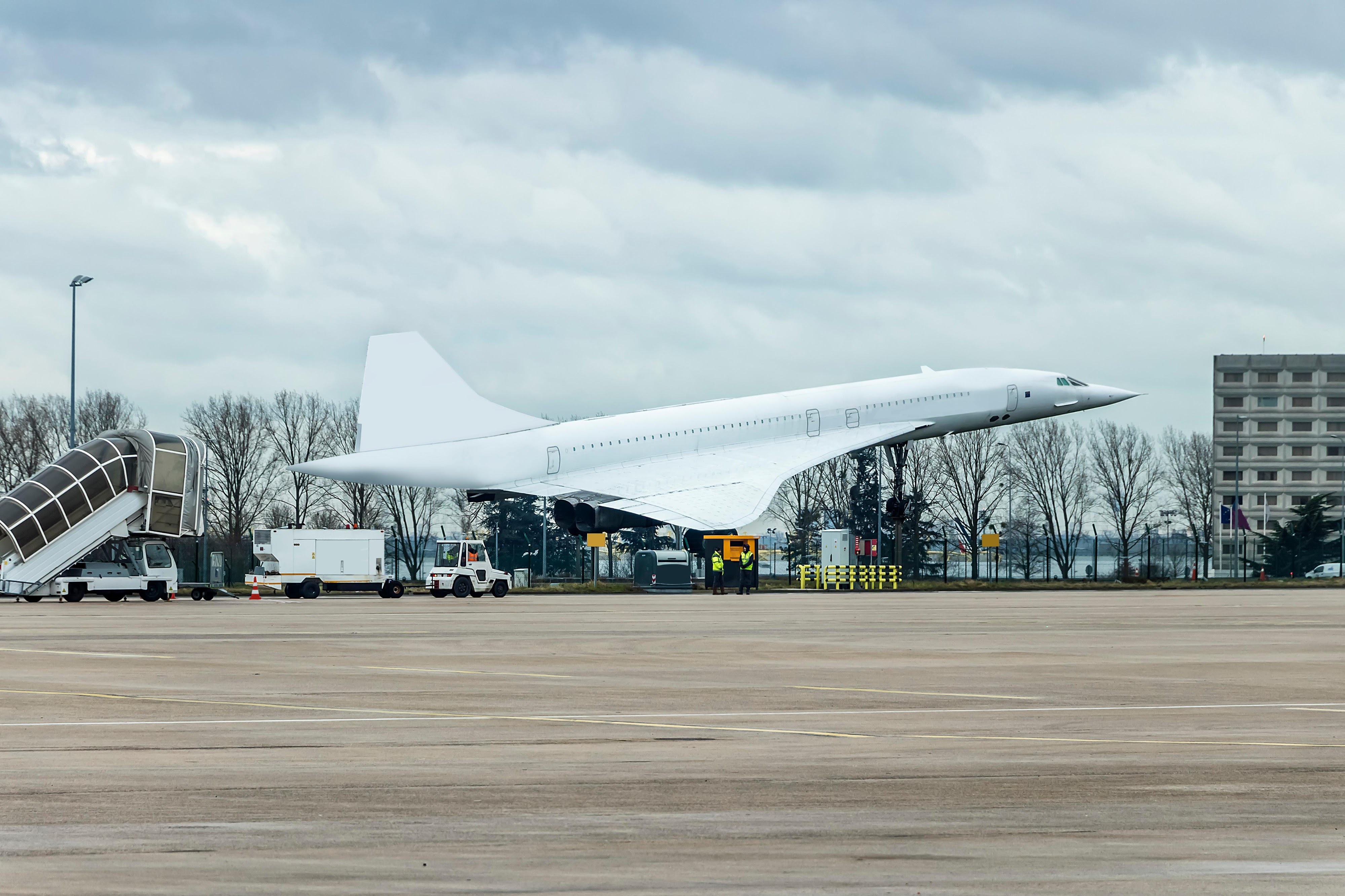
Concorde's Time Warp: The legendary Concorde was so fast that on certain transatlantic routes, it arrived at its destination earlier than the time it departed. For example, a flight leaving London Heathrow (LHR) at 10:30 AM could arrive in New York (JFK) at 9:20 AM local time, effectively reaching the U.S. before it left the UK due to the time zone difference.
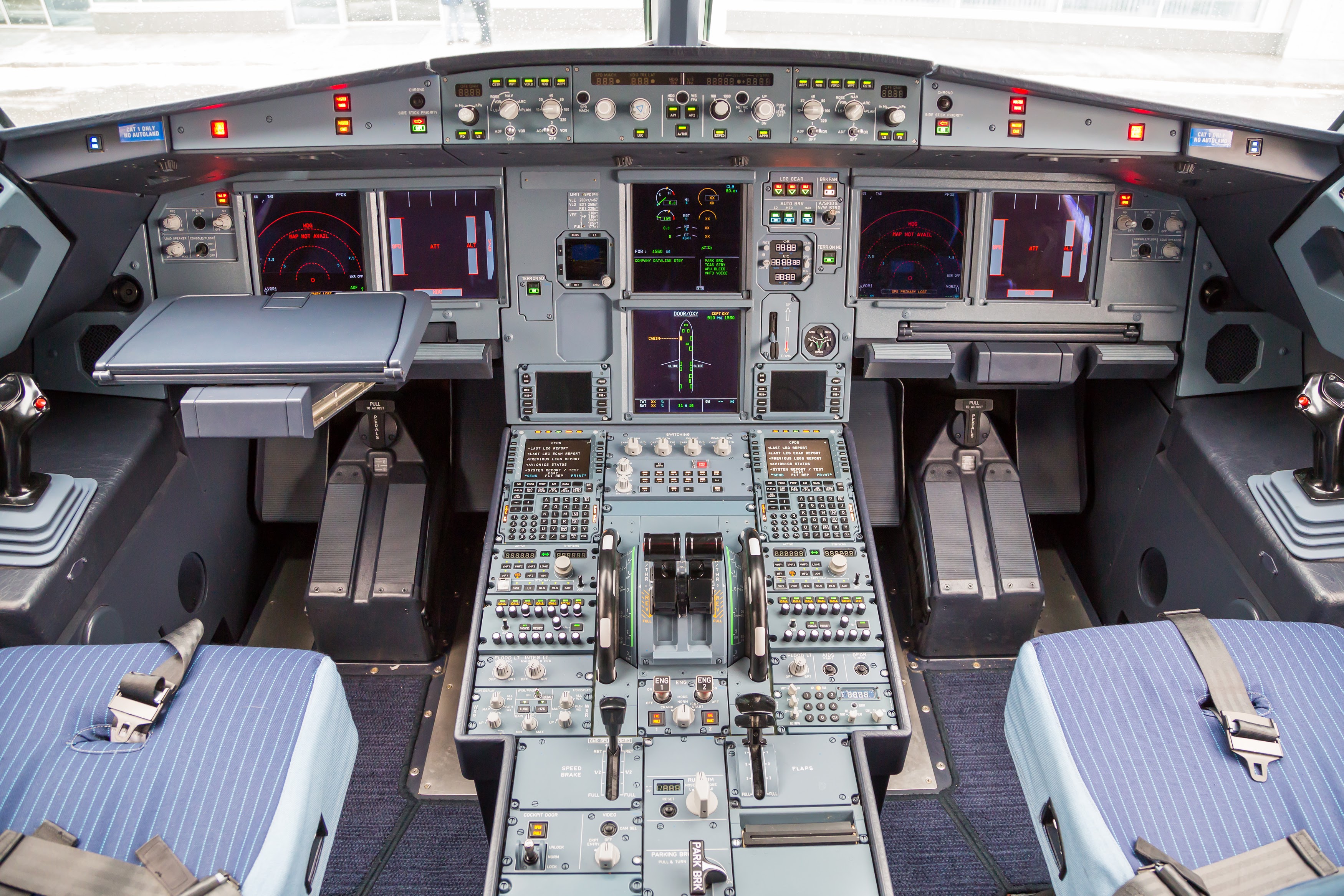
Airbus Fly-by-Wire: Airbus pioneered the use of a fully digital fly-by-wire flight control system in a commercial airliner with the A320, replacing traditional mechanical cables with electronic signals and a standardized "sidestick" control.
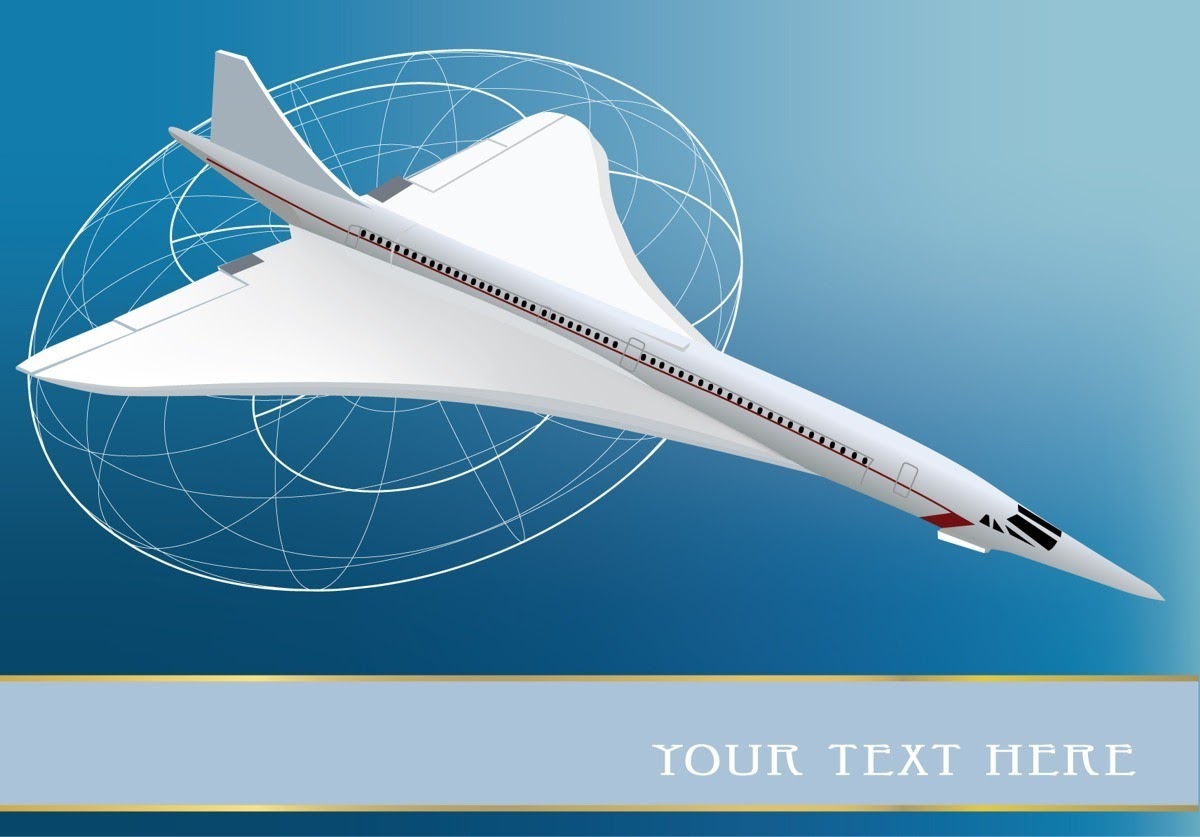
Concorde's Stretch & Speed: When the Concorde flew from Paris to New York (~5,580 km), it completed the journey in about 3.5 hours. The heat generated from air friction at Mach 2 caused its fuselage to heat up and actually stretch by up to 12 inches (30 cm).
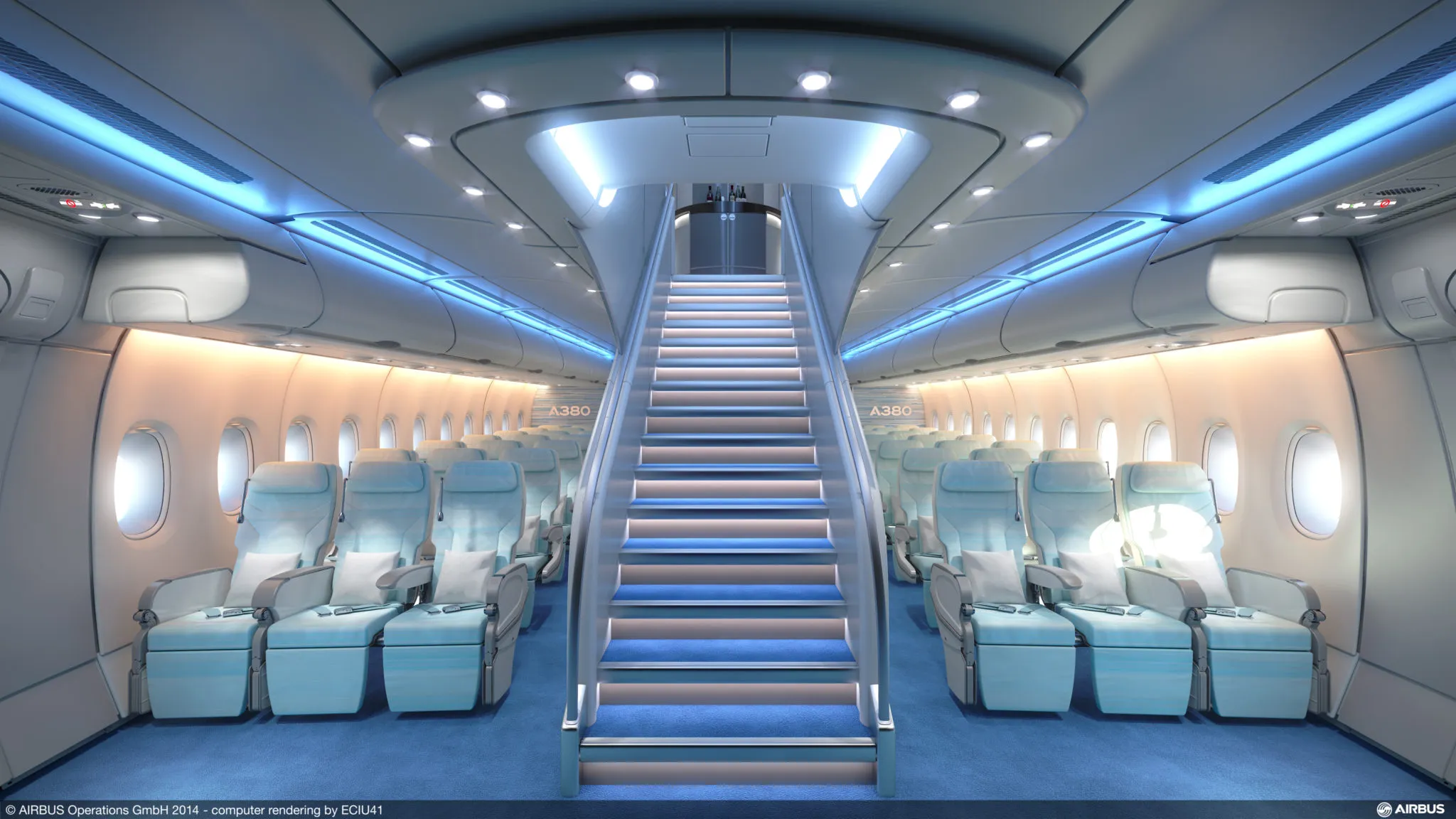
Airbus A380 Capacity: The A380, the world's largest passenger jet, has a maximum certified capacity for 853 passengers (all-economy), though most airlines configure it for about 500–550 for maximum luxury and comfort.
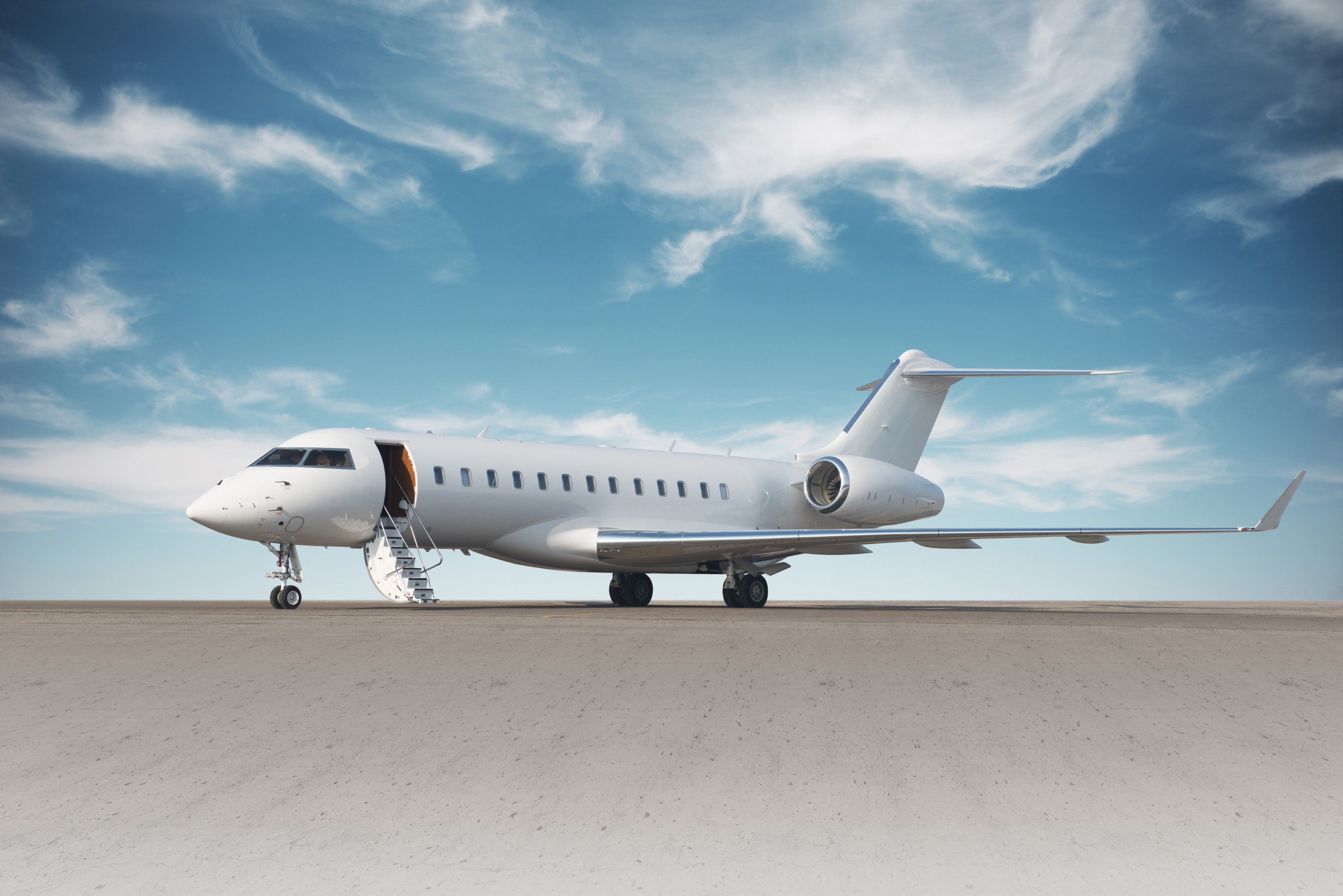
Bombardier's Supersonic Successor: The Bombardier Global 8000 business jet is marketed as the fastest civilian aircraft since the Concorde, capable of reaching Mach 0.94. On a route like New York to Dubai (~11,000 km), this speed cuts flight time by nearly an hour.
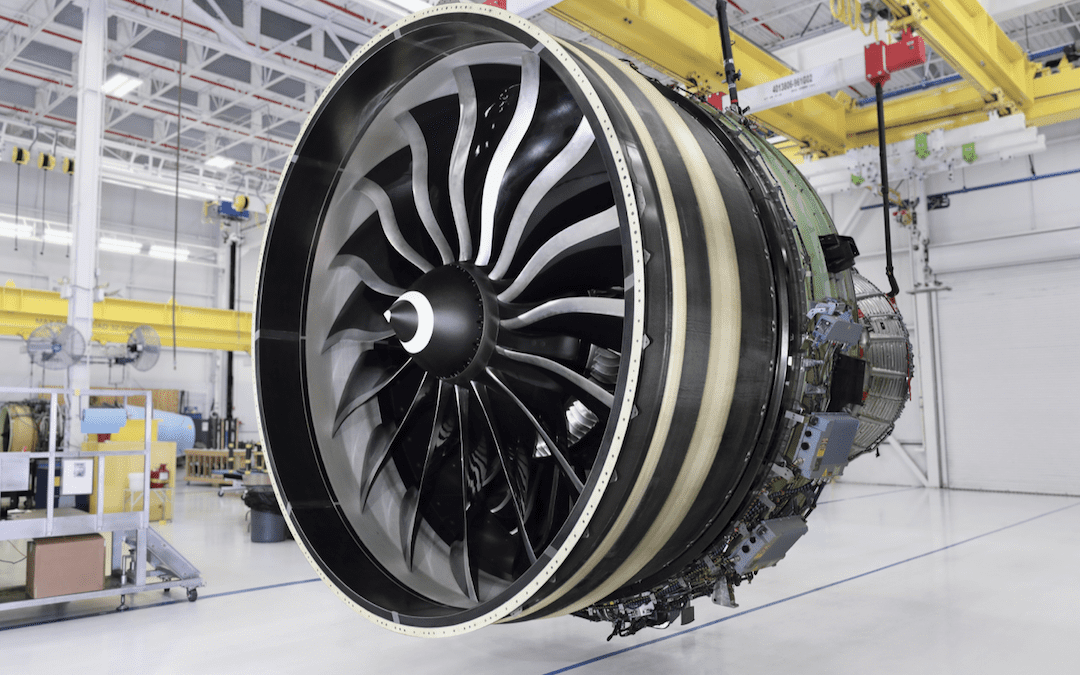
Boeing 777X's Massive Engines: The GE9X engines on the newest Boeing 777X are enormous: 443 cm (174 in) in diameter, nearly as wide as the fuselage of the older 737. The 777X fuselage is 76.7 meters long.
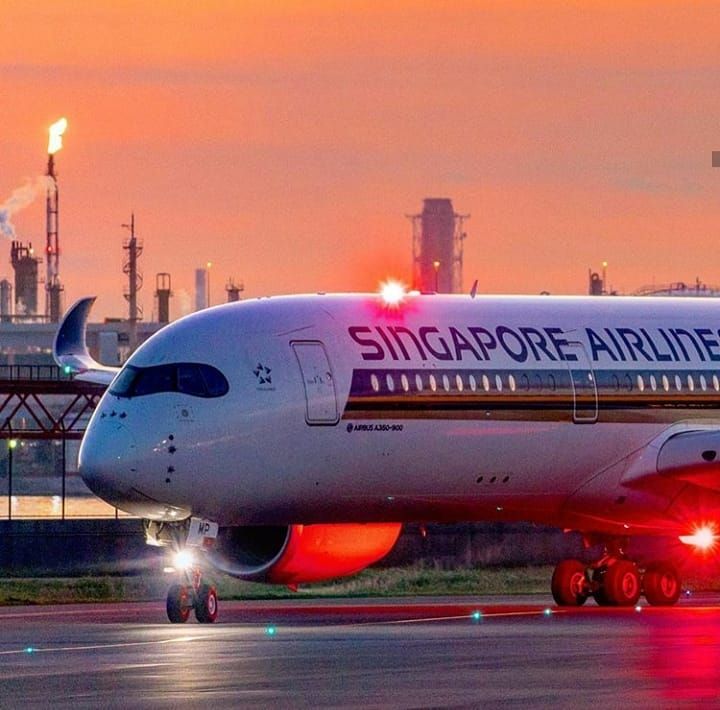
Airbus A350-900ULR's Range: The A350-900ULR holds the record for the world's longest commercial flight, capable of flying Singapore to New York (~15,300 km) non-stop, thanks to modifications like increased fuel capacity.
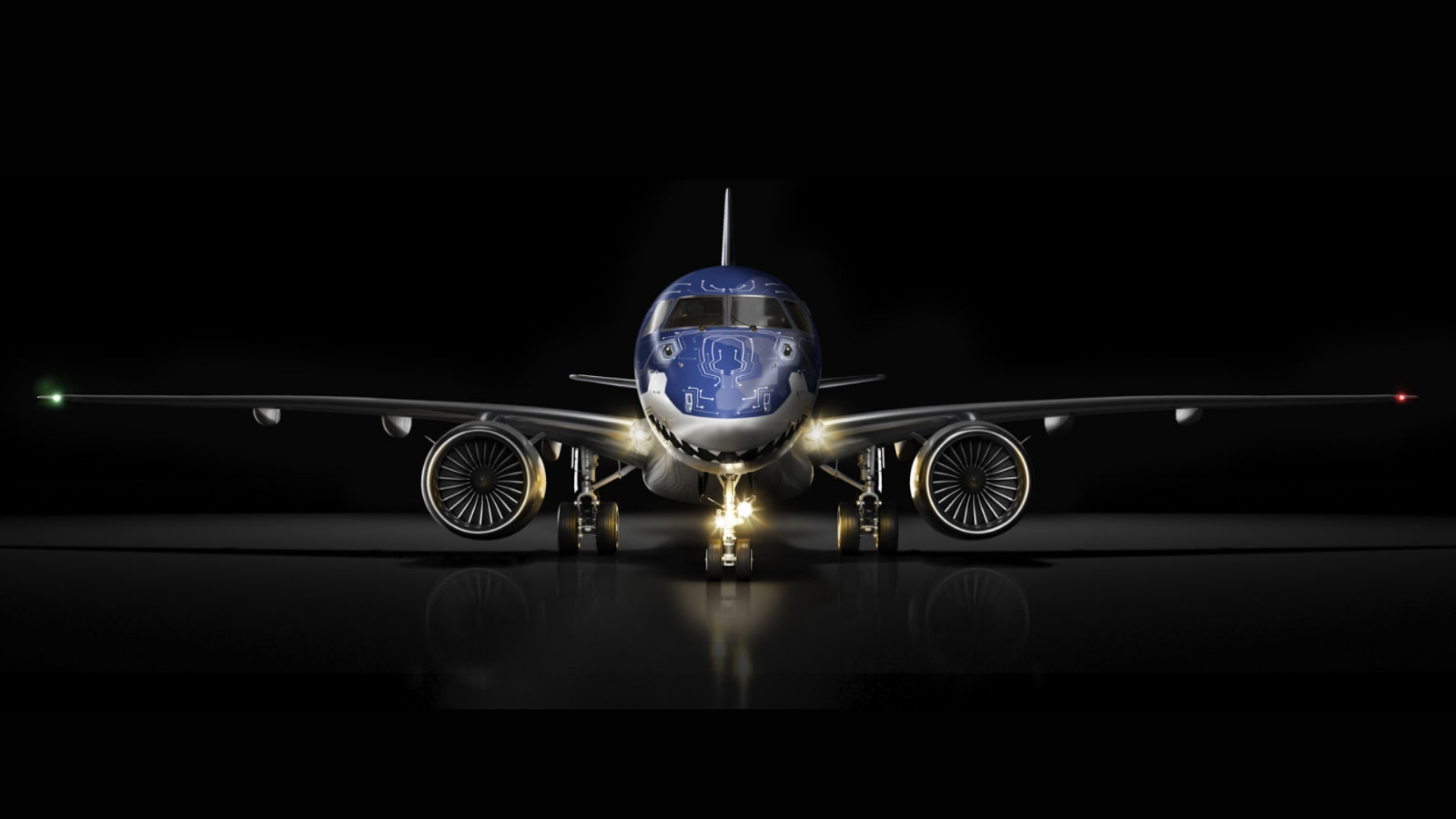
Embraer's Niche: Brazilian manufacturer Embraer dominates regional jets, with its E-Jet family focusing on 70–150 seats—a sweet spot often avoided by Airbus and Boeing.
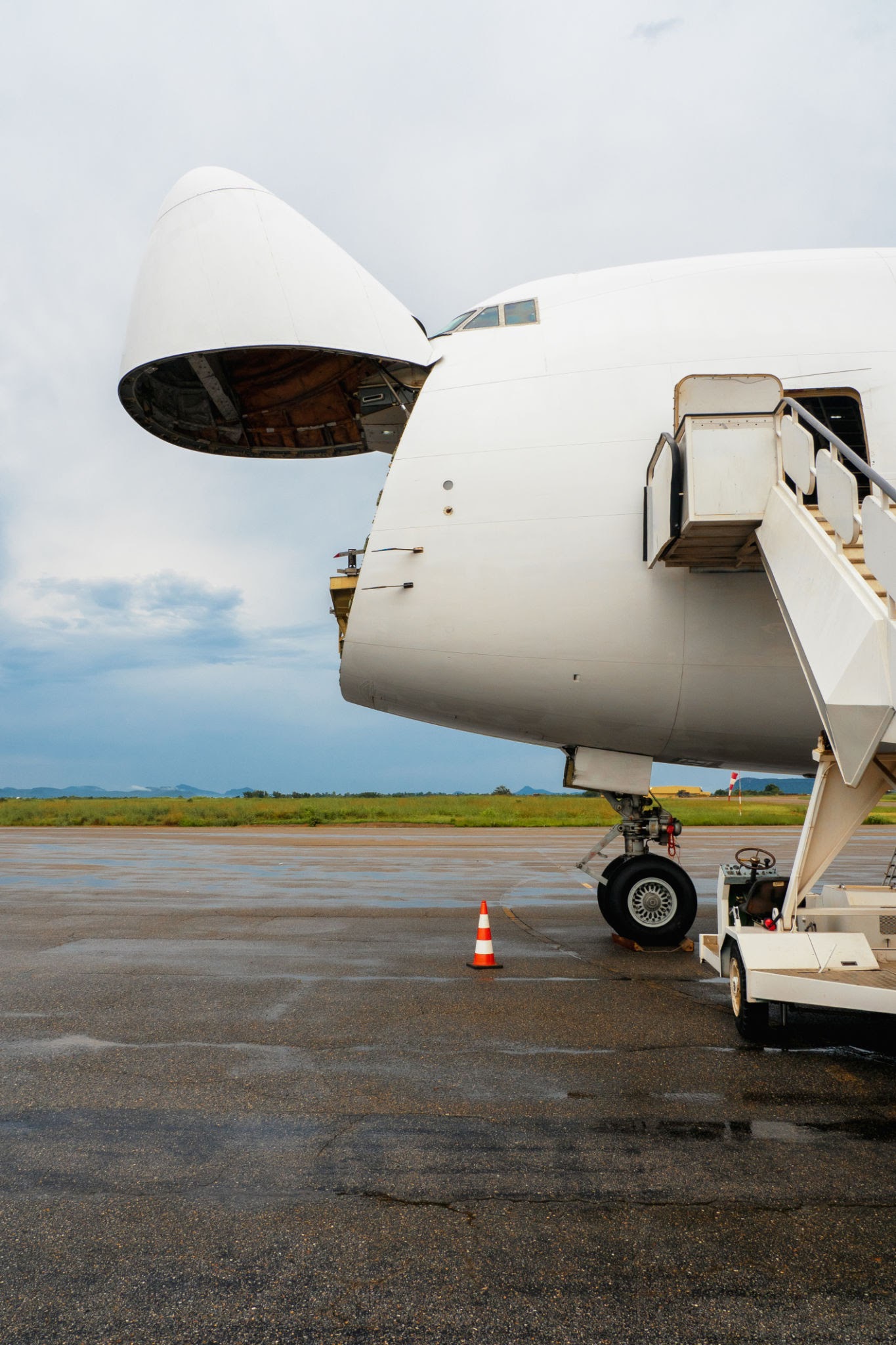
Boeing 747's Nose: The iconic "hump" of the 747 was designed so the plane could be converted to a freighter after passenger service, with the cockpit above to allow the entire nose to swing open for cargo.
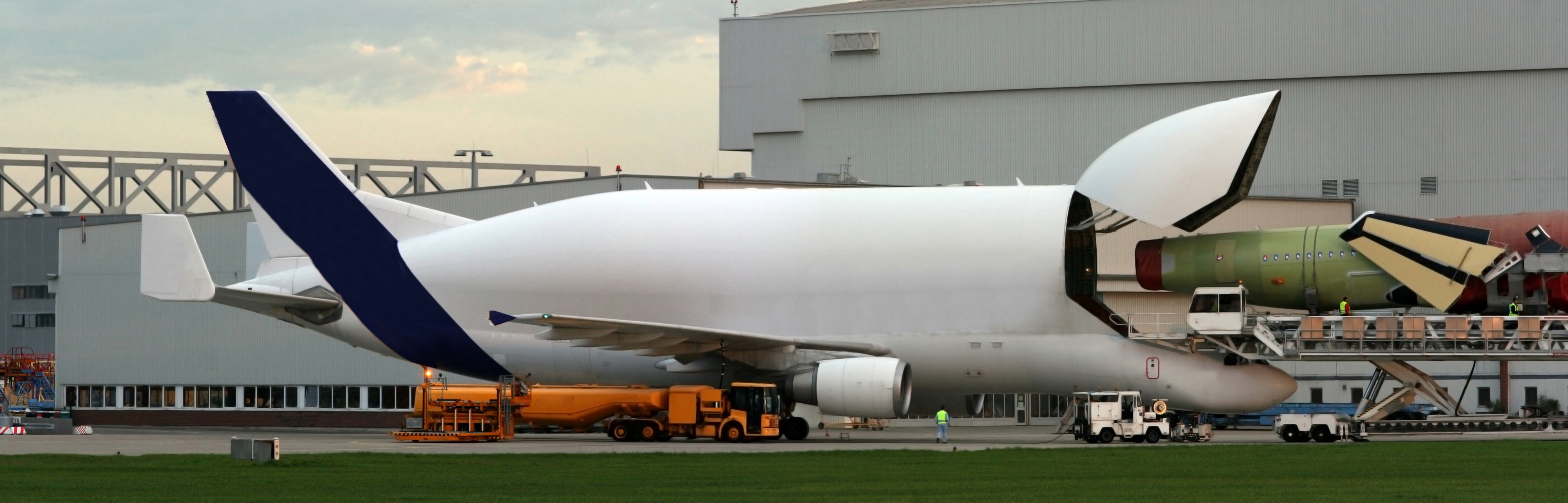
The A300's European Origin: The Airbus A300 was the first twin-engine wide-body jet, constructed through a pan-European effort with sections flown between factories by the Super Guppy and later Beluga.
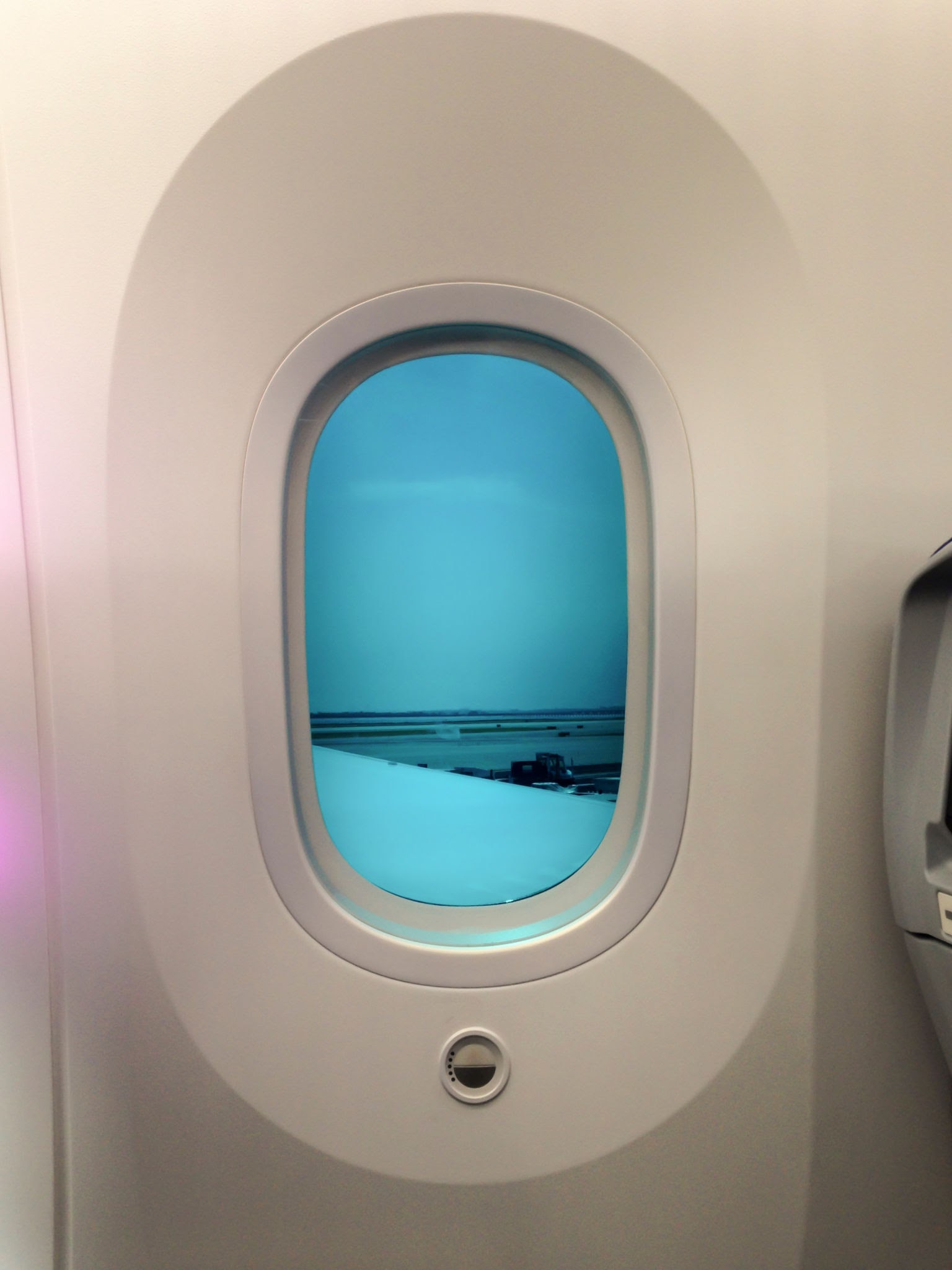
Boeing 787's Windows: The Dreamliner's large windows are electronically dimmable via passenger-controlled switch, using an electrochromic gel instead of a physical shade.
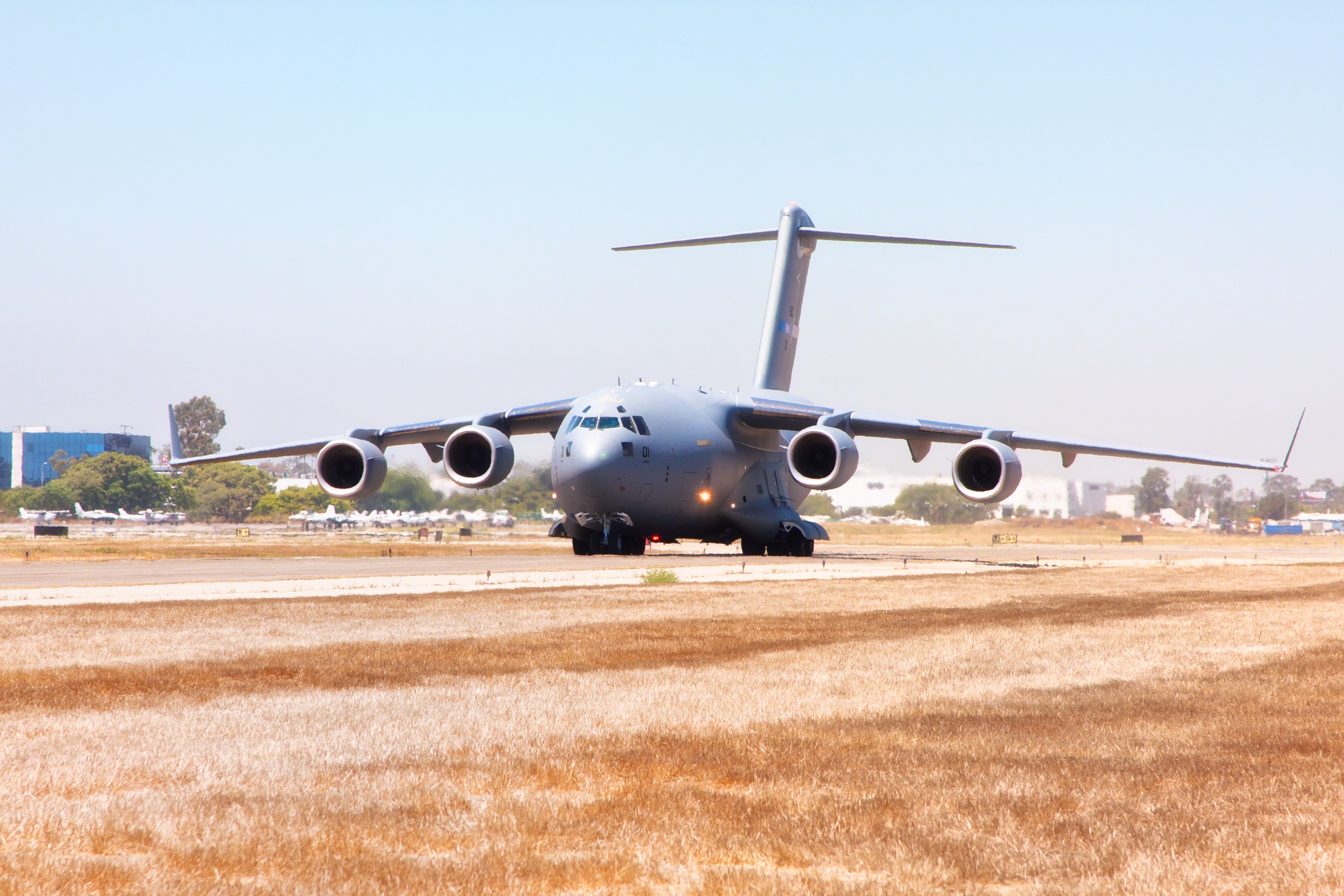
The Globemaster's Versatility (Boeing): The C-17 Globemaster III is a military transport with massive lifting capability and reverse thrust, allowing it to land on short, unpaved runways while carrying heavy cargo like main battle tanks.