⚙️ The Boeing Company: An Overview
Founded by William E. Boeing in Seattle in 1916, The Boeing Company
evolved from building seaplanes into
one of the world's largest
aerospace and defense corporations, now headquartered in Chicago.
Early success came from military contracts during World War I
and pioneering commercial designs like the Boeing 247 in the 1930s.
This early foundation established Boeing as a critical force in
aviation,
poised to become a global leader in both commercial
and military sectors.
🚀 Defining the Jet Age and Beyond
Boeing became a vital military contractor during World War II,
producing bombers like the B-17 and B-29.
Post-war, the company
defined the Jet Age by introducing the iconic 707 in the late 1950s,
setting the standard for long-range jet travel. This success was
followed by the revolutionary 747 "Jumbo Jet" in 1969
and the
establishment of the versatile 737, 757, and 767 families.
Concurrently, Boeing contributed significantly to space
programs,
including the Saturn V rocket, cementing its dual
dominance in air and space.
🌐 The Modern Era and Global Impact
Since the 1990s, Boeing has continued to innovate, merging with
McDonnell Douglas in 1997
and introducing advanced jets like the
777 (1995) and the composite-material 787 Dreamliner (2011).
Today, with over 16,000 commercial aircraft delivered and
approximately 141,000 employees globally,
Boeing remains a top
supplier to airlines and a major military contractor.
Despite
facing recent challenges, the company's legacy is defined by its role
as one of the most influential
and enduring aerospace firms,
constantly pushing the boundaries of flight technology.
Boeing 737 Family
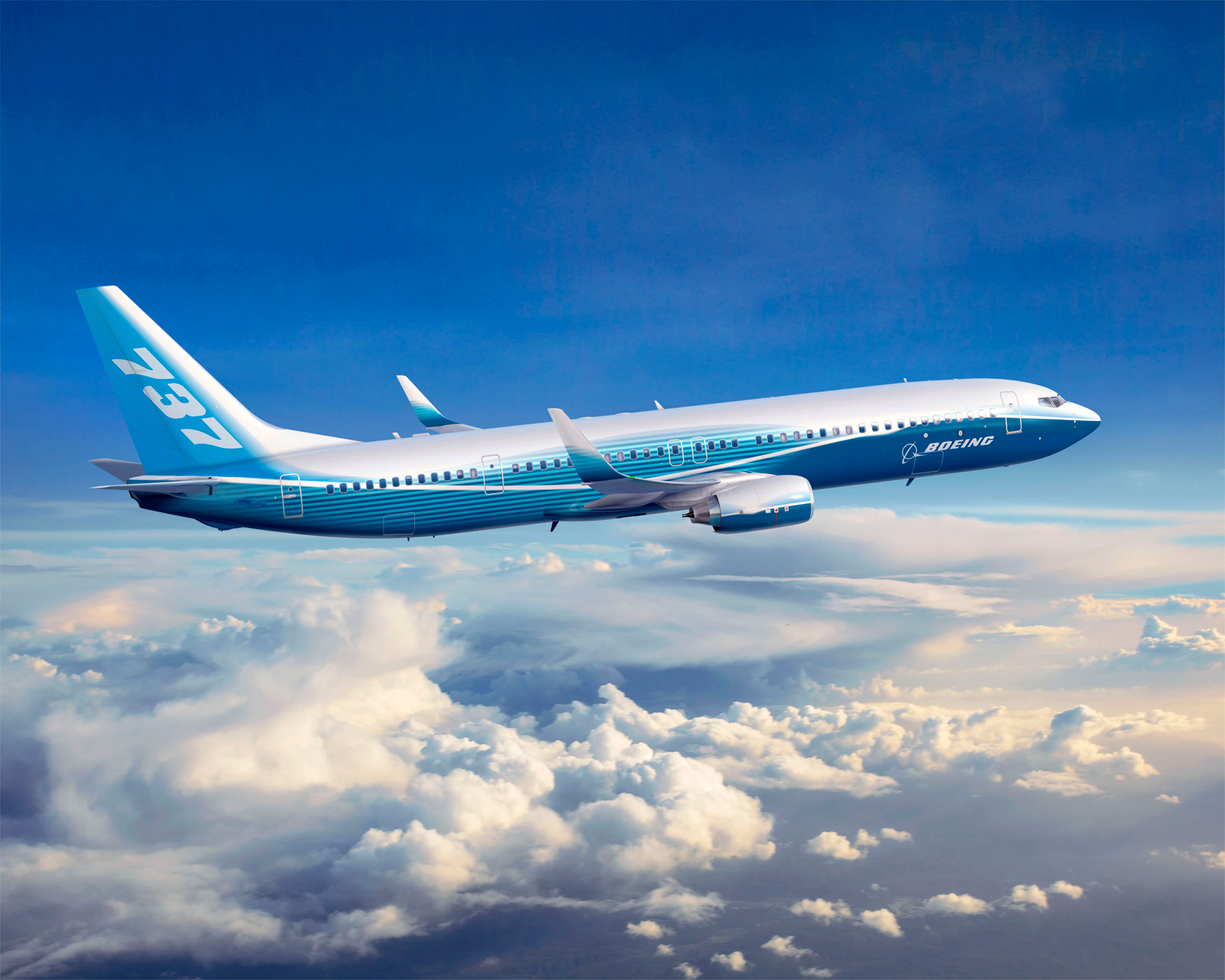
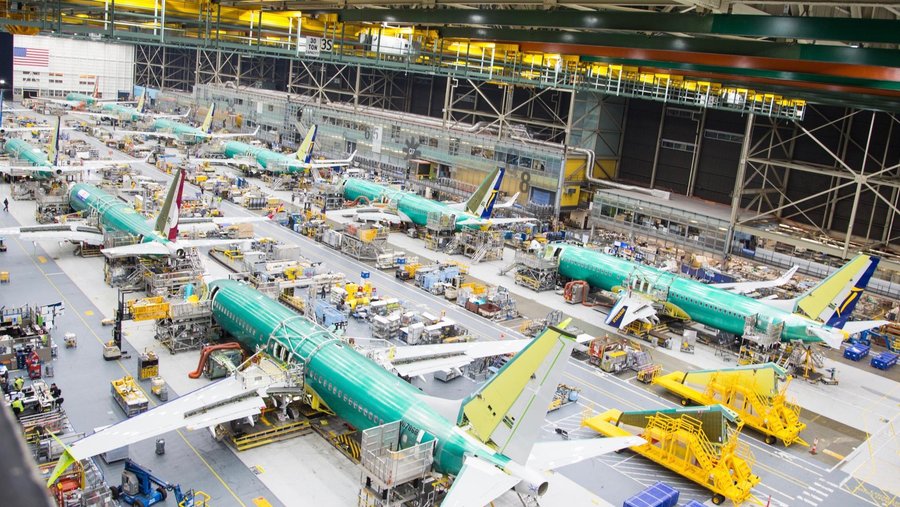
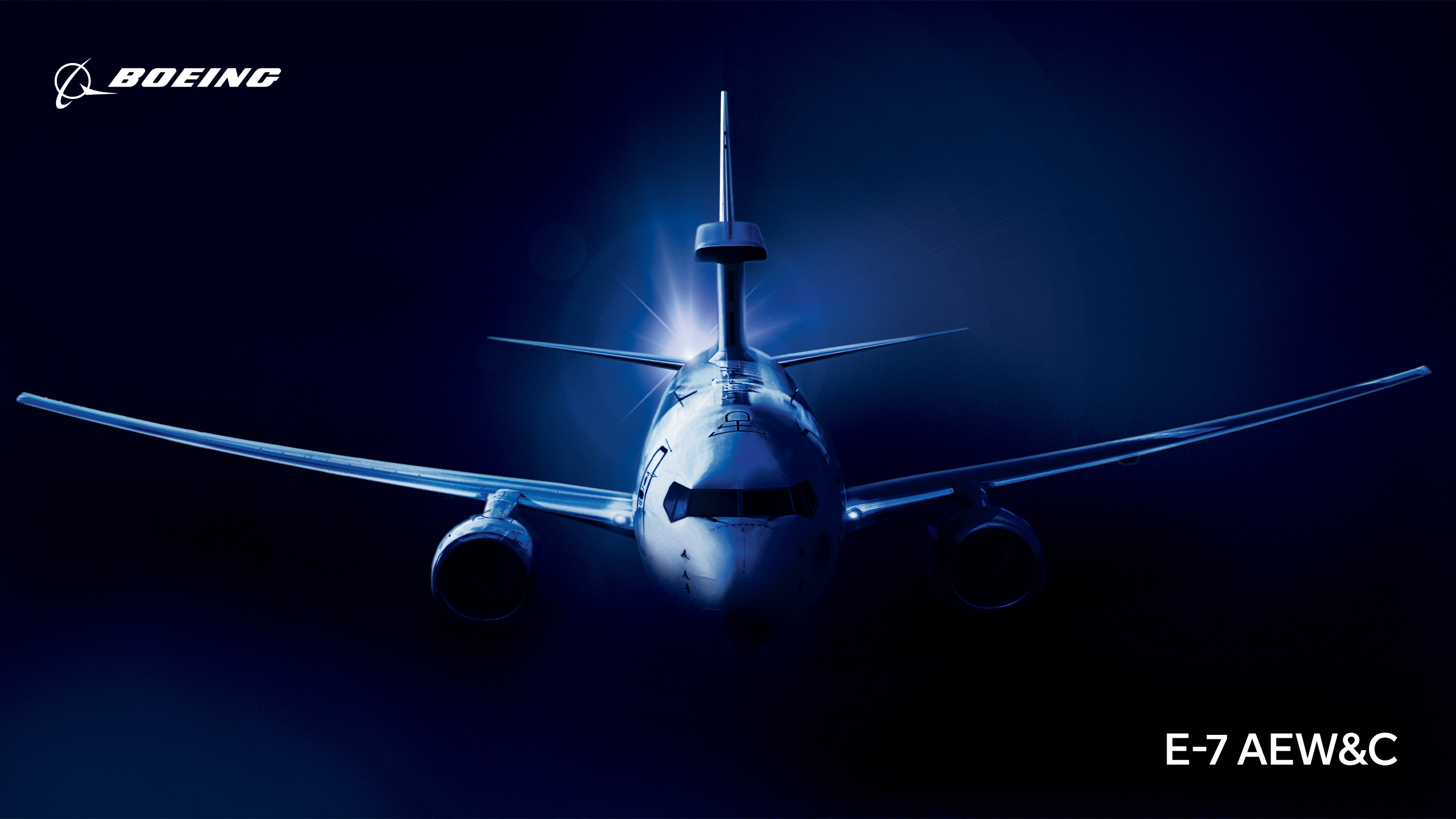

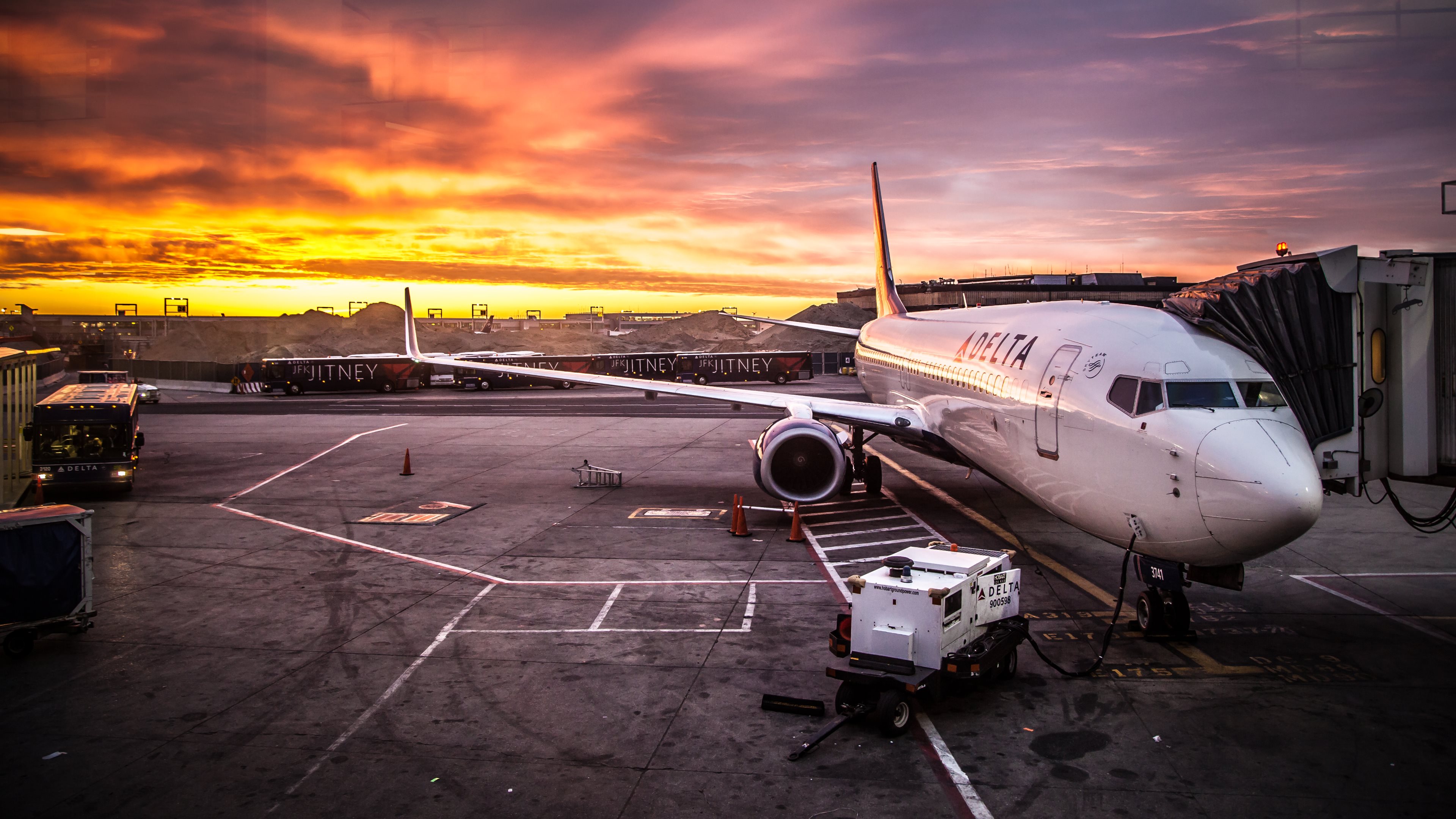
The Boeing 737 is a legendary narrow-body workhorse that has defined
short- to medium-haul air travel since its initial version entered
service in the late 1960s.
Historically the best-selling
commercial jetliner family, the 737's success is staggering; over
11,965 jets have been delivered across all generations, making it
the most popular commercial passenger aircraft in history.
Serving as the backbone for airlines globally on
high-frequency domestic and regional routes, the family has evolved
through four main generations: the original, Classic, Next
Generation (NG), and the latest MAX series.
The MAX series,
which has accrued over 13,000 orders for its variants alone,
represents the most significant modernization,
boosting fuel
efficiency and range to keep the jet competitive.
With a
combined total of thousands of jets delivered—for example, the
737-800 NG variant alone accounted for over 5,000 deliveries— Boeing
has built a veritable mountain of these reliable jets, spanning
decades of air travel and underscoring its unmatched role in
connecting the world.
Queen of the Skies (The Boeing 747)
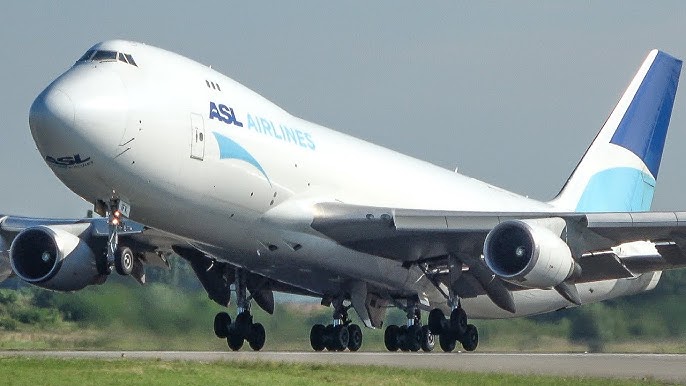
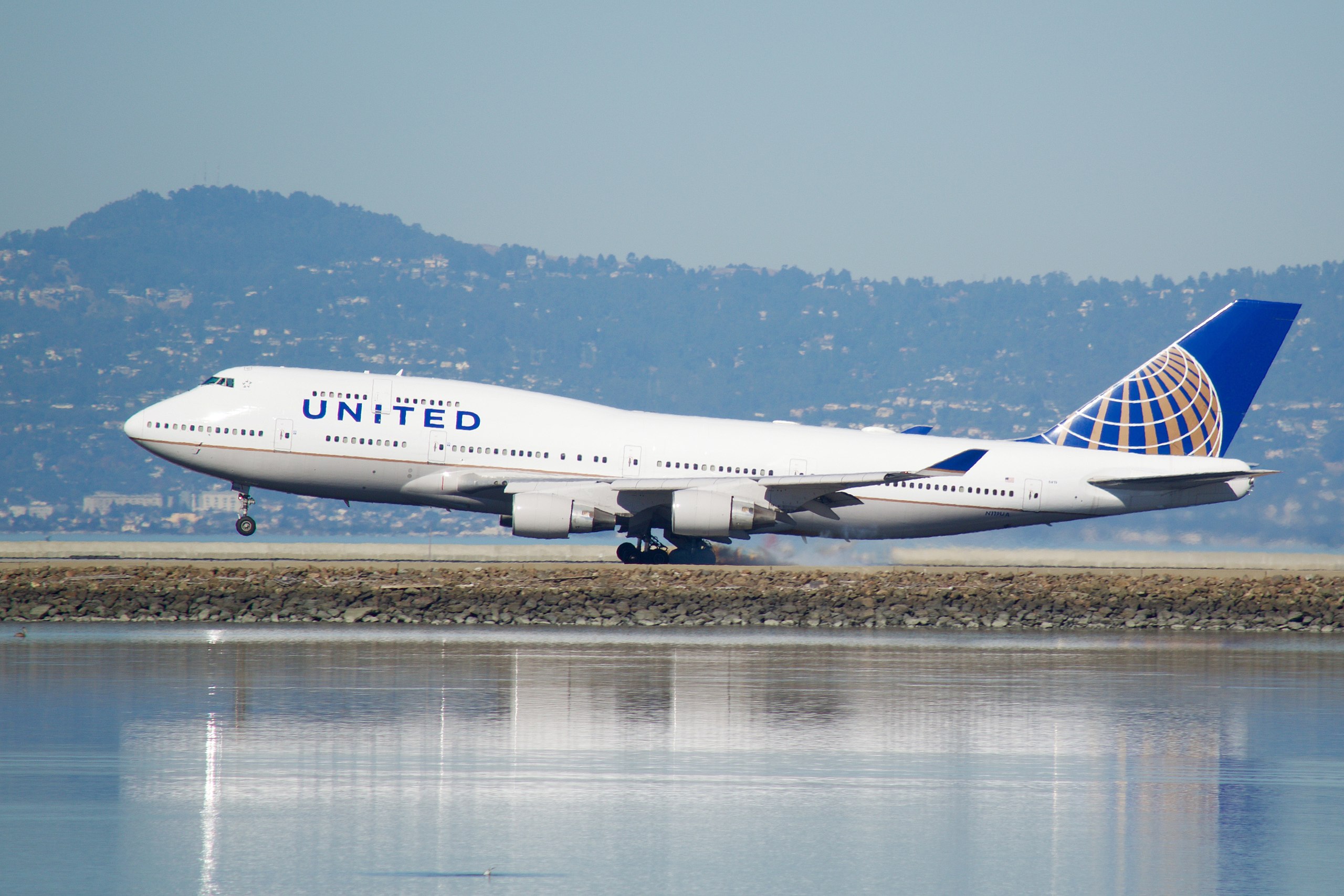
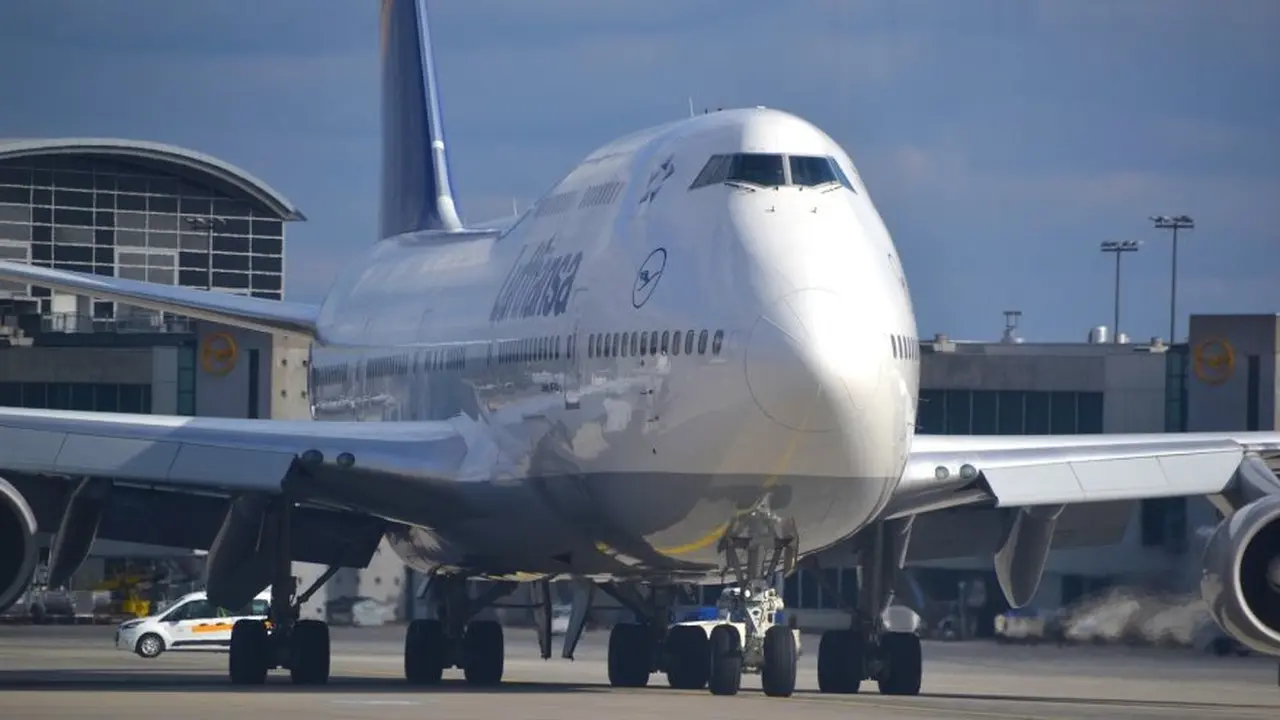
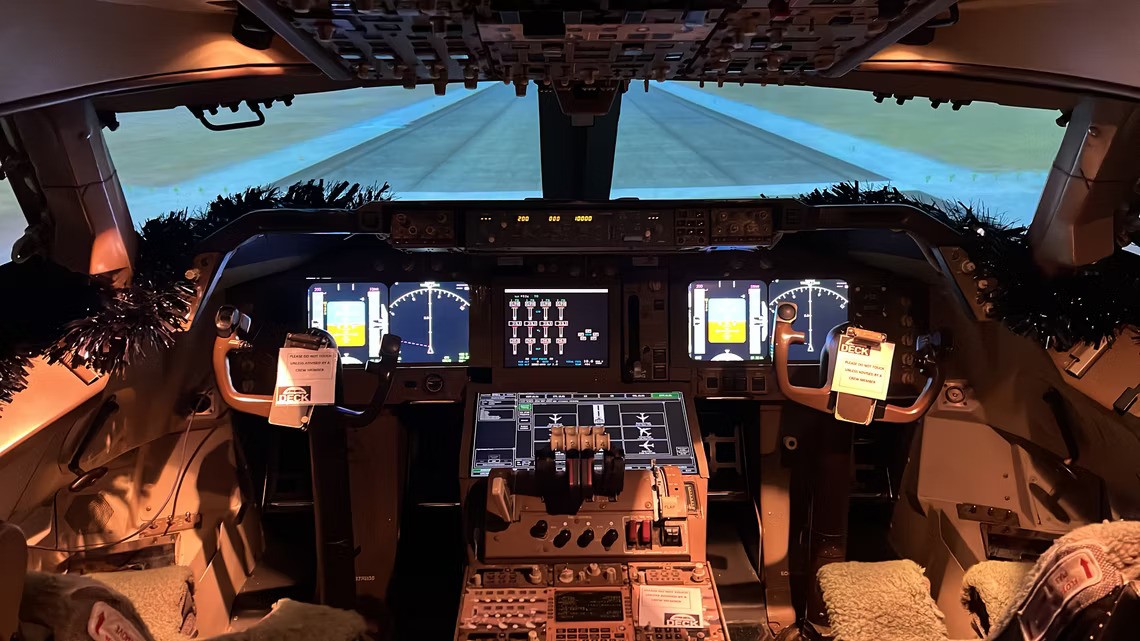
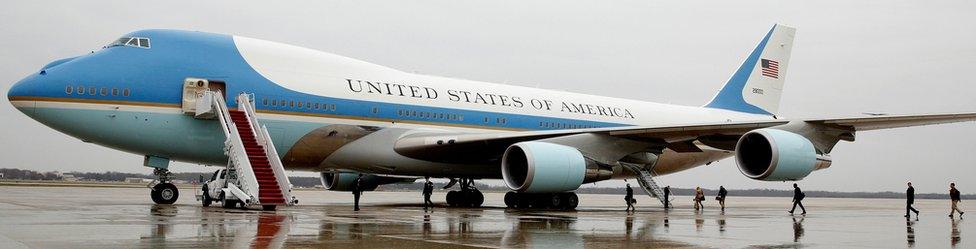
The Boeing 747 is aviation's most iconic "jumbo-jet," famous for
ushering in the era of wide-body, long-haul mass
transport
when it first flew in 1969. Often referred to as the "Queen of the
Skies," the 747 is instantly recognizable by
its distinctive
upper-deck hump, which, on the original models, was often used as a
lounge or first-class cabin.
Functionally, it was the
skyscraper of the skies—built to carry hundreds of people across
oceans on intercontinental
routes with immense efficiency for
its time. Over a remarkable 54-year production run, a total of 1,574
Boeing 747
airplanes were delivered before production
concluded in early 2023. While the passenger fleet is rapidly
retiring, its
robust airframe and high payload capacity ensure
that the 747 remains a vital global workhorse, continuing its
service
around the world as a critical freighter and special
mission aircraft.
Boeing 757 Family
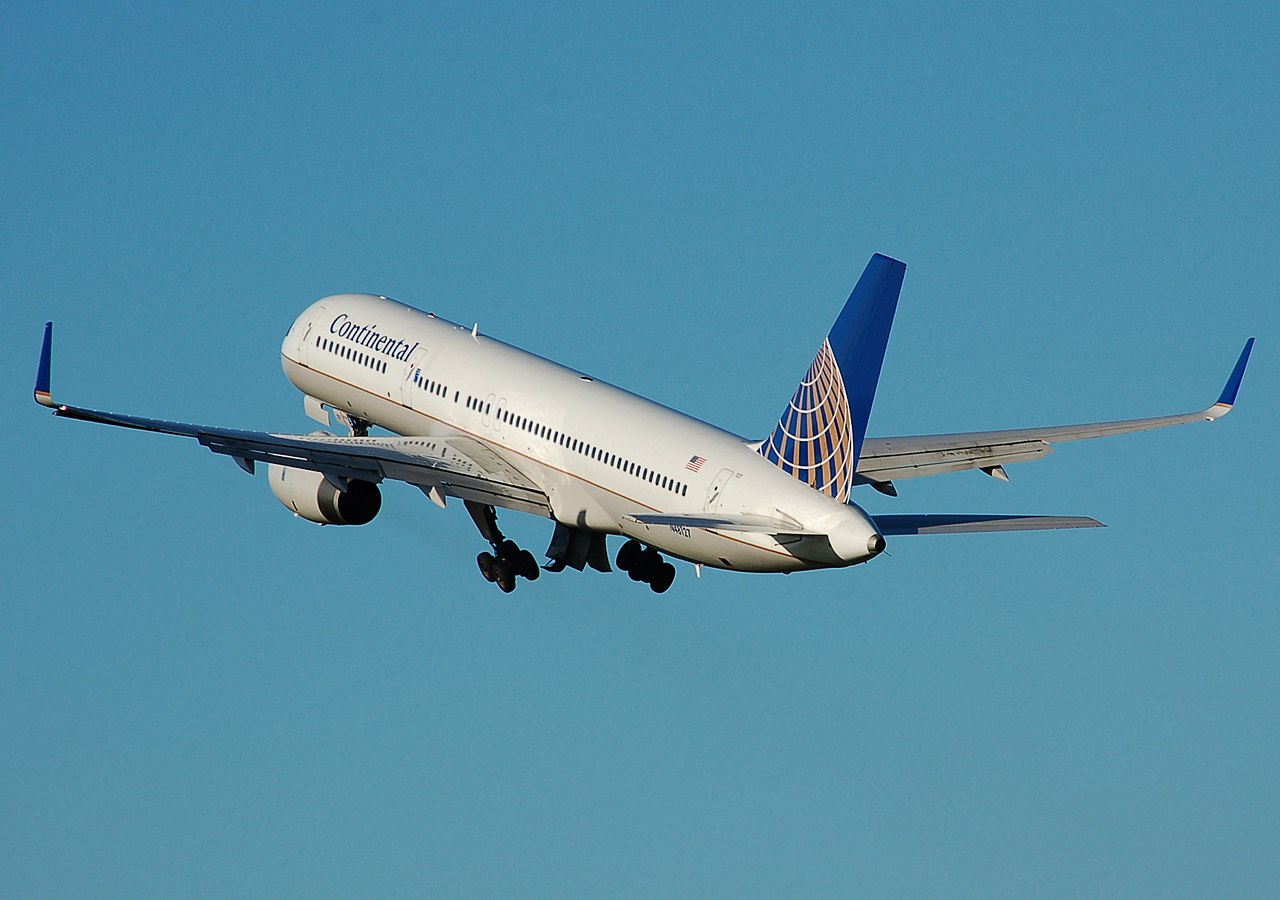
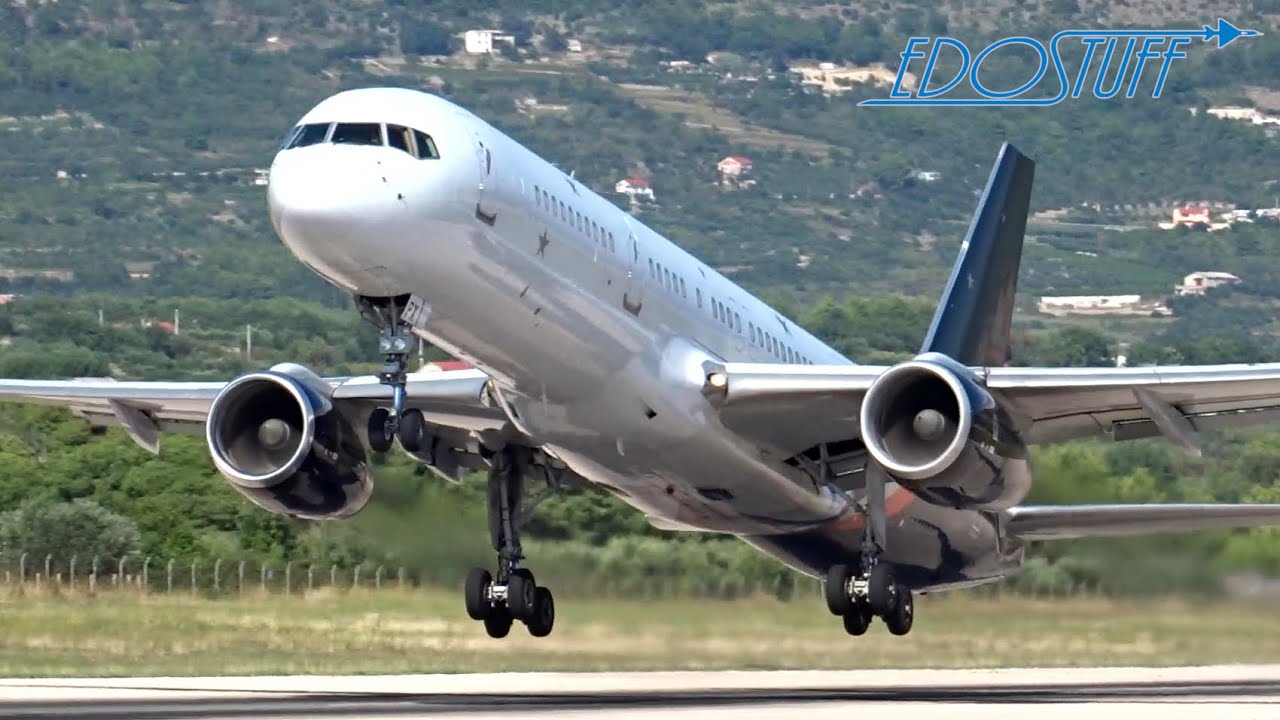
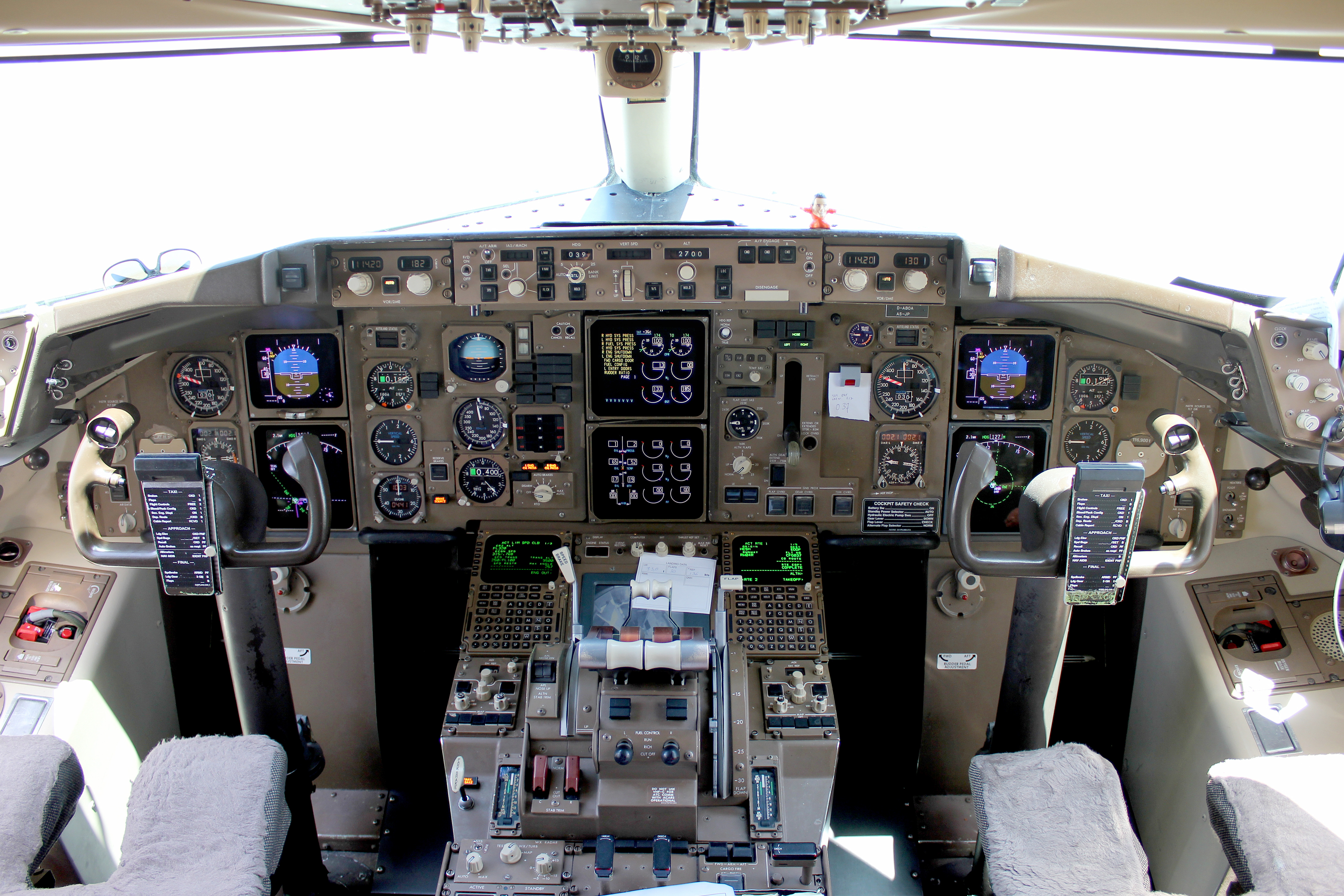
The Boeing 757 is a unique and high-performing narrow-body twinjet
that carved out a crucial niche after its introduction
in the
early 1980s. Effectively bridging the gap between the smaller 737
and the larger wide-body aircraft, the 757
was renowned for
its powerful performance, especially its impressive take-off
capabilities, which allowed it to
operate efficiently from
short runways or high-altitude airports. It quickly became the
high-performance sedan of the
skies, capable of comfortably
flying transcontinental U.S. routes and, significantly,
transatlantic routes (E.g., North America to Europe) that did not
require the full capacity of a jumbo jet but still demanded range
and capacity.
Though production ended in 2004, its robust
design and strong performance ensure that many remain active in
passenger service and, increasingly, have been converted into
indispensable cargo aircraft, maintaining the 757's crucial role in
global logistics.
Boeing 767 Family
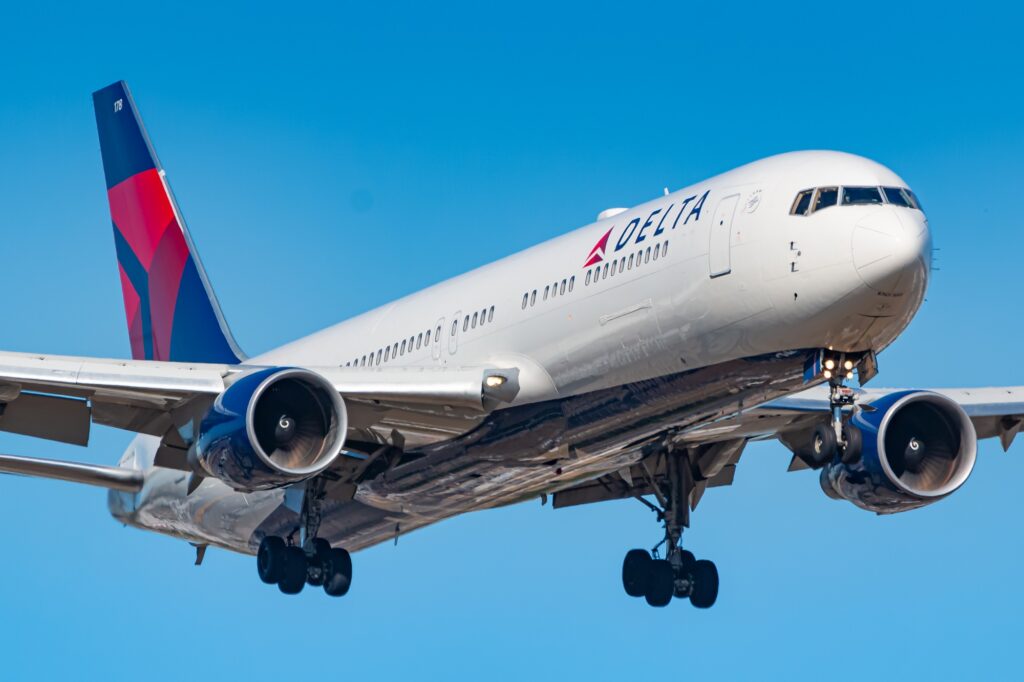
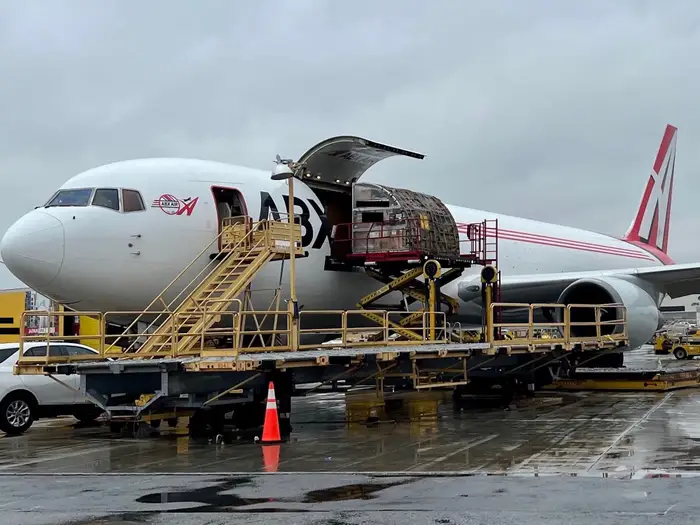
The Boeing 767 is a foundational wide-body twin-engine jet,
introduced in the early 1980s, that revolutionized medium- to
long-haul trans-oceanic travel. Designed to fill a market segment
below the 747, the 767 was instrumental in proving the efficiency
and reliability of twin-engine operation for extended-range
overwater flights, especially across the Atlantic.
It quickly
became the reliable bridge between single-aisle jets and the giant
jumbos, capable of carrying hundreds of passengers across continents
without the grandeur or operational costs of larger four-engine
aircraft.
Its efficiency and durable design have ensured its
longevity; as of late 2024, approximately 1,321 aircraft across the
family have been delivered, with total orders exceeding 1,400,
including significant demand for its versatile freighter and
military tanker derivatives (like the KC-46 Pegasus). This
consistent demand underscores the 767’s enduring role as a global
workhorse for medium-sized, long-haul markets.
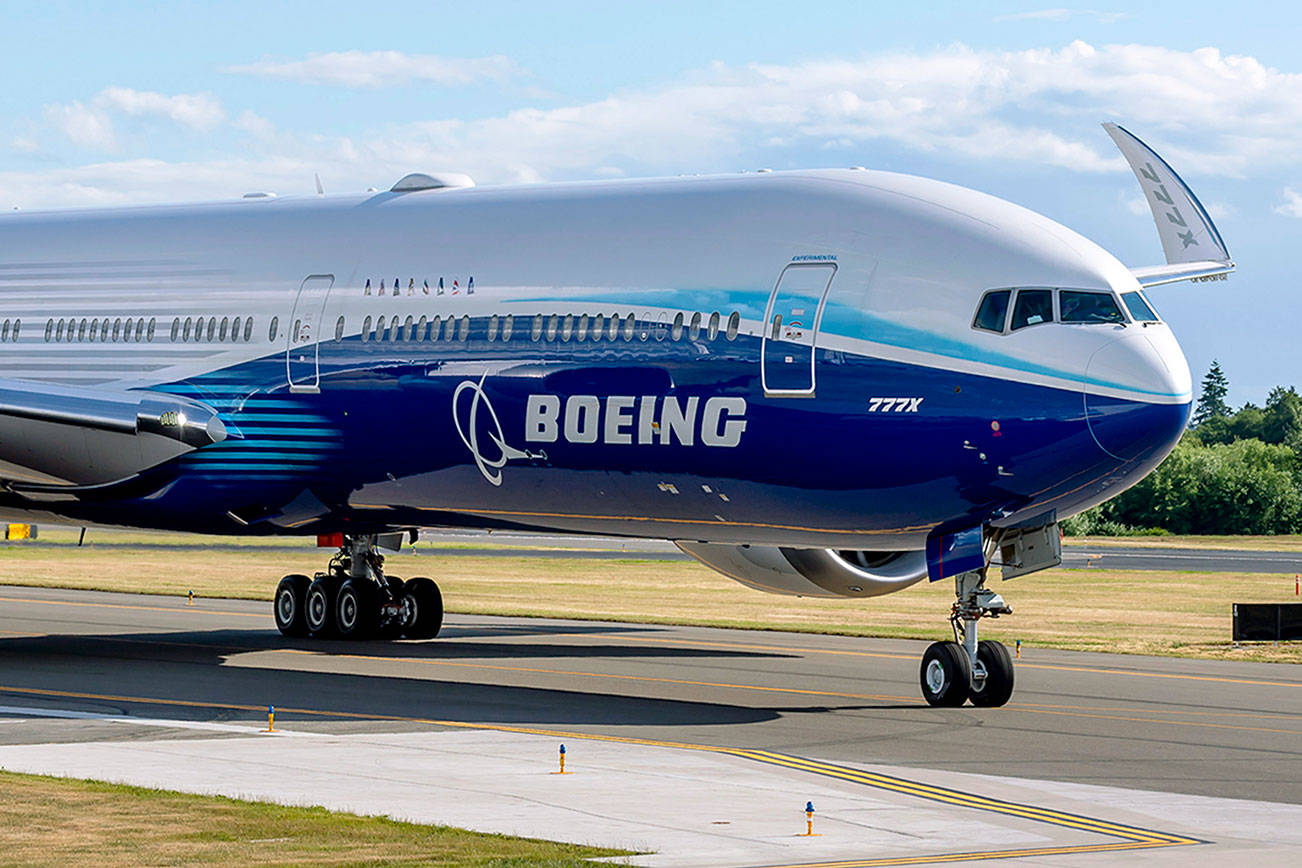
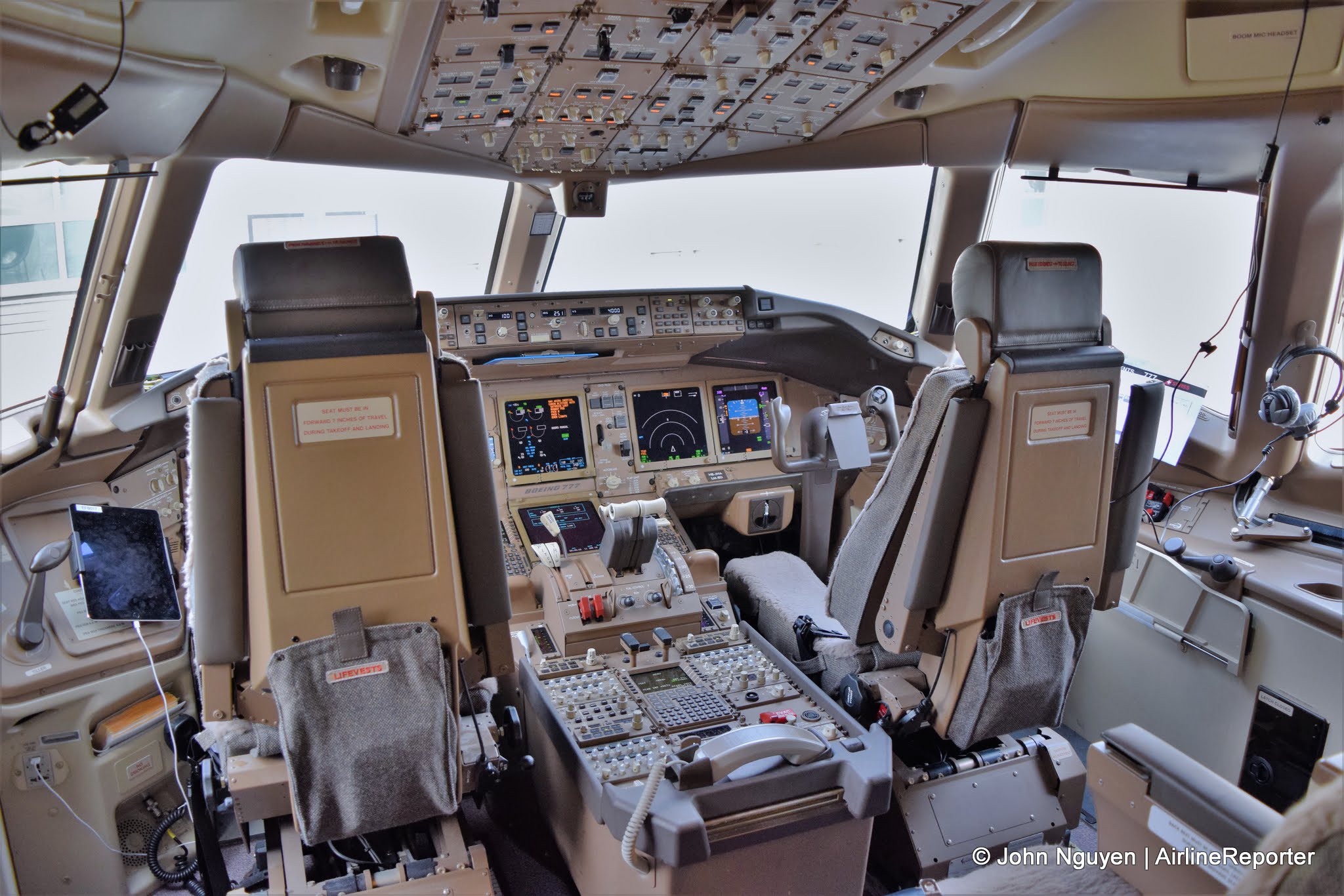
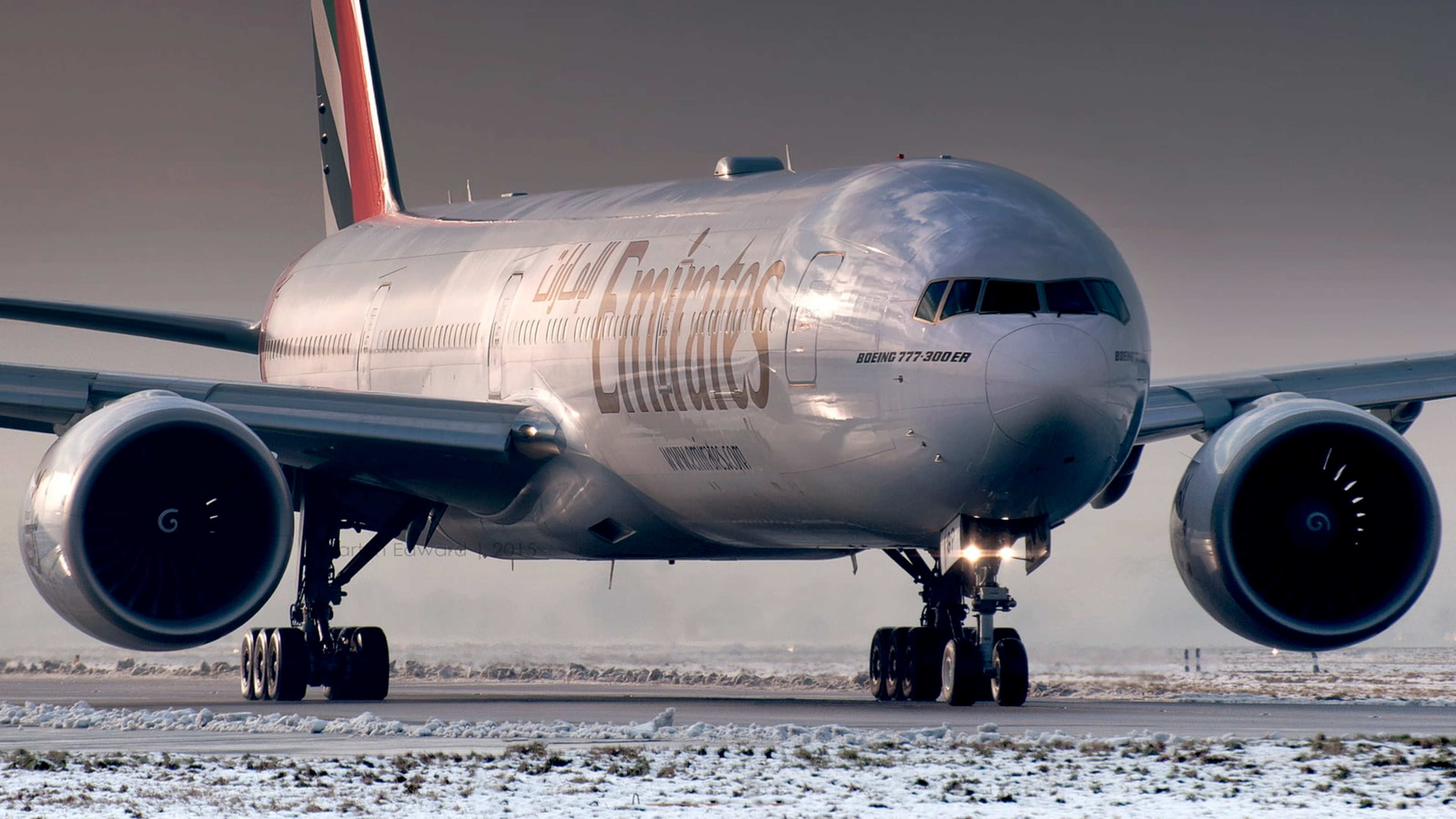
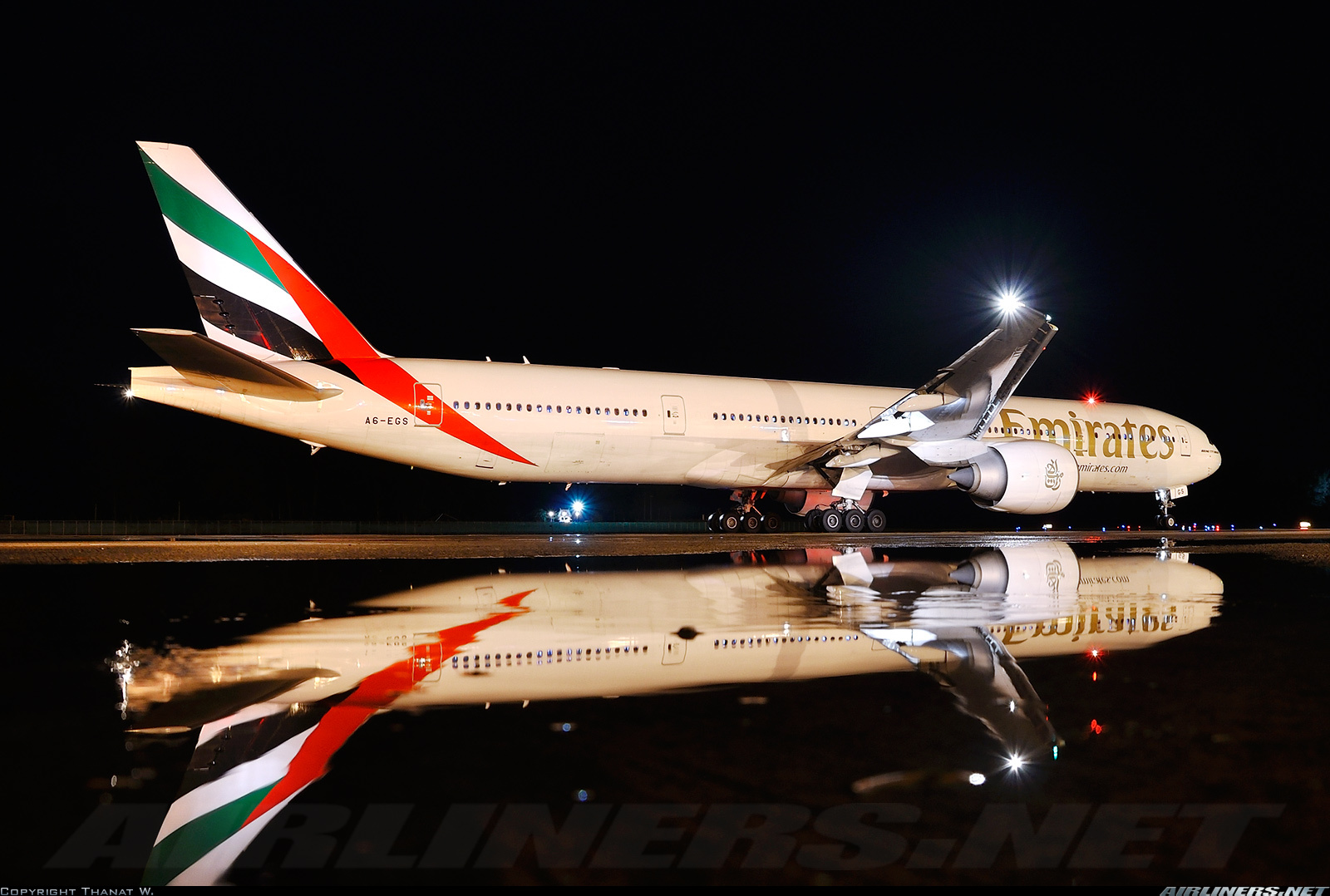
Boeing 777 family and the forthcoming 777X
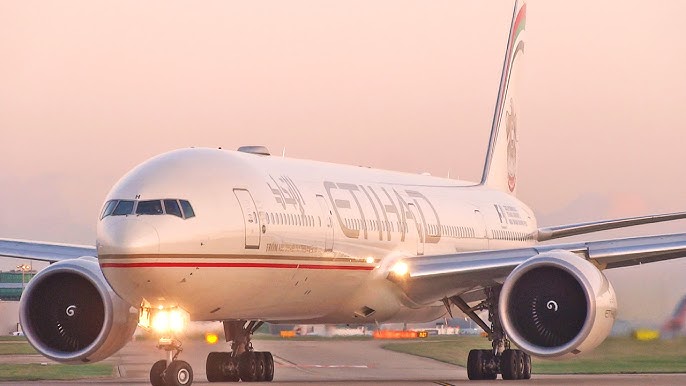

The Boeing 787 Dreamliner is a revolutionary wide-body, twin-engine jet airliner that redefined long-haul travel upon its entry into service in 2011. This aircraft is a triumph of modern engineering, being the first major airliner with an airframe made primarily of composite materials (specifically, 50% carbon fiber reinforced polymers), which significantly reduces weight and contributes to its exceptional fuel efficiency—up to 25% less fuel burn compared to the older aircraft it replaces. Designed for the "point-to-point" market, the 787 comes in three variants (-8, -9, and -10), enabling airlines to open new, nonstop routes across continents with medium-sized capacity. For passengers, the Dreamliner experience is distinguished by a quieter cabin, a lower simulated altitude (6,000 feet) for reduced fatigue, and the largest electronically dimmable windows of any commercial jet, making it one of the most comfortable and sustainable airliners in the sky
Boeing 787 Dreamliner family

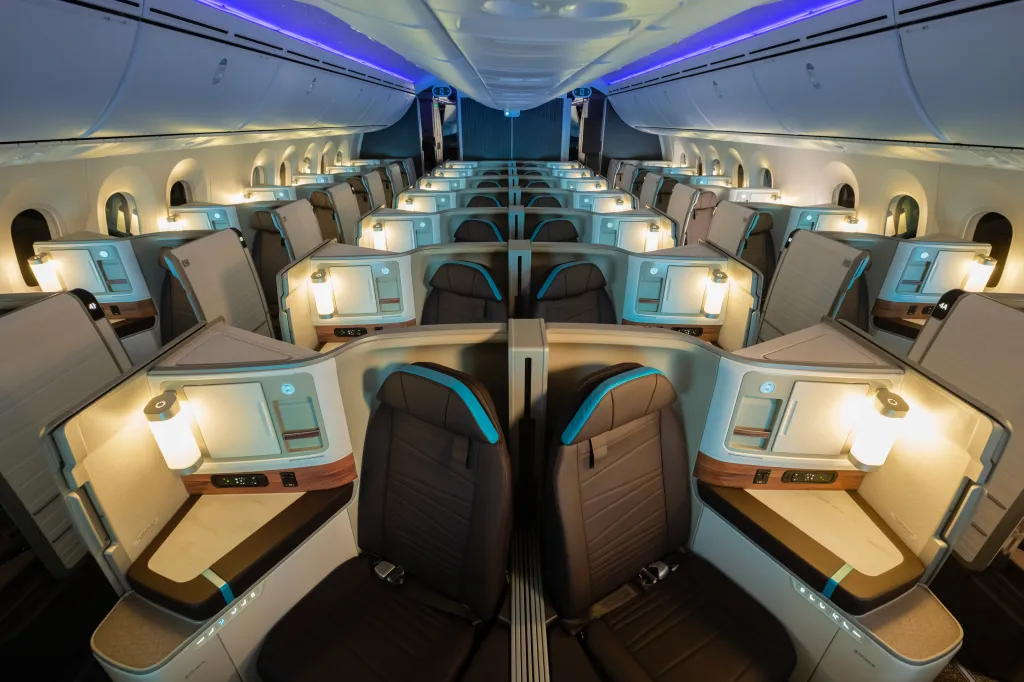
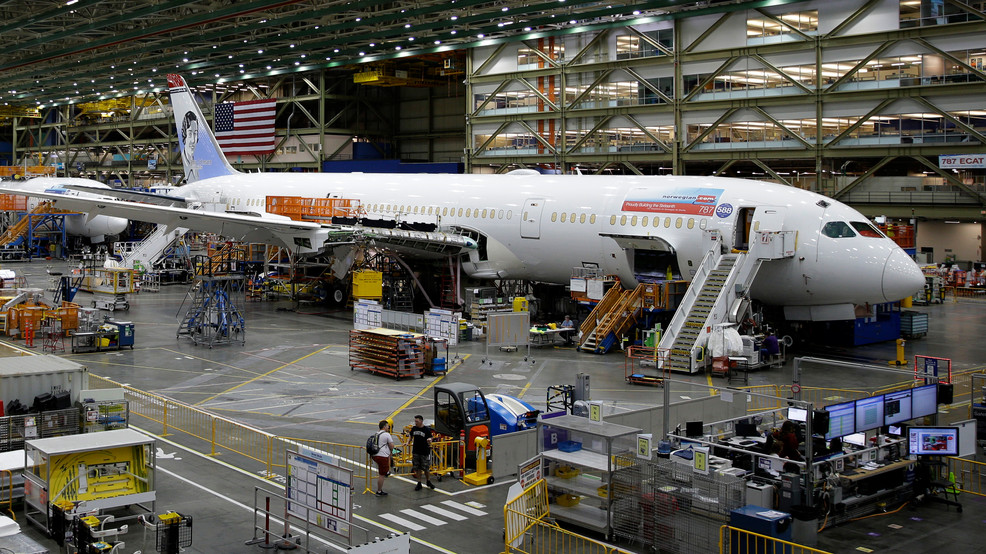
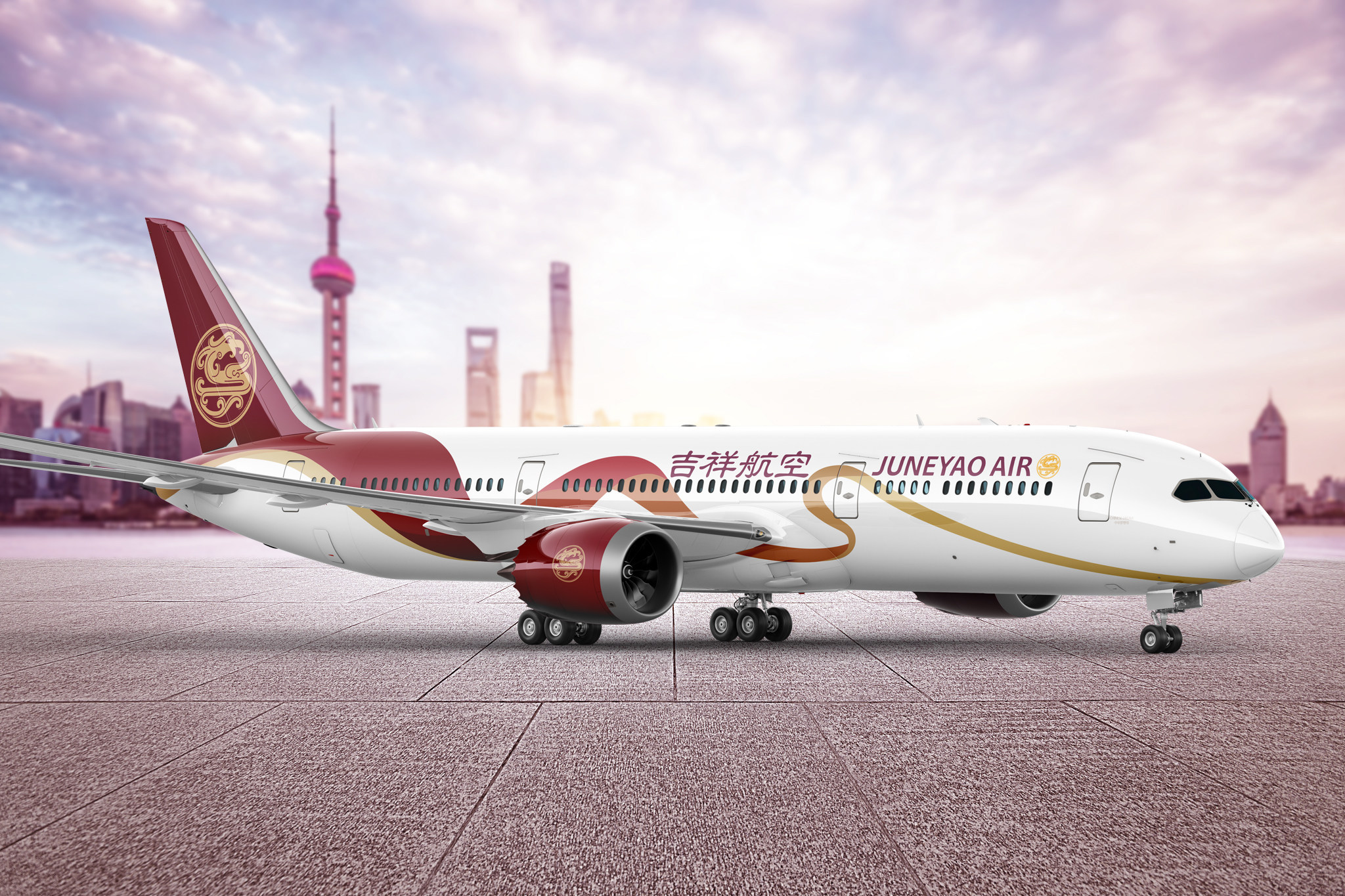
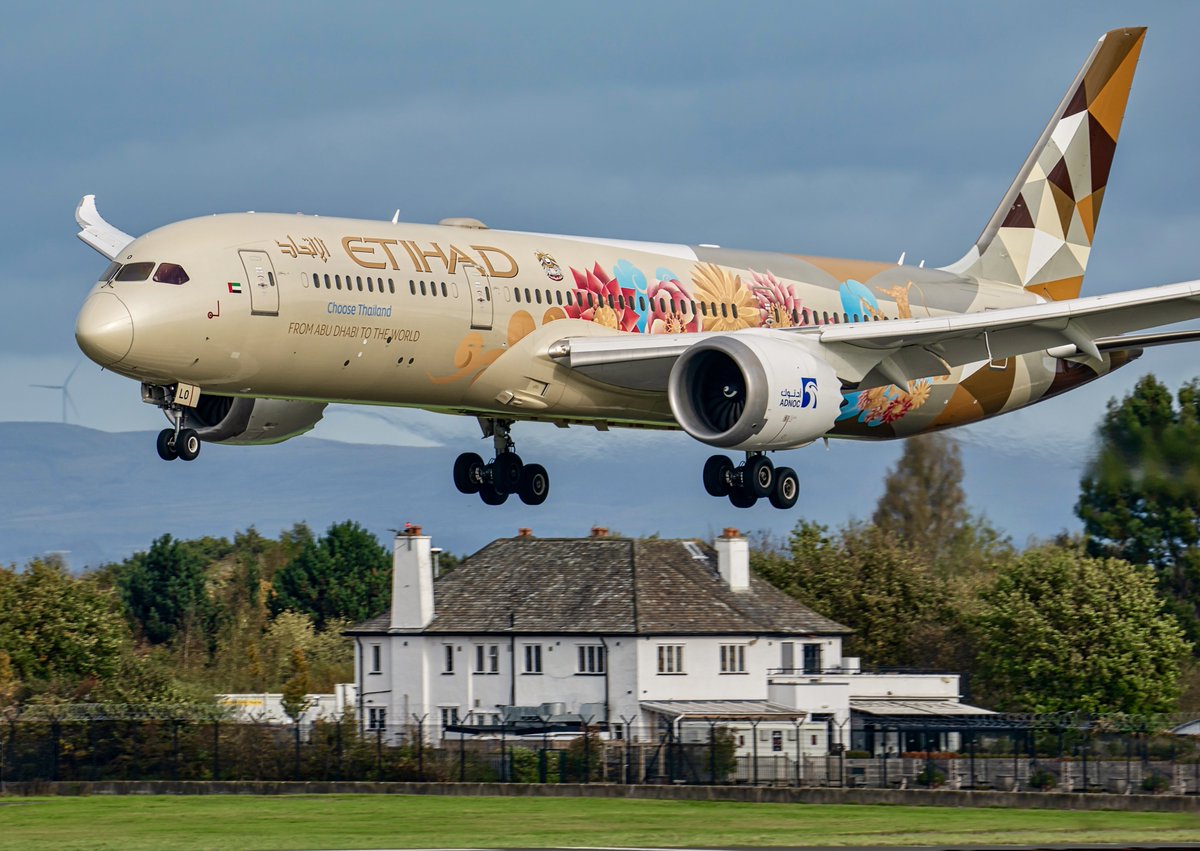

The Boeing 787 Dreamliner is a revolutionary wide-body, twin-engine jet airliner that redefined long-haul travel upon its entry into service in 2011. This aircraft is a triumph of modern engineering, being the first major airliner with an airframe made primarily of composite materials (specifically, 50% carbon fiber reinforced polymers), which significantly reduces weight and contributes to its exceptional fuel efficiency— up to 25% less fuel burn and emissions compared to the older aircraft it replaced. Often framed as the high-tech futuristic glider of the commercial world, the Dreamliner boasts large, electronically dimmable windows and a comfortable cabin environment. Its core role is enabling "point-to-point" travel, allowing airlines to open new, nonstop routes across continents with a range of up to 7,565 nautical miles for certain variants. With over 1,880 orders and more than 1,161 deliveries as of late 2024, the 787 remains a highly successful platform that continues to reshape the landscape of global air connectivity.
Dreamlifter
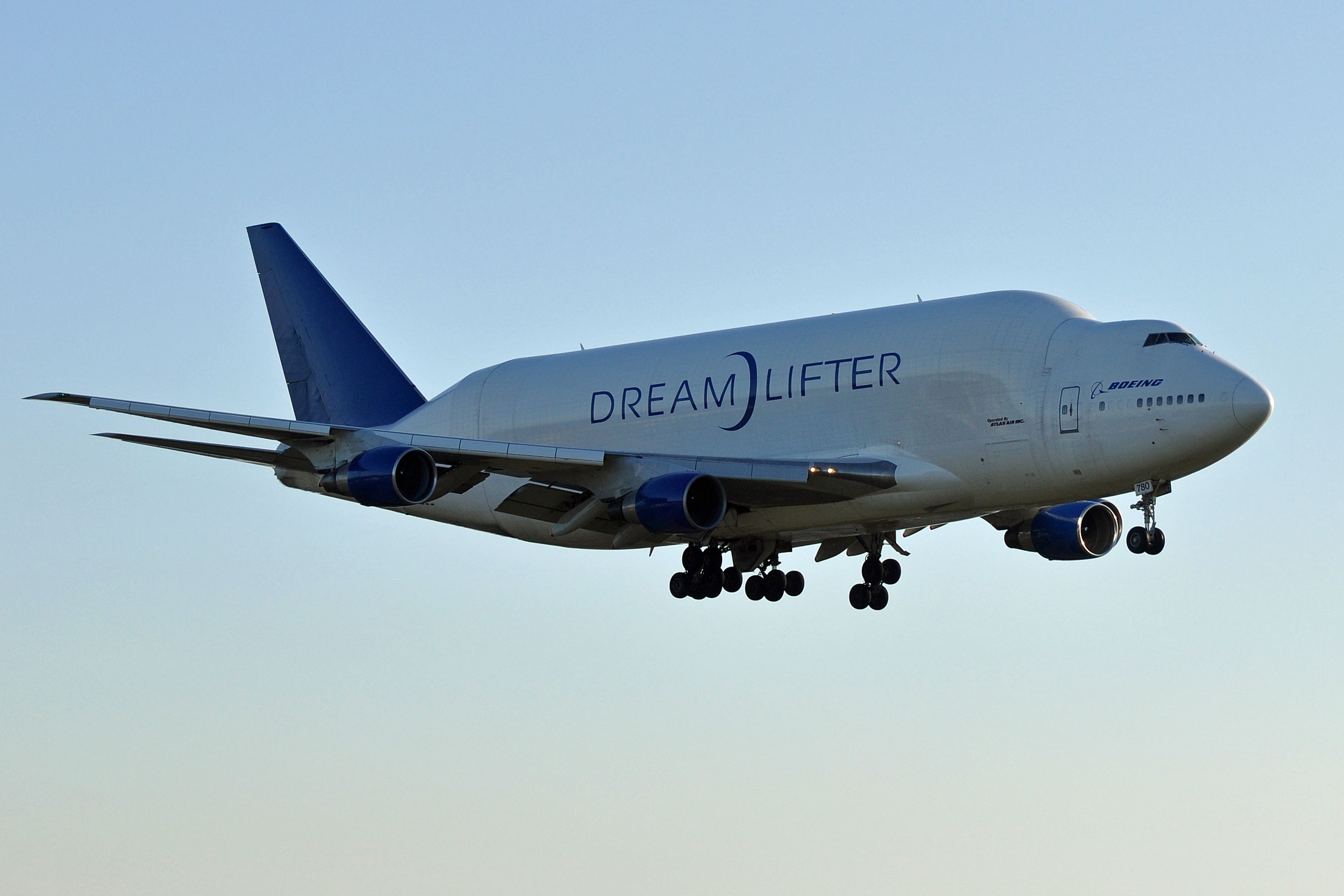
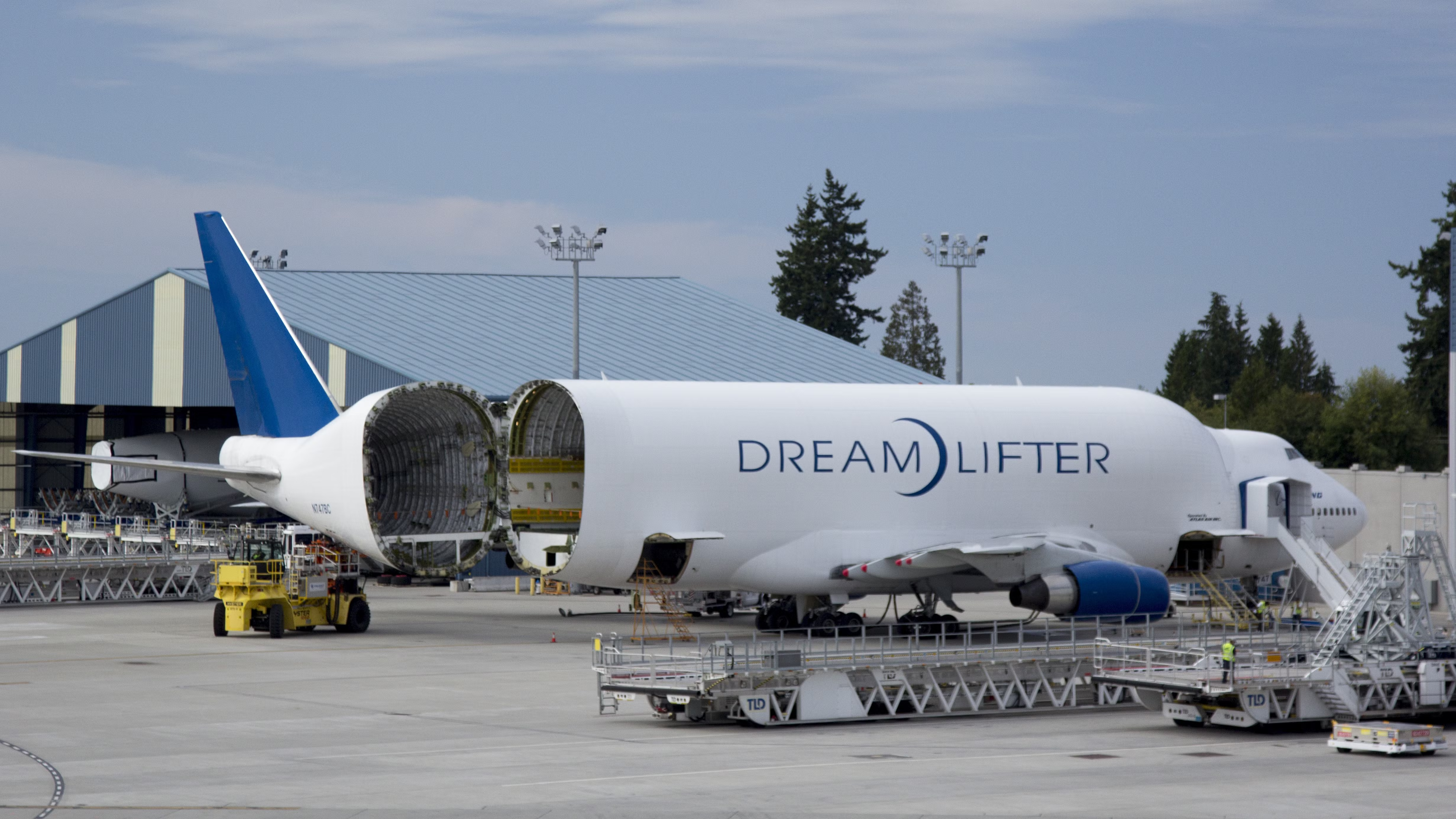
The Boeing 747-400 Large Cargo Freighter (LCF), affectionately known as the Dreamlifter , is a heavily modified version of the classic 747-400, serving as a specialized transport solution for The Boeing Company. Only four of these unique giants were ever built, and their primary role is to ferry extra-large components, such as entire wing sections and large fuselage barrels, for the assembly of the 787 Dreamliner program across continents. The Dreamlifter is easily identified by its colossal, bulbous fuselage, which gives it a staggering cargo volume of approximately 65,000 cubic feet (roughly three times that of a standard 747 freighter). While it’s not a commercial passenger or general cargo jet, this specialized aircraft is essential to maintaining Boeing's global supply chain and was notably leveraged during the COVID-19 pandemic to transport essential supplies, demonstrating its critical and flexible role within the aerospace industry.
Boeing Aircraft Family Summary
| Family | Role | Key Stats / Highlights |
|---|---|---|
| 737 | Narrow‑body, short/medium haul | >13,000 orders (MAX only) by 2024; thousands delivered; most‑popular commercial jet family. |
| 747 | Wide‑body “jumbo” | ~1,574 built over 54 years; production ended; iconic long‑haul giant. |
| 757 | Narrow‑body/medium twin | Bridged narrow to wide; fewer units but strong performance and longevity. |
| 767 | Wide‑body twin | Orders ~1,430 (by end‑2024); many freighter/military variants. |
| 777 / 777X | Large twin‑aisle long‑haul | Orders ~2,167; flagship routes; freighters with ~100 tonne payloads. |
| 787 Dreamliner | Modern long‑haul twin, composite‑material | Orders ~1,880; payload/range enabling new routes; ~25% fuel savings. |
| Dreamlifter | Special cargo variant (from 747‑400) | Only 4 built; huge volume; supports 787 supply chain. |