About Airbus

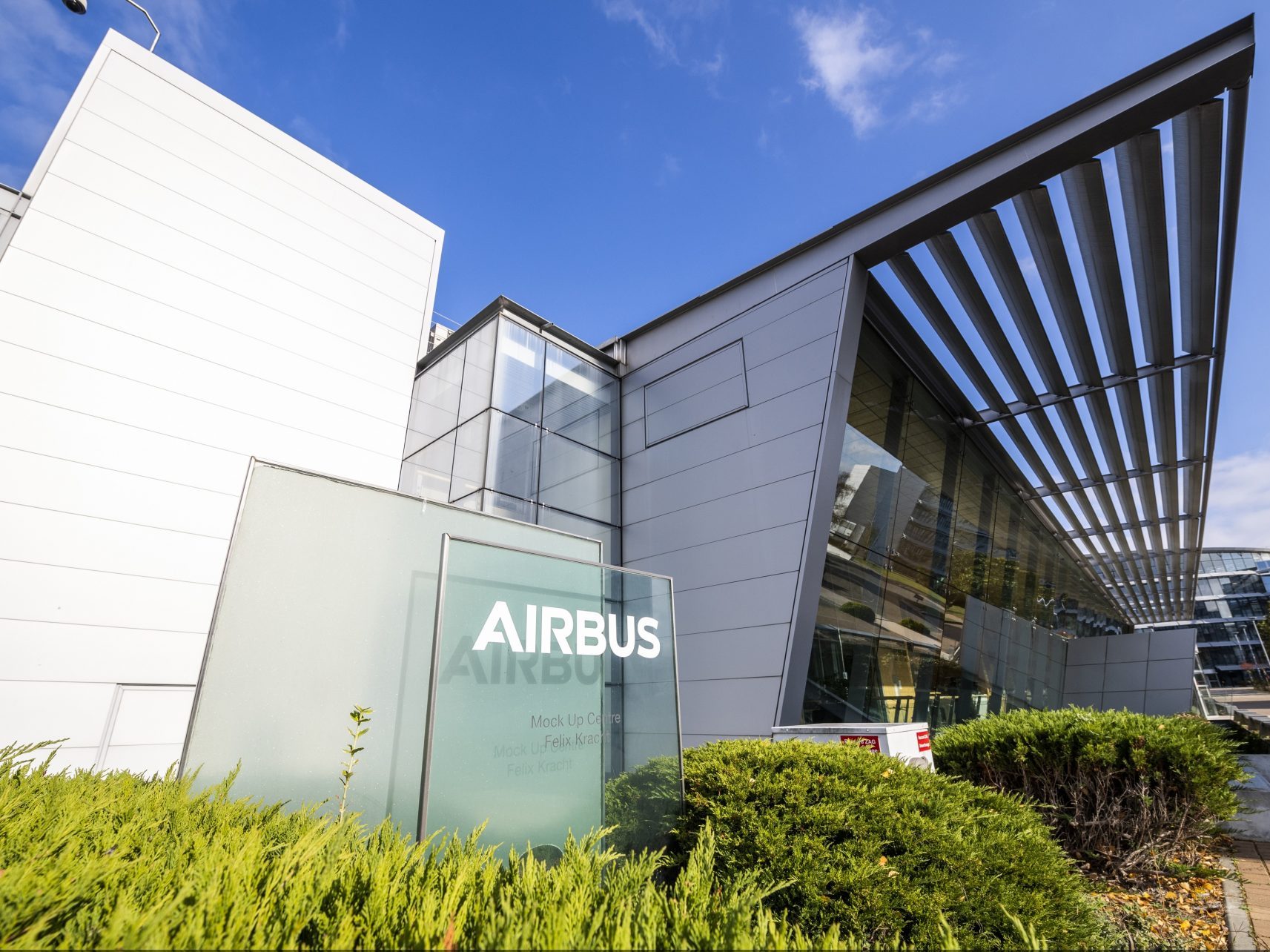
Airbus began as a bold European collaboration: in the late 1960s and
early 1970s, aerospace firms from France, Germany (and later Spain and
the UK) joined forces to challenge the dominance of American
plane-makers. Officially formed in 1970 as a consortium (“Airbus
Industrie”), this multinational venture would evolve into today’s
Airbus SE.
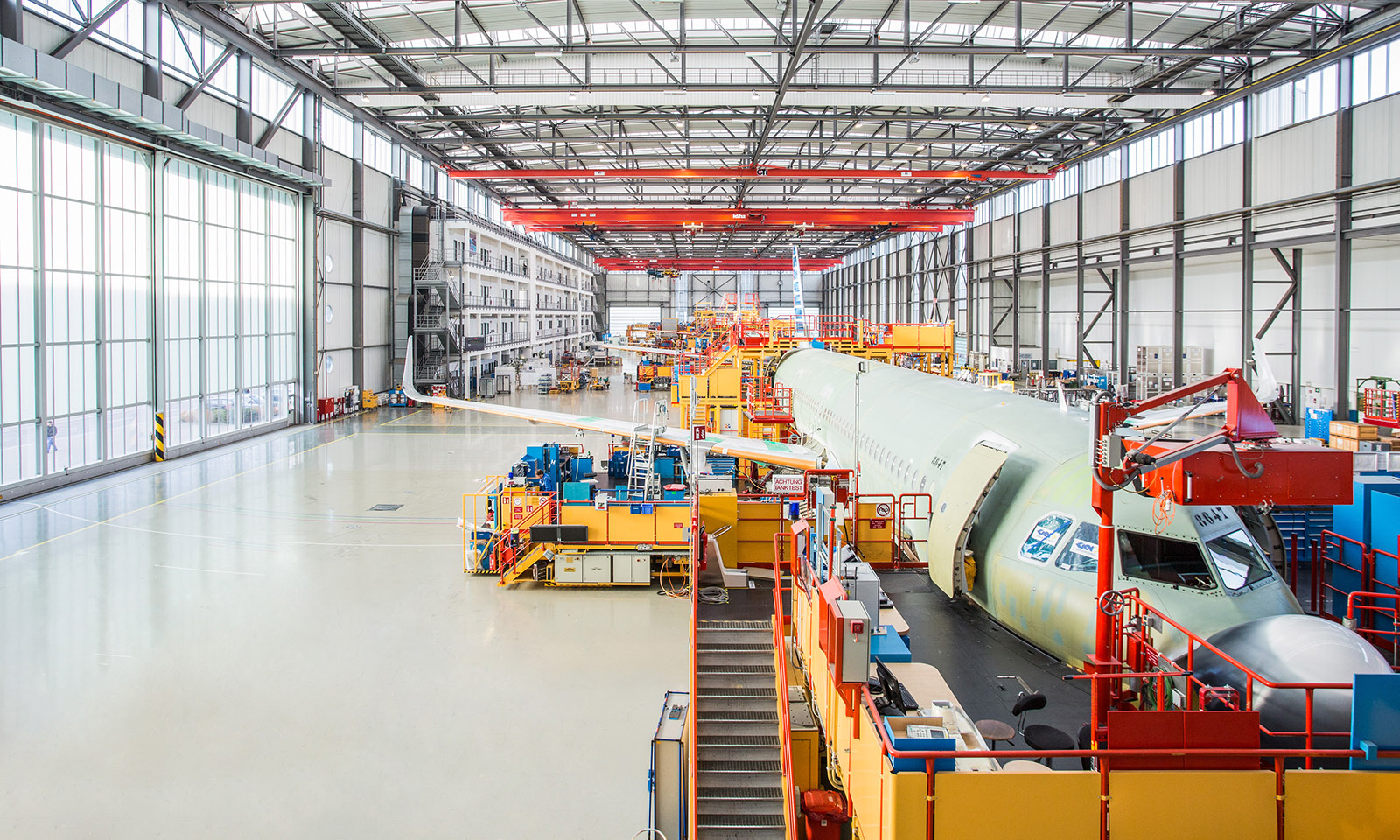
Over time, Airbus grew from building its very first wide-body
twin-engine jet, the Airbus A300, into a global aerospace titan with
manufacturing, sales, services and technology operations spanning
continents. The company’s identity has become one of innovation,
scale, international industrial collaboration—and pushing aviation
forward in terms of efficiency, comfort and environmental performance.
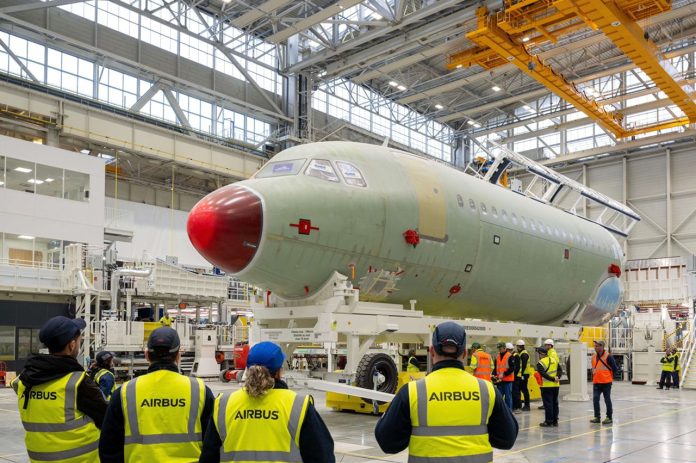
Today Airbus stands as one of the two major global commercial-aircraft
manufacturers. It regularly reports strong commercial deliveries and
orders (for example in 2023 it delivered 735 aircraft and had a
backlog of 8,598).
The story of Airbus is one of ambitious engineering, industrial
orchestration and competitive drive.
A220 Family
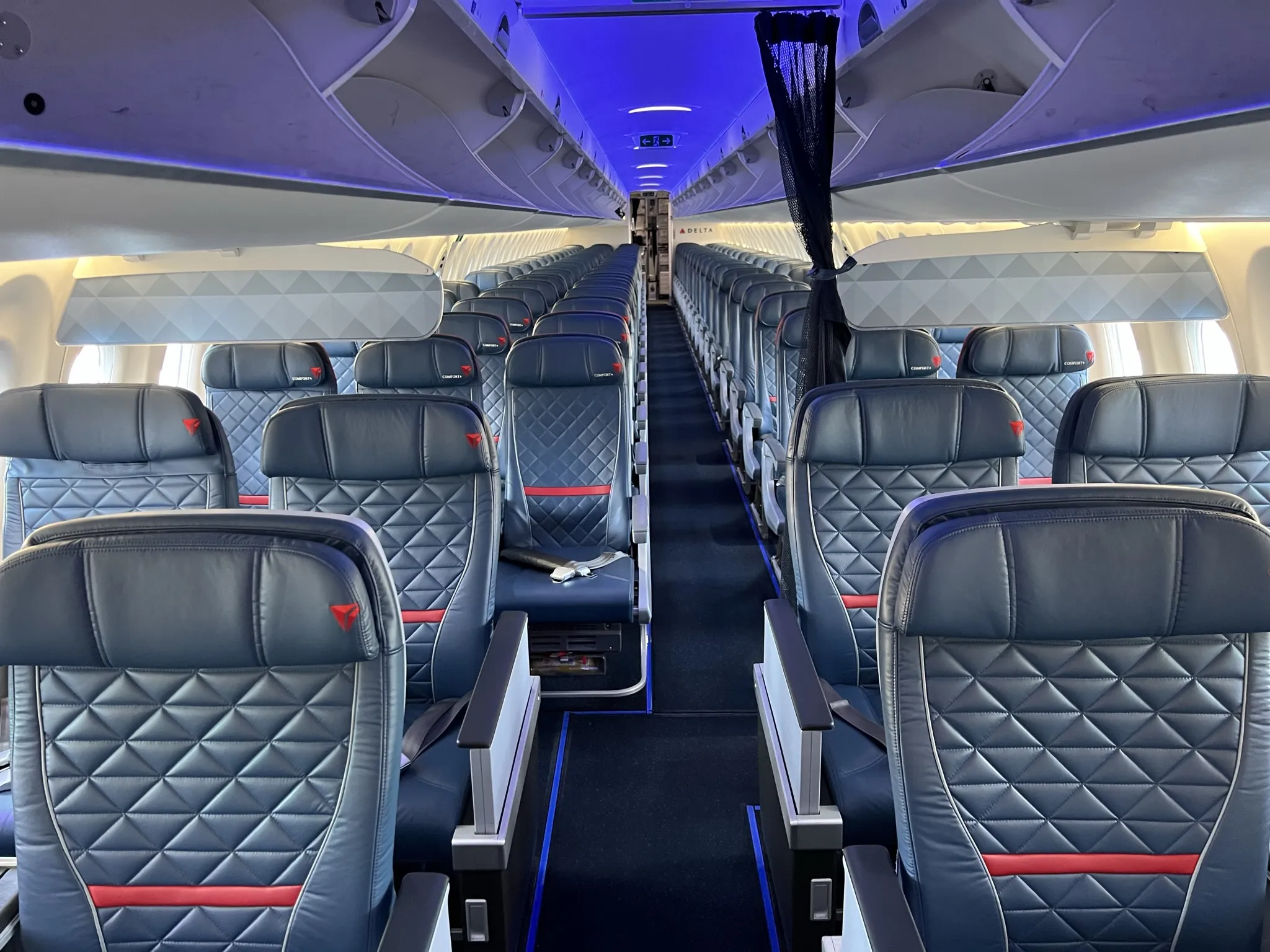
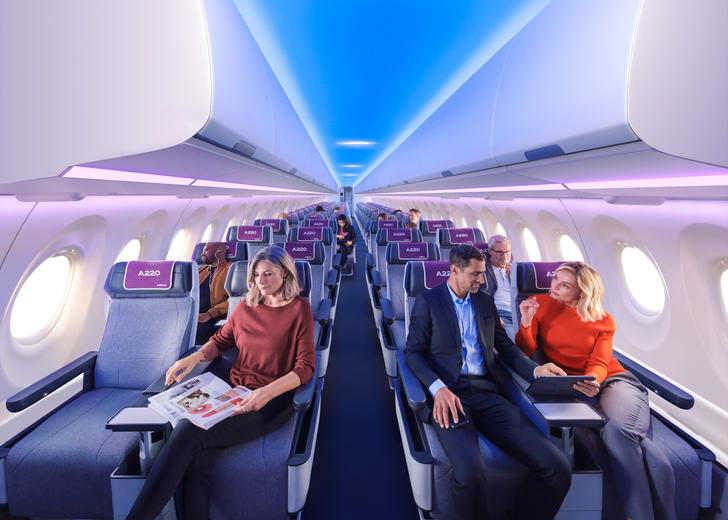
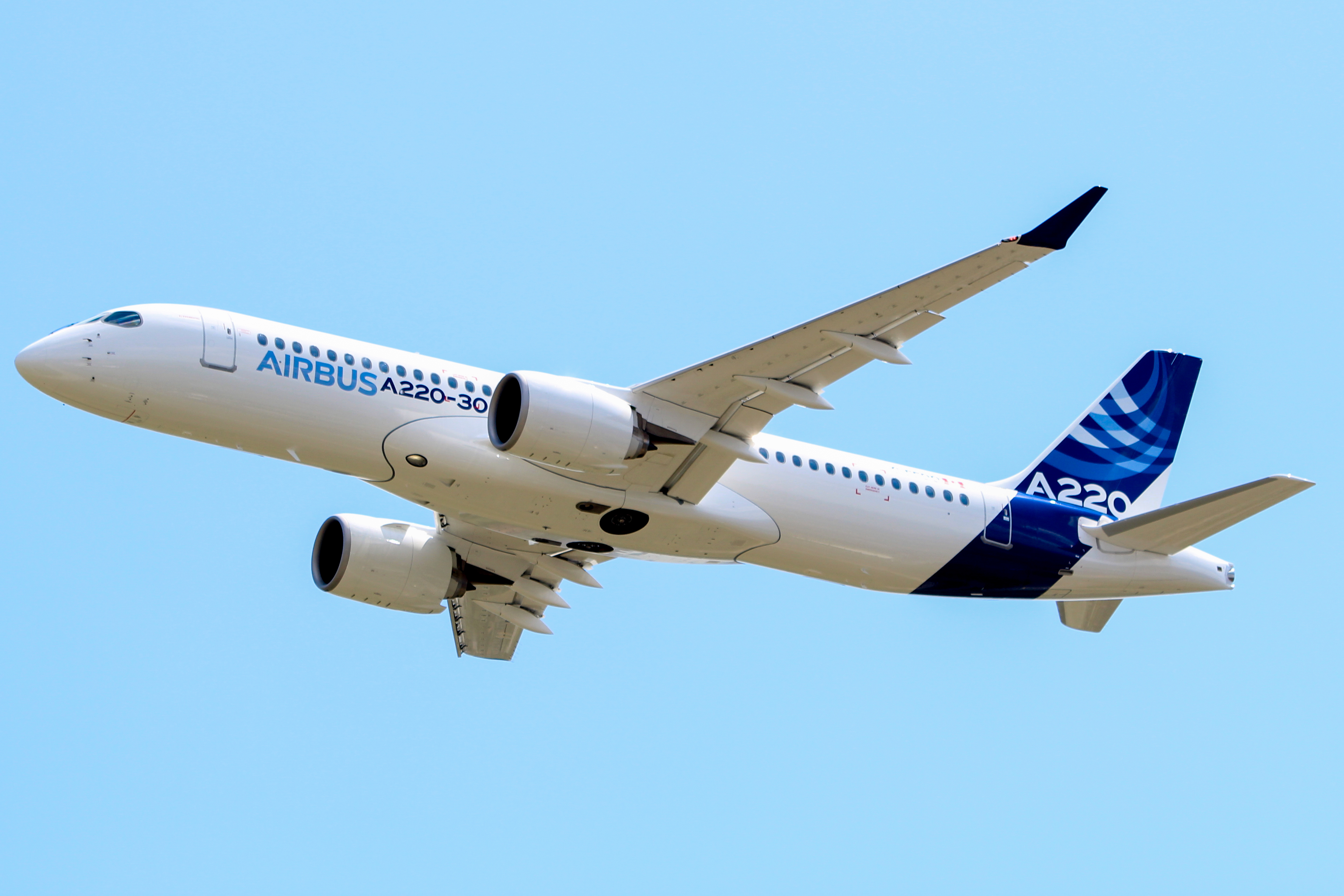
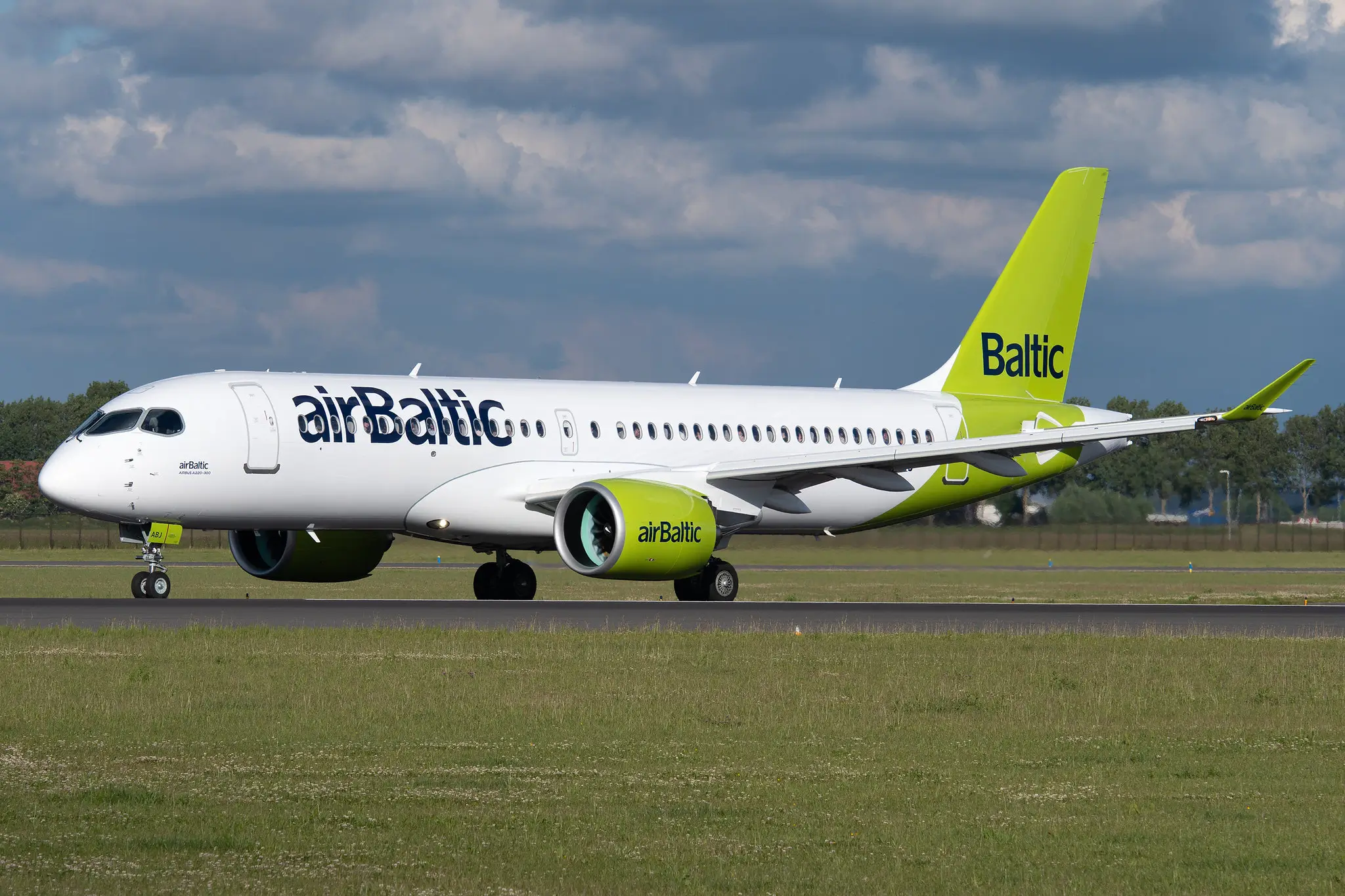
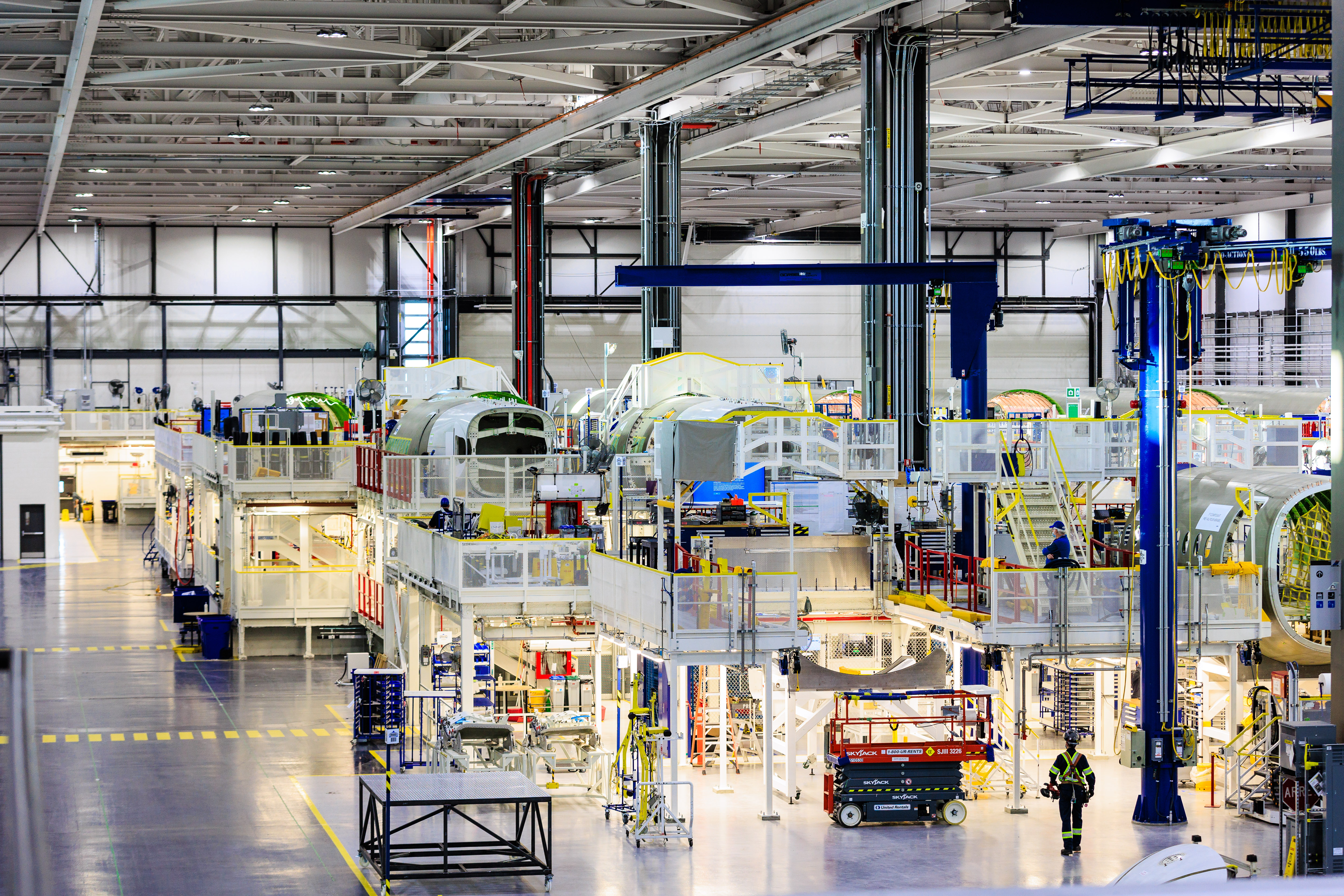
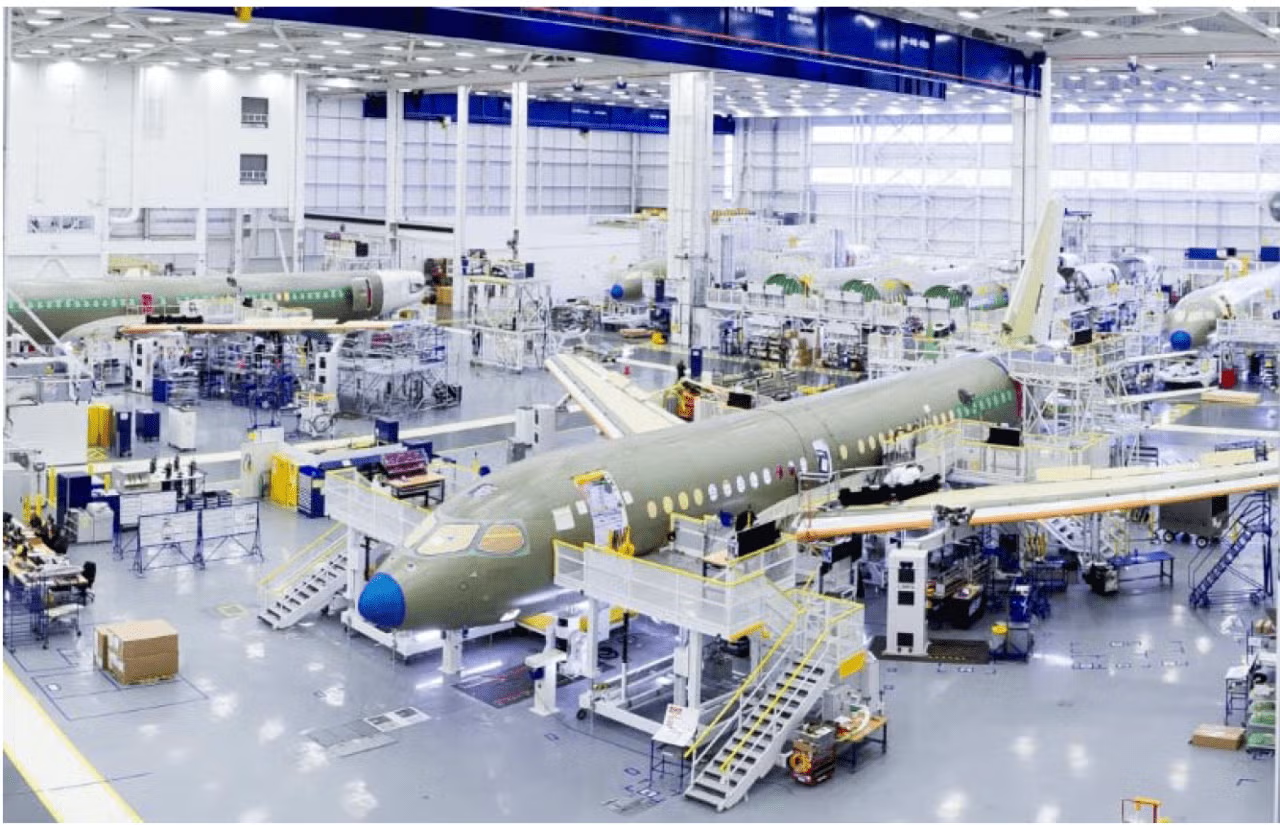
This nimble sibling in the Airbus line-up—covering roughly 100 to
150 seats—is a master of efficiency.
The Airbus A220‑100 and
Airbus A220‑300 models bring wide-body comfort into the single-aisle
world: large windows, roomy overhead bins, and very modern engines.
Key stats: As of mid-2024 the A220 family had around 902
orders, 342 delivered aircraft, and was operated by about 20
airlines.
It offers ranges up to about 3,600 nm (~6,700 km),
and delivers roughly 25% lower fuel burn per seat than
previous-generation models.
In short: Airbus’ “delicate but
mighty” entrant, ideal for routes where right-sizing matters and
efficiency is king.
A300 / A310 Family
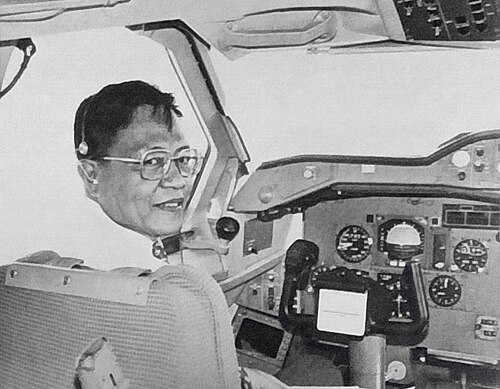
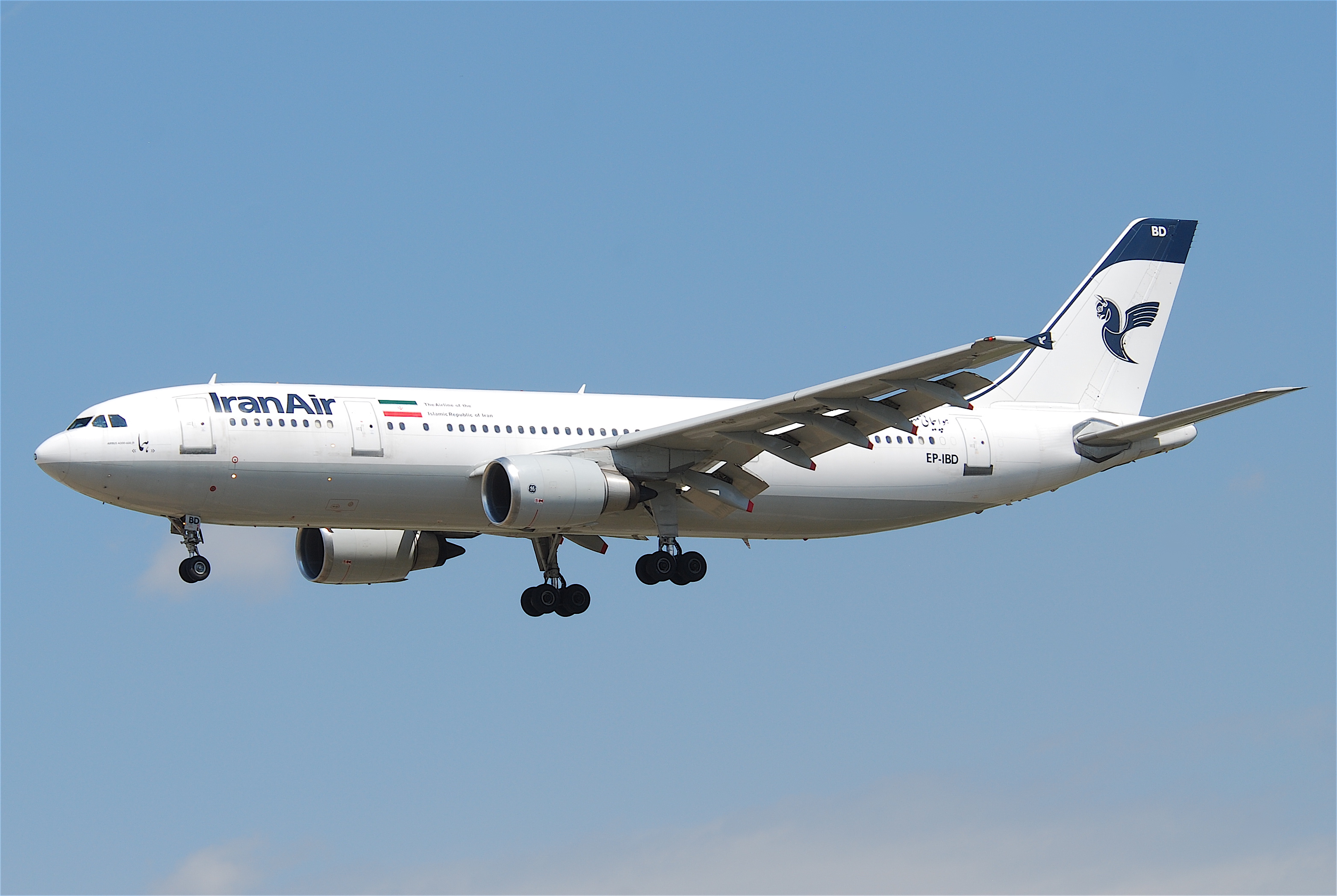
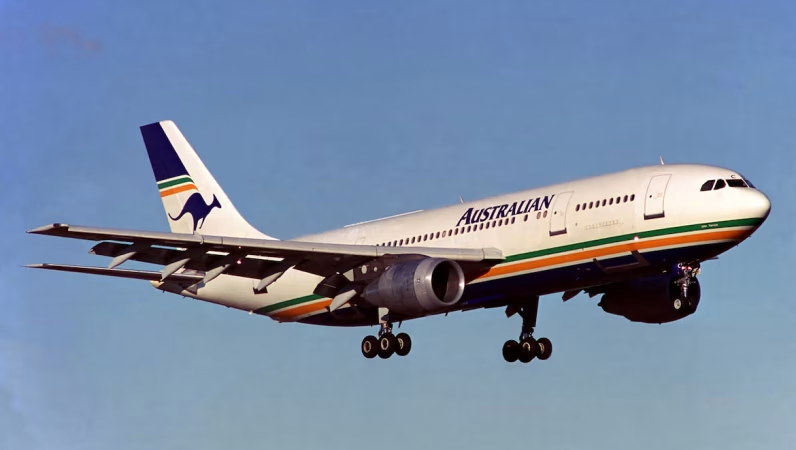
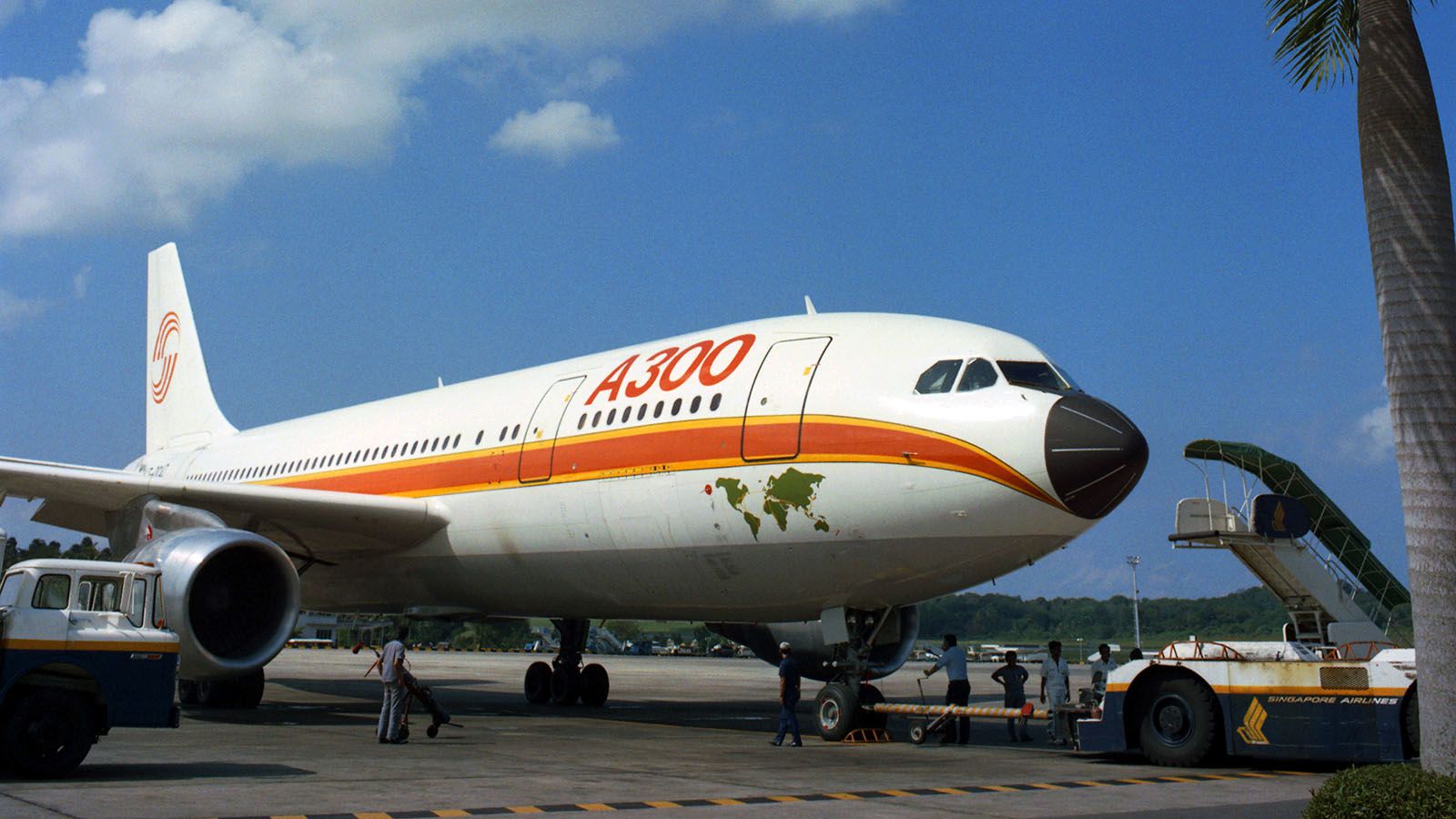
The Airbus A300 and its derivative, the A310,
are foundational
aircraft that established the European consortium as a major force
in commercial aviation.
The A300, which first flew in 1972,
was the world's first twin-engine wide-body jetliner,
initially designed for high-capacity, short- to medium-haul
European routes—a concept that proved globally successful.
The
A310, launched later, was a shorter, lighter, and longer-range
version of the A300, specifically
created to target a market
segment requiring wide-body comfort
but with lower passenger
density for "long and thin" intercontinental routes.
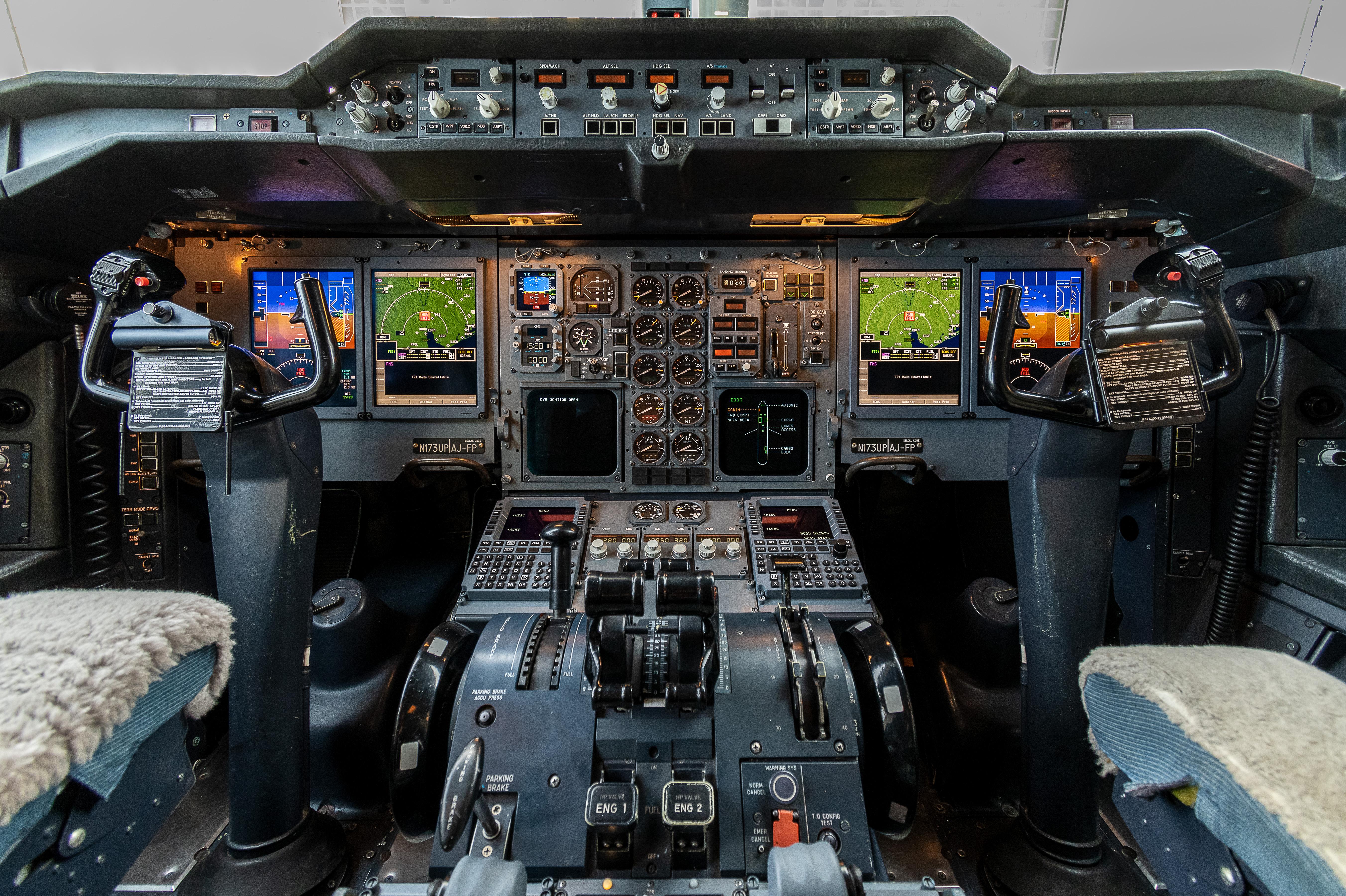
Both
aircraft were pioneering, particularly the later A300-600 and all
A310s, as they were among the first to feature a two-crew "glass
cockpit"
with modern electronic flight instrument systems,
eliminating the need for a flight engineer and
setting the
standard for all future Airbus aircraft, including the A330 and
A340.
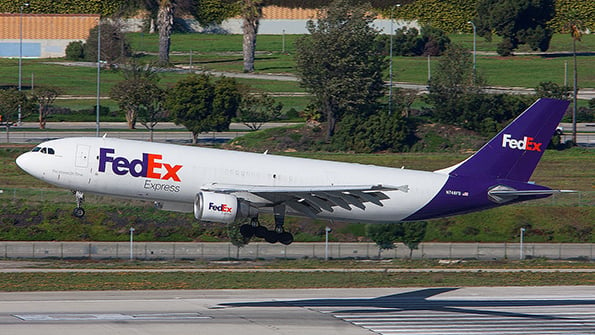
Though retired from most passenger fleets, the highly
durable A300-600 and A310 continue to serve extensively today in
global cargo fleets,
notably with FedEx and UPS, affirming
their robust and lasting design legacy.
A318 / A319
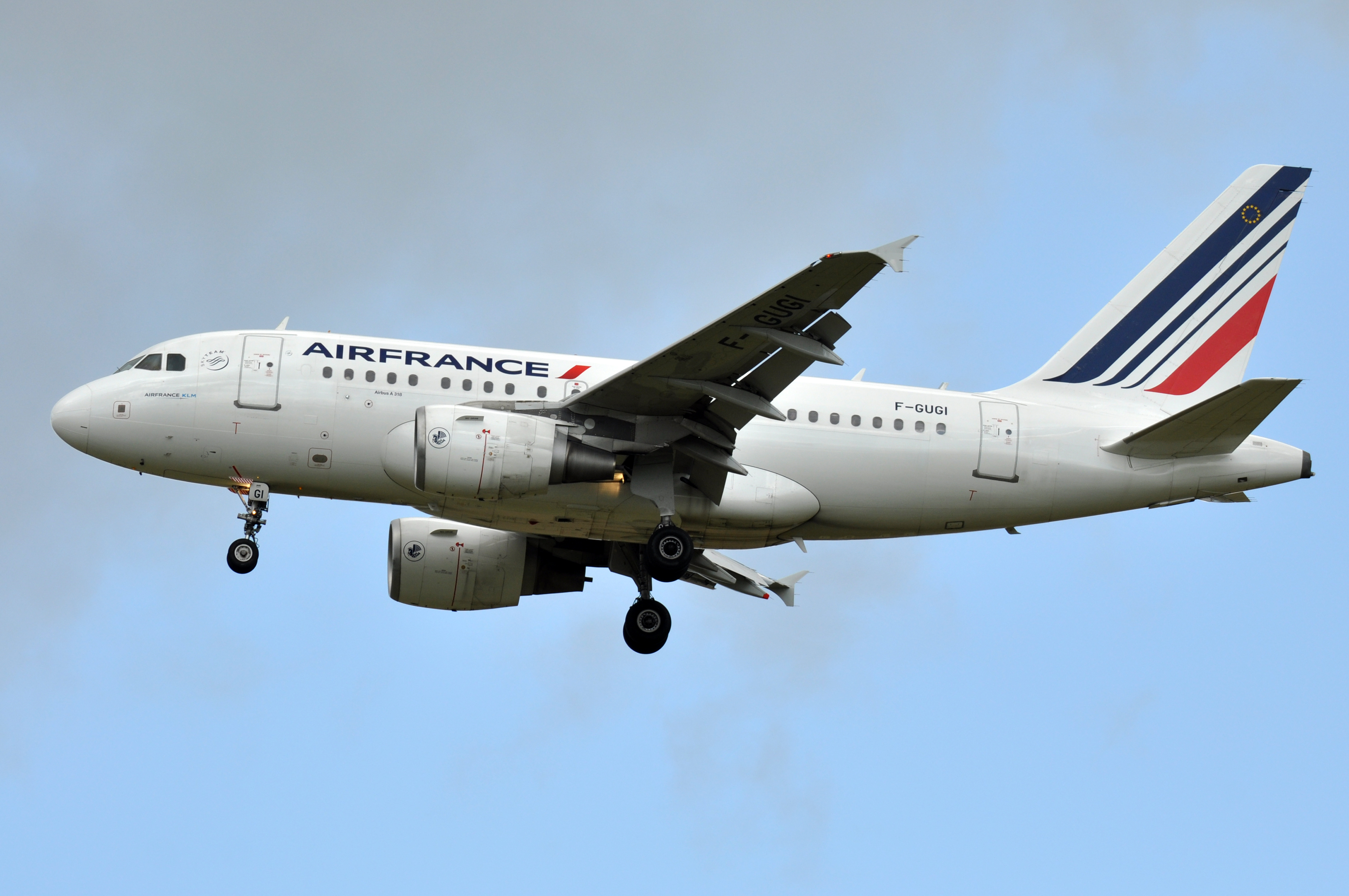
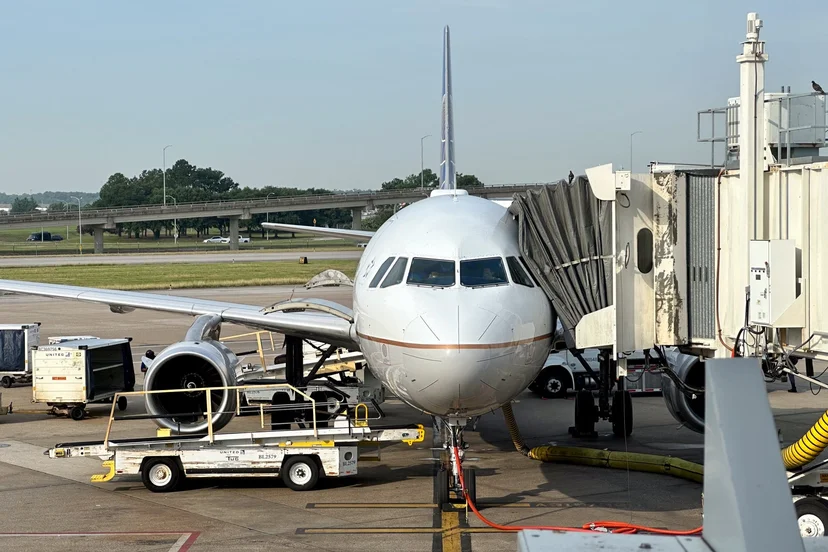
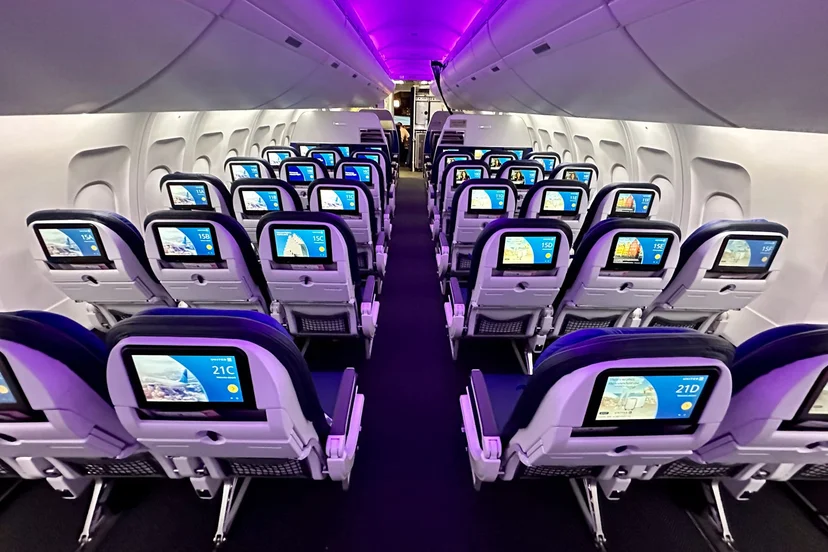
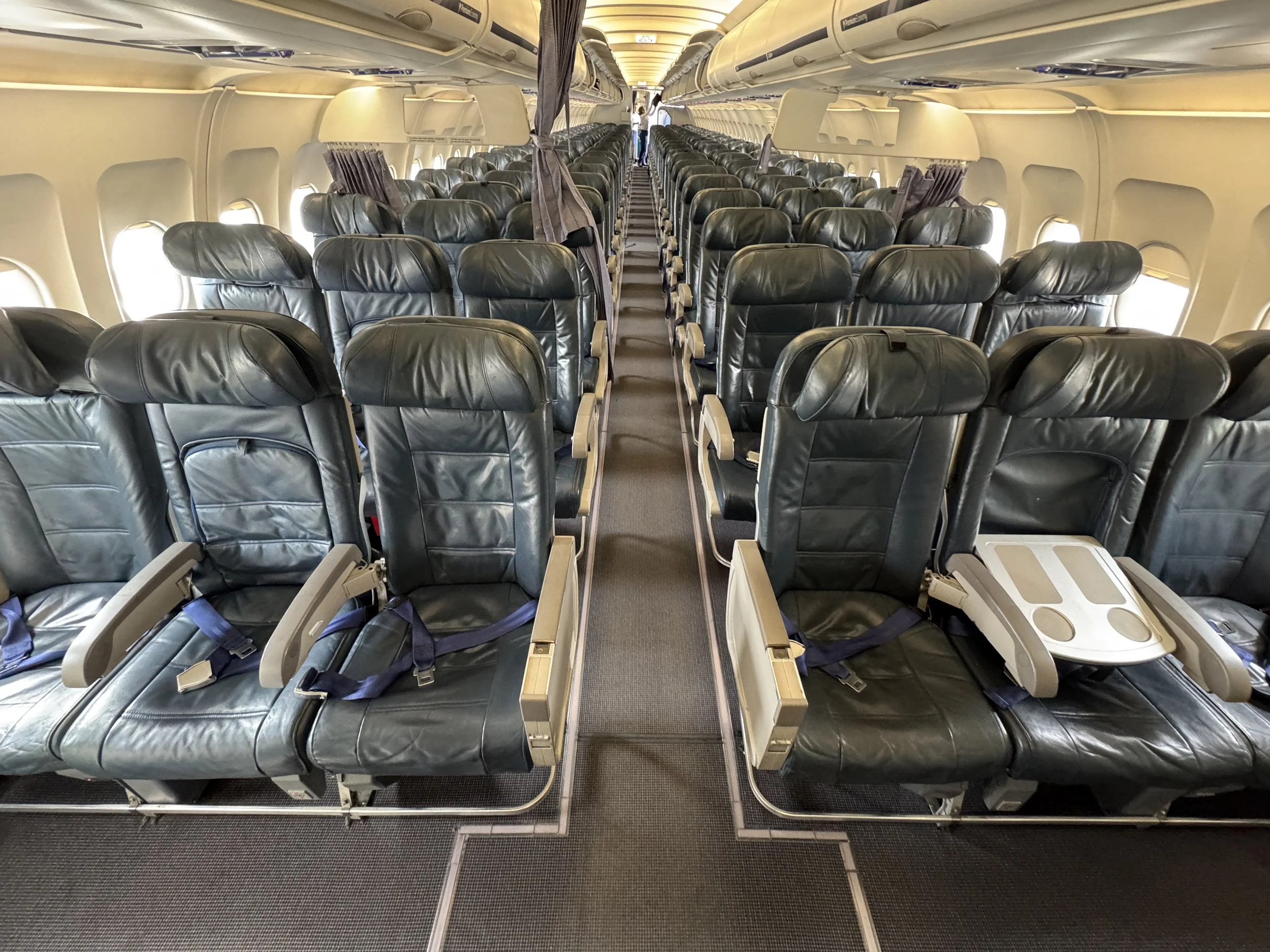
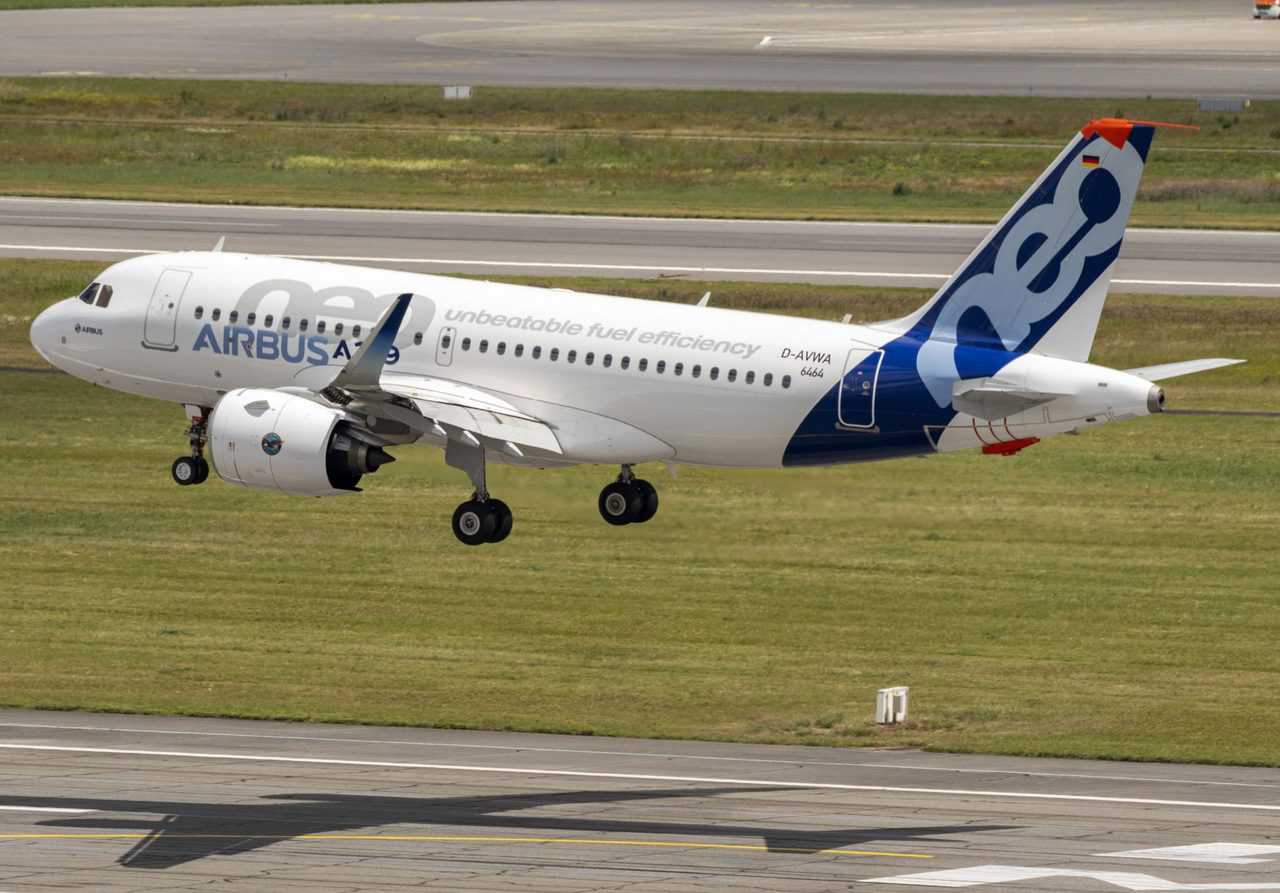
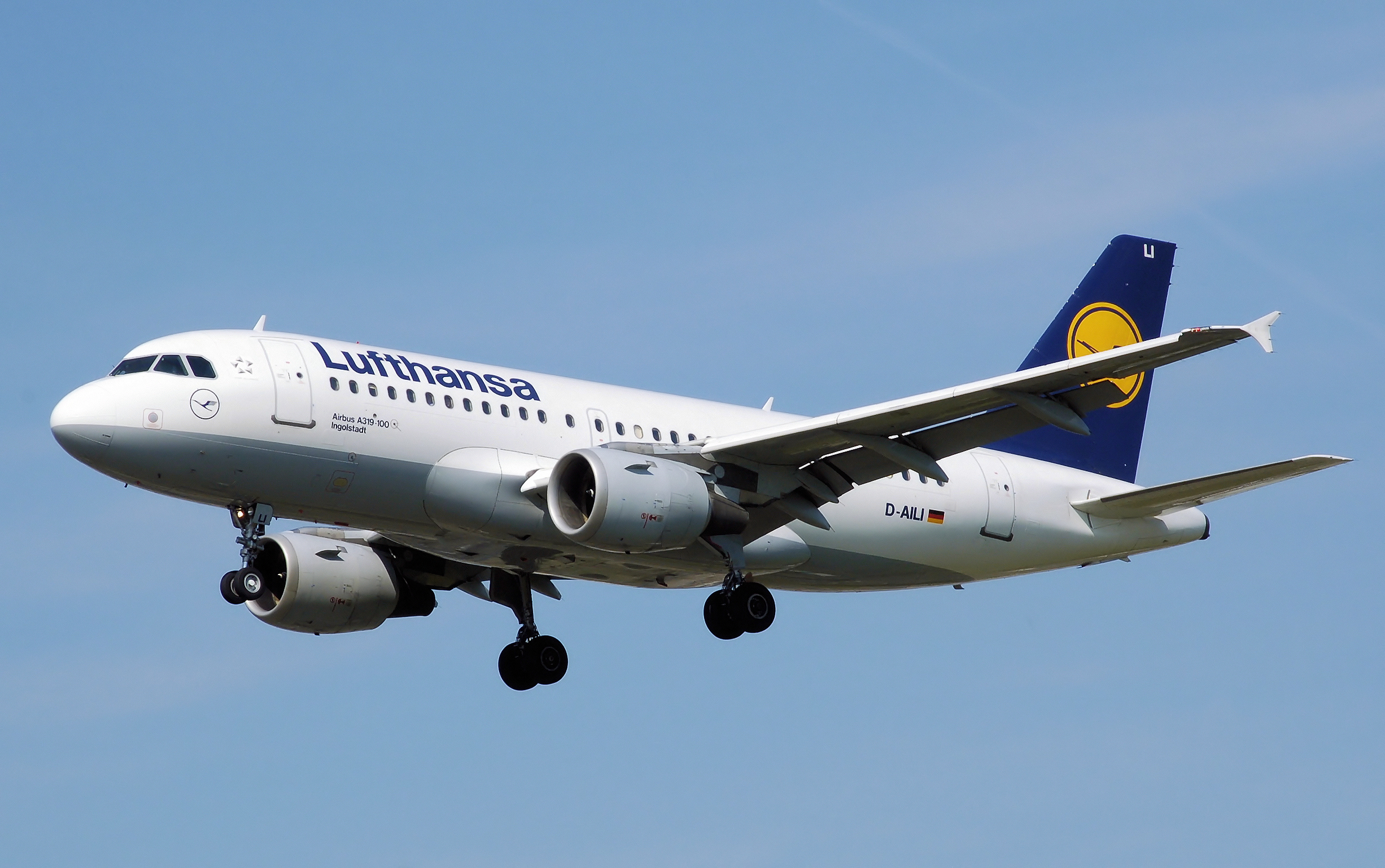
The Airbus A318 and A319 are the two shortest members of the A320
single-aisle aircraft family, designed for short- to
medium-haul routes. The A319, which typically seats between
124 and 156 passengers, has proven highly popular with
airlines seeking a slightly smaller capacity option than the
standard A320, offering a better balance of range and
efficiency for "thin" routes. It comes in both the original
A319ceo (Current Engine Option) and the modern A319neo
(New
Engine Option) variant, which boasts up to a 20% reduction in fuel
burn due to new engines and "Sharklet" wingtips.
The A318,
often called the "Baby Bus," is the smallest Airbus jet, seating
around 107 to 132 passengers.
While less commercially
successful than the A319, it gained a notable niche due to its Steep
Approach capability,
which allows it to operate safely into
airports with demanding approaches and short runways, such as London
City Airport (LCY).
Both aircraft benefit from the Common Type
Rating of the A320 family, allowing pilots to fly any member of the
series without extensive additional training.
A320 Family
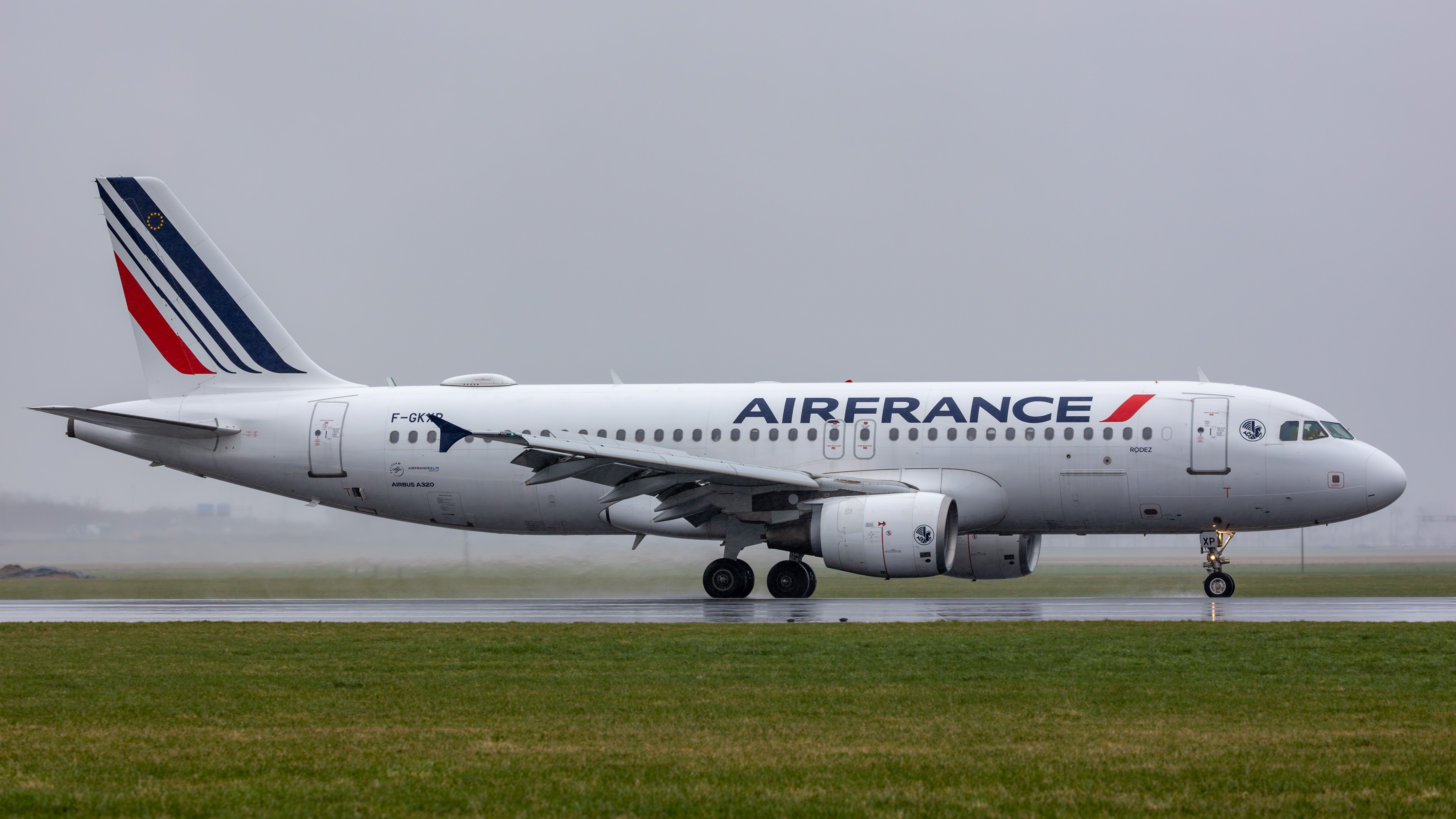
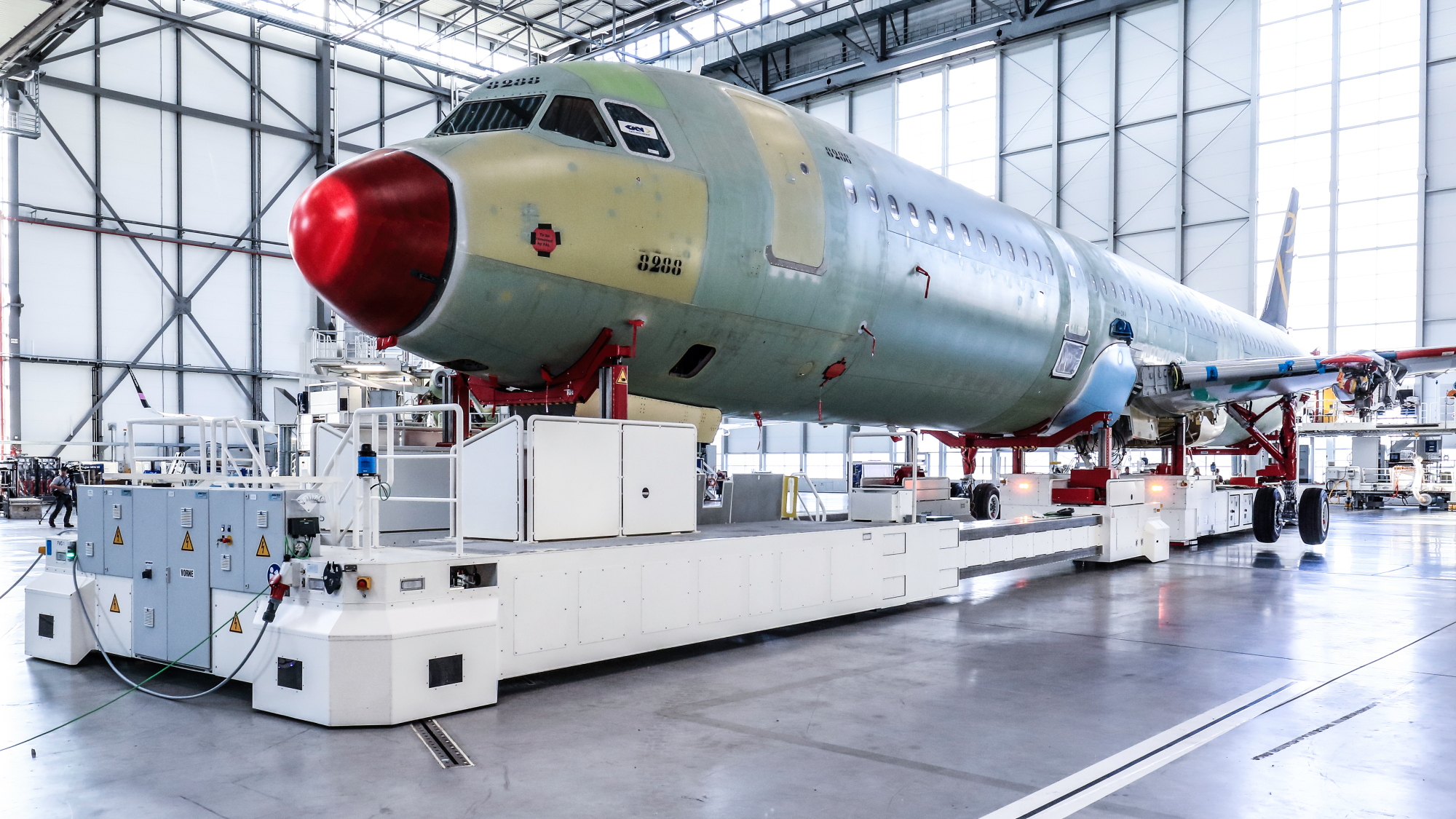
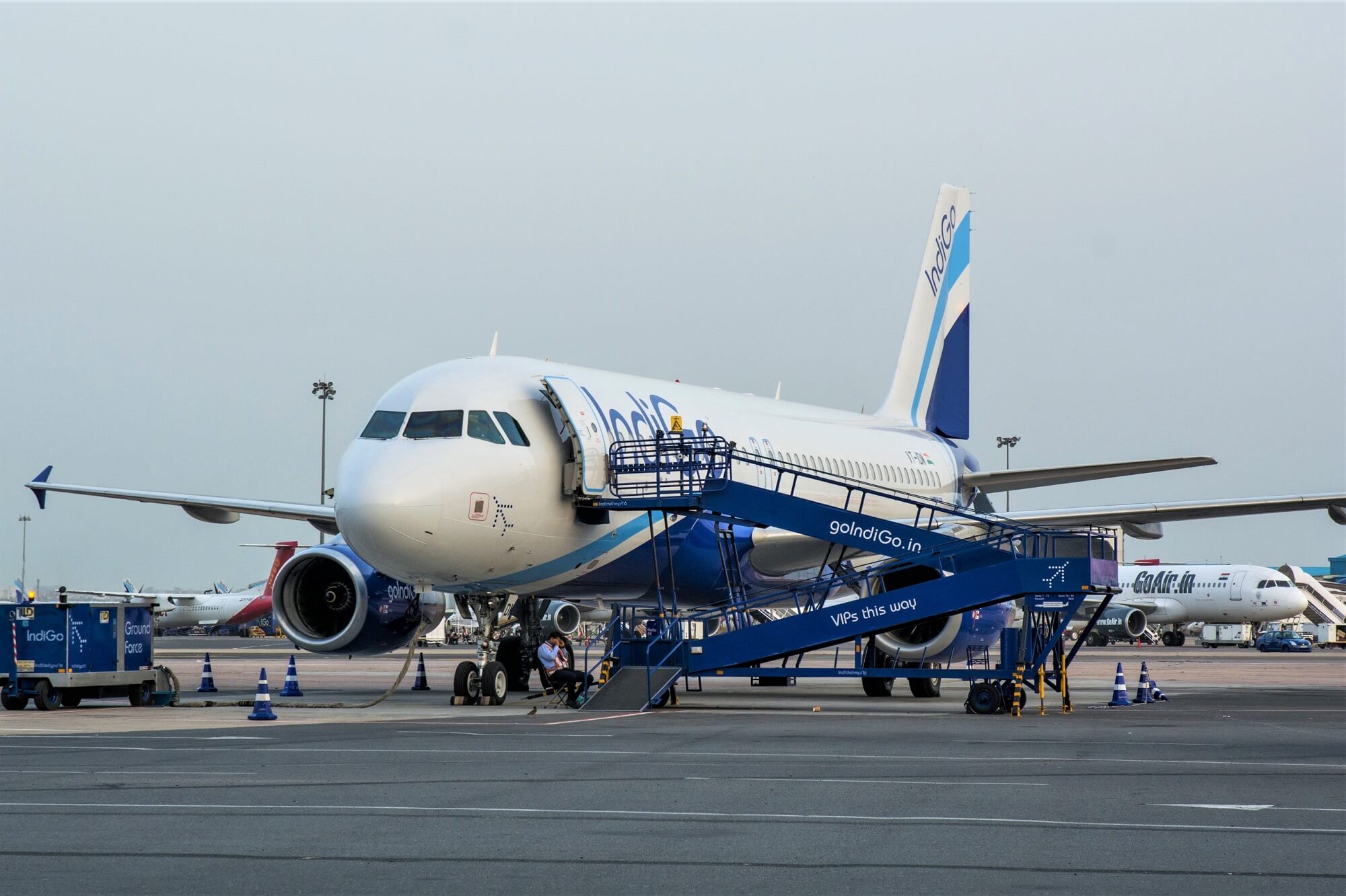
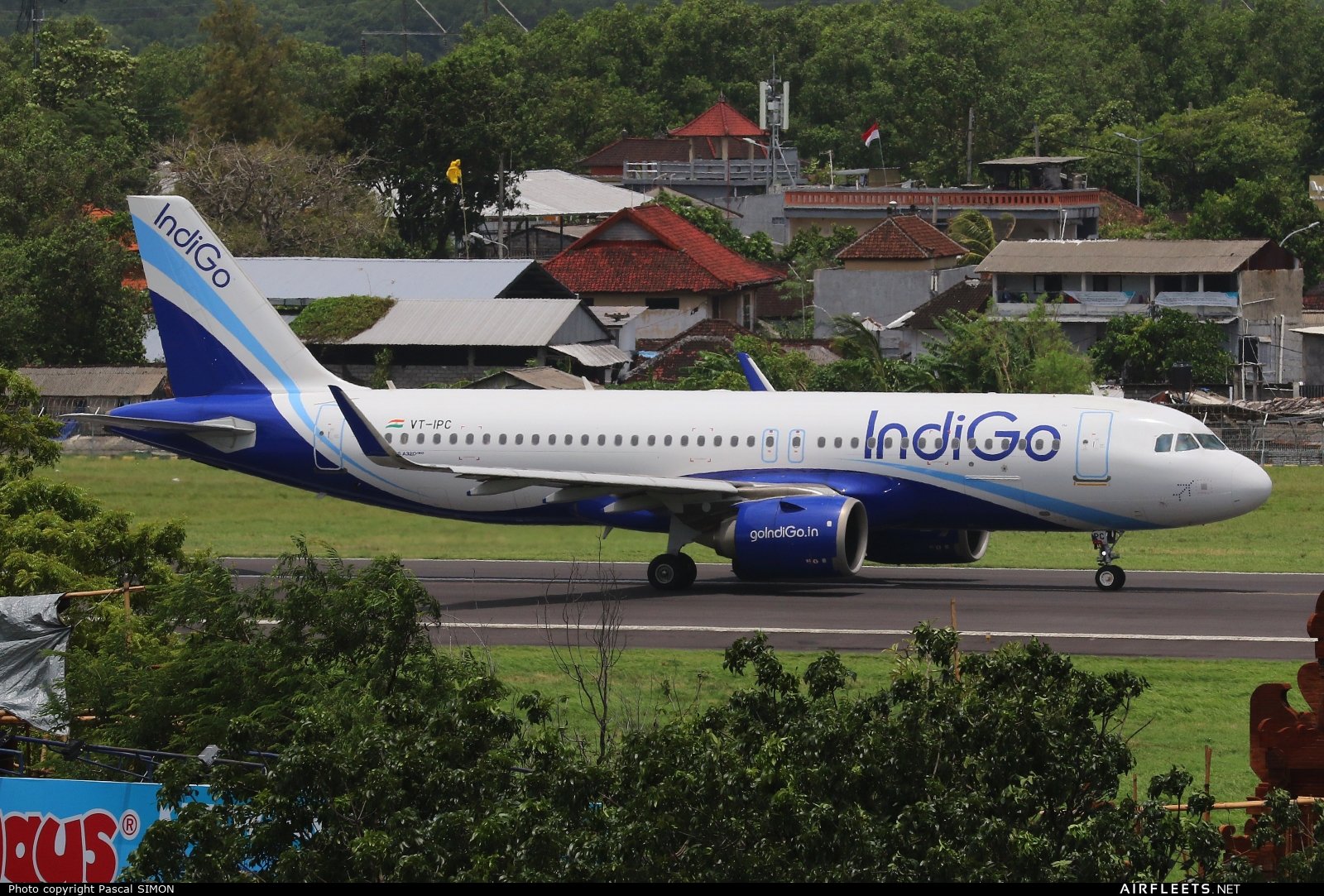
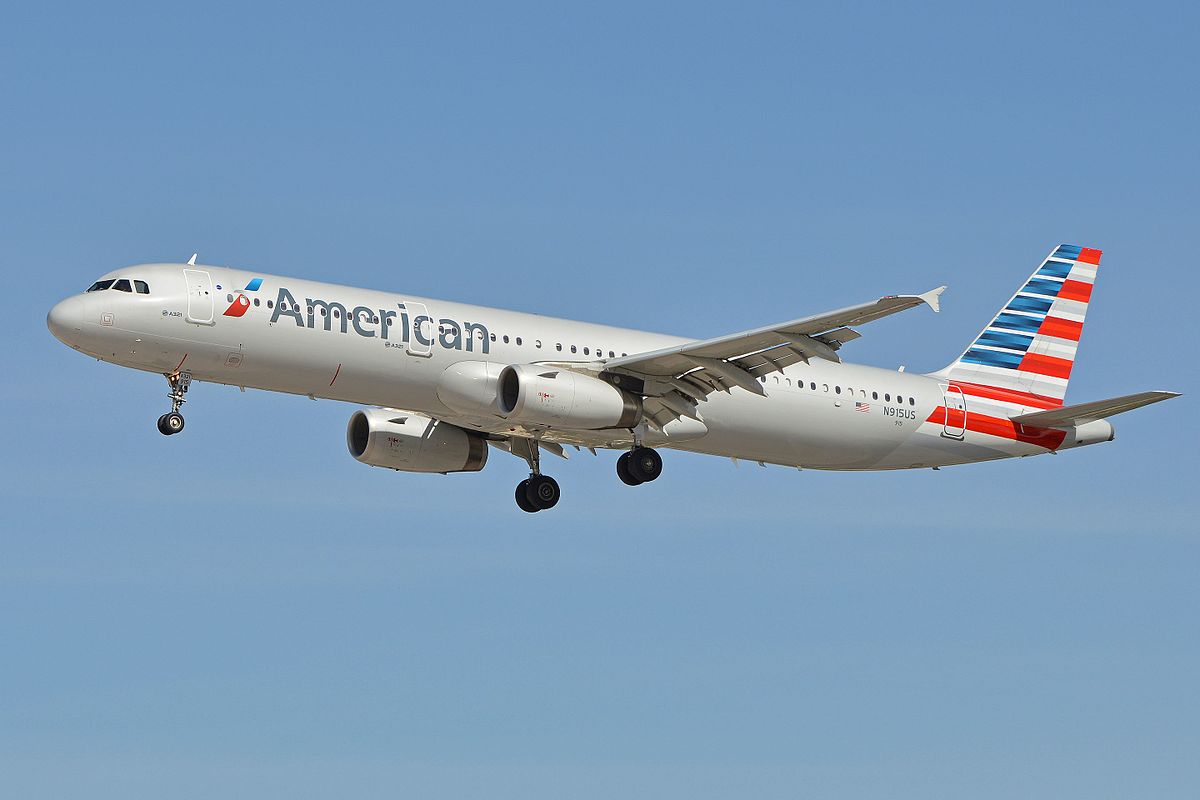
The Airbus A320 is the cornerstone and most popular member of the
narrow-body A320 Family, which has become the best-
selling
airliner series in aviation history. Launched in the 1980s to
compete with the Boeing 737, the A320 was
revolutionary as the
first commercial aircraft to feature a fully digital fly-by-wire
(FBW) flight control system and a
common cockpit across its
variants, significantly streamlining pilot training and maintenance
for airlines.
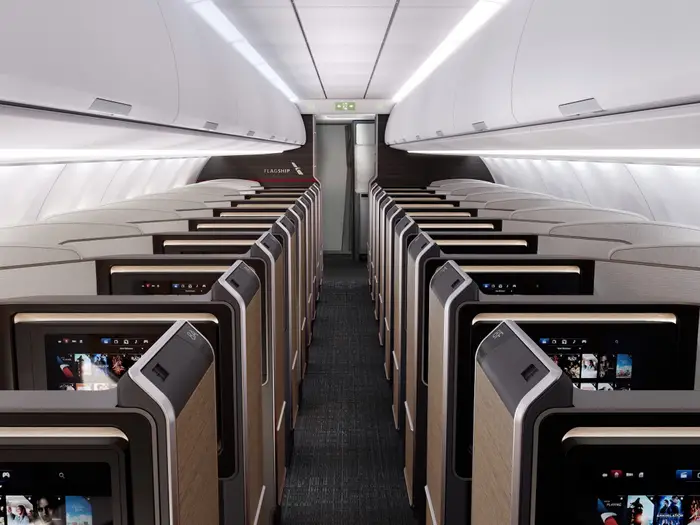
Typically seating 150 to 186 passengers, the
A320 excels on short- to medium-haul routes and is favoured by both
legacy
and low-cost carriers for its fuel efficiency and
comfortable, wider single-aisle cabin. Its enduring success was
cemented by the introduction of the A320neo (New Engine
Option), which, with its new generation engines and
distinctive "Sharklet" wingtips, delivers a 20% reduction in
fuel burn and CO₂ emissions, ensuring its dominance in the
single-aisle market for decades to come.
A330 Family
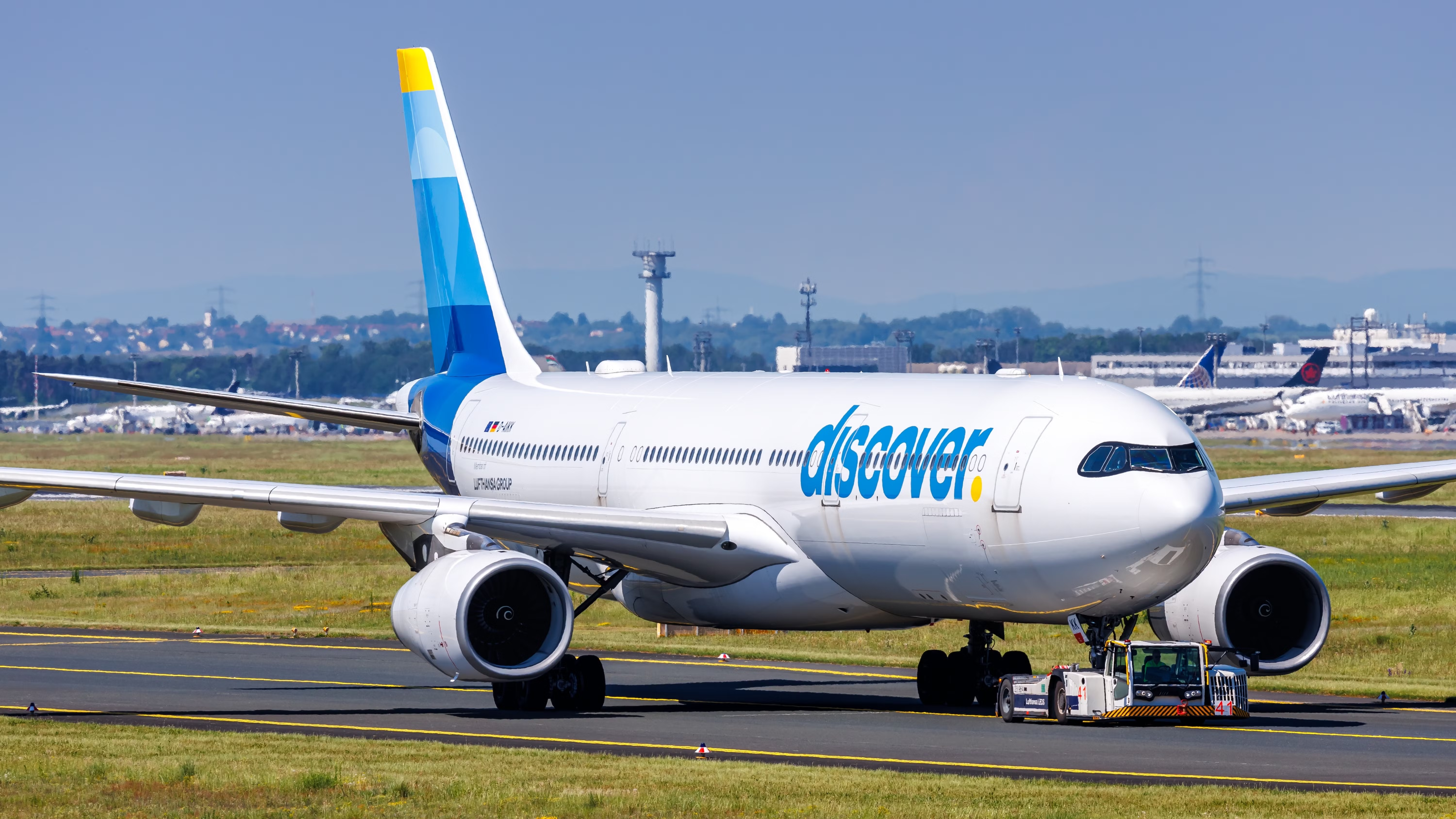
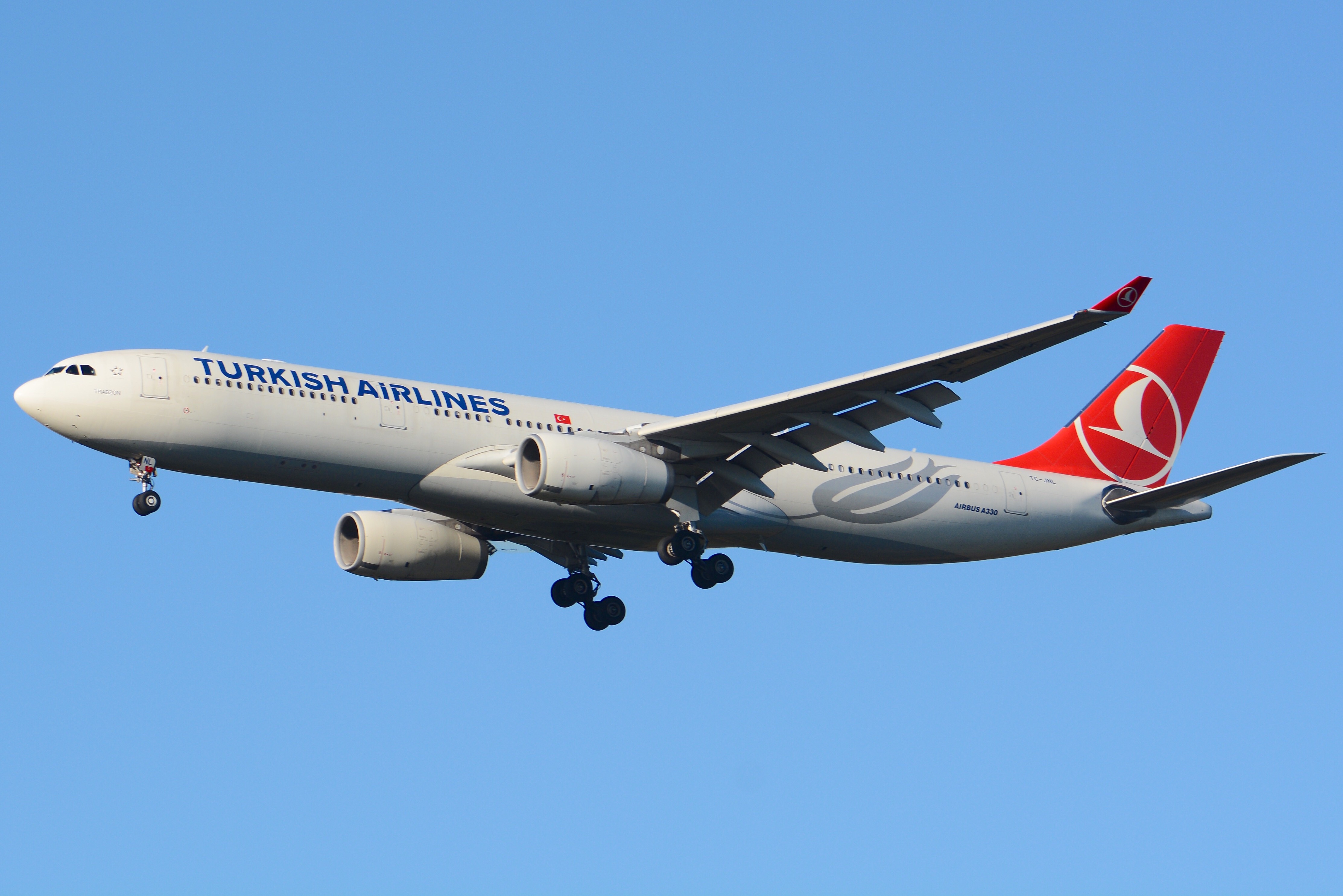
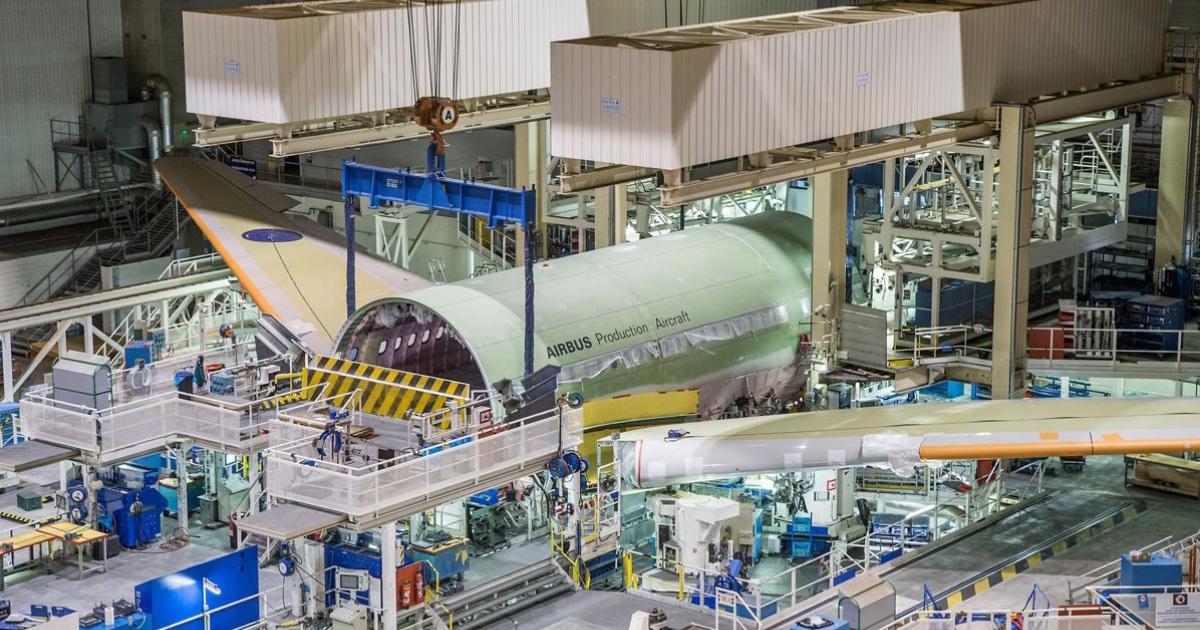
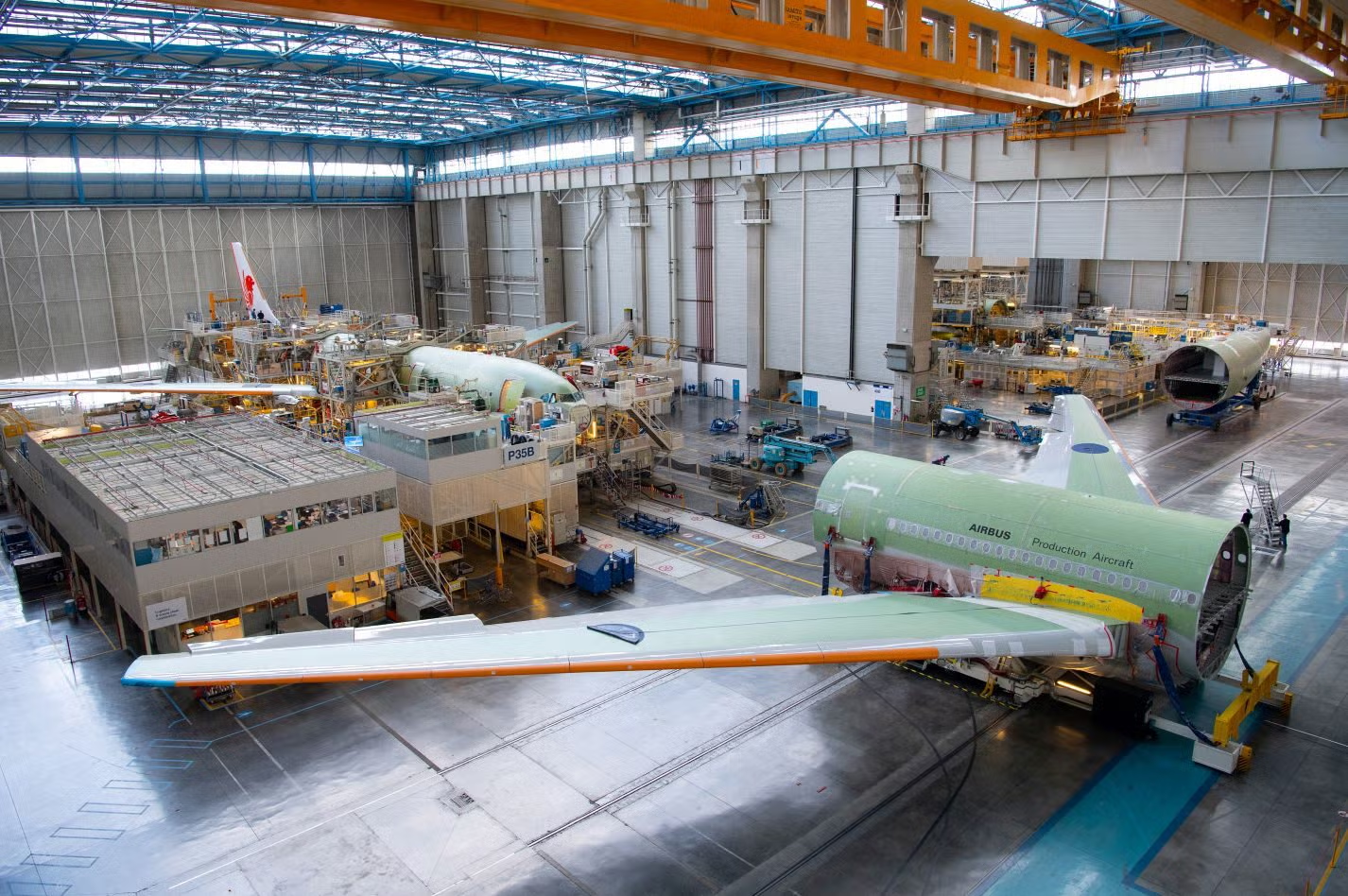
The Airbus A330 is an incredibly versatile and successful
medium-to-long-range,
twin-engine wide-body airliner that has
served as a workhorse for airlines worldwide since its introduction
in the mid-1990s.
Initially developed alongside the
four-engine A340, the A330 was designed with an identical wing and
fuselage structure,
allowing for commonality in pilot training
and maintenance—a major selling point for airlines.
The
original versions, the long-range A330-200 and the higher-capacity
A330-300, are now referred to as the A330ceo ("Current Engine
Option").
This aircraft is praised for its efficiency and
comfort, leading to its deployment on everything from short regional
flights to transcontinental routes.
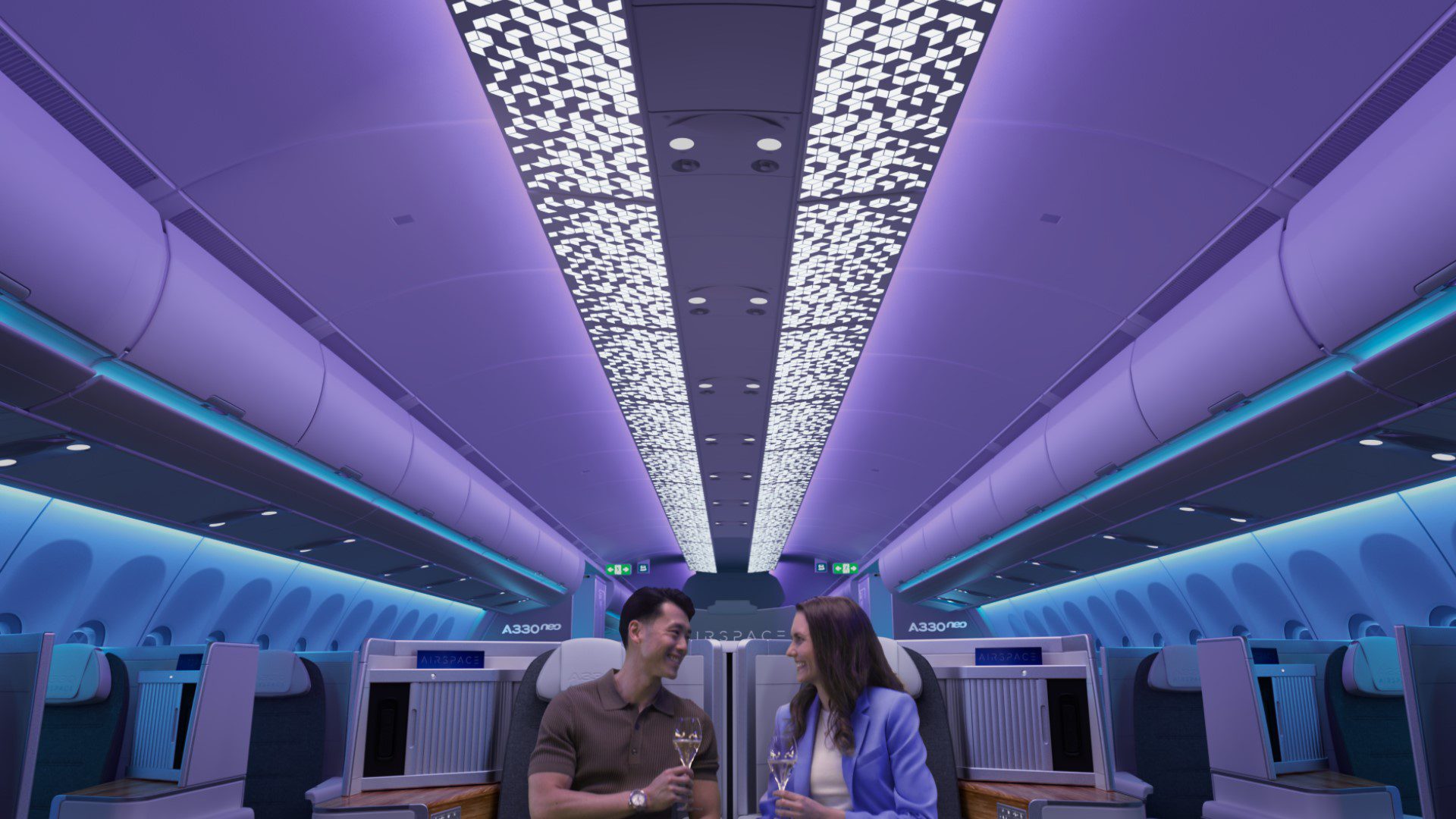
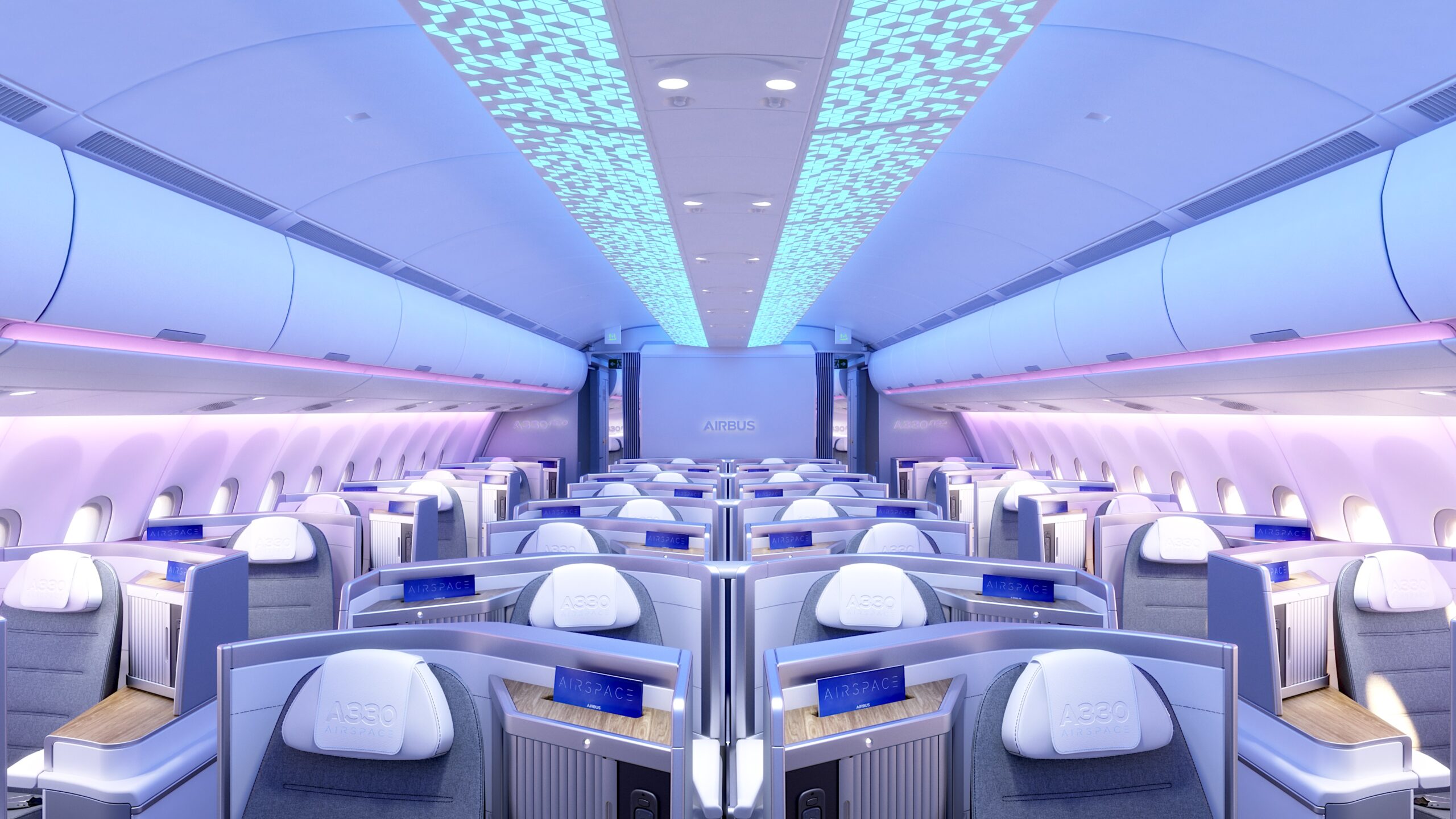
Airbus significantly
modernized the family with the launch of the A330neo ("New Engine
Option"),
featuring new Rolls-Royce Trent 7000 engines,
aerodynamic enhancements like A350-style wingtips, and the
comfortable Airspace cabin.
The A330neo variants (A330-800 and
A330-900) offer a double-digit reduction in fuel consumption
and CO₂ emissions, ensuring the A330 remains highly
competitive in the mid-sized widebody market.
A340 Family
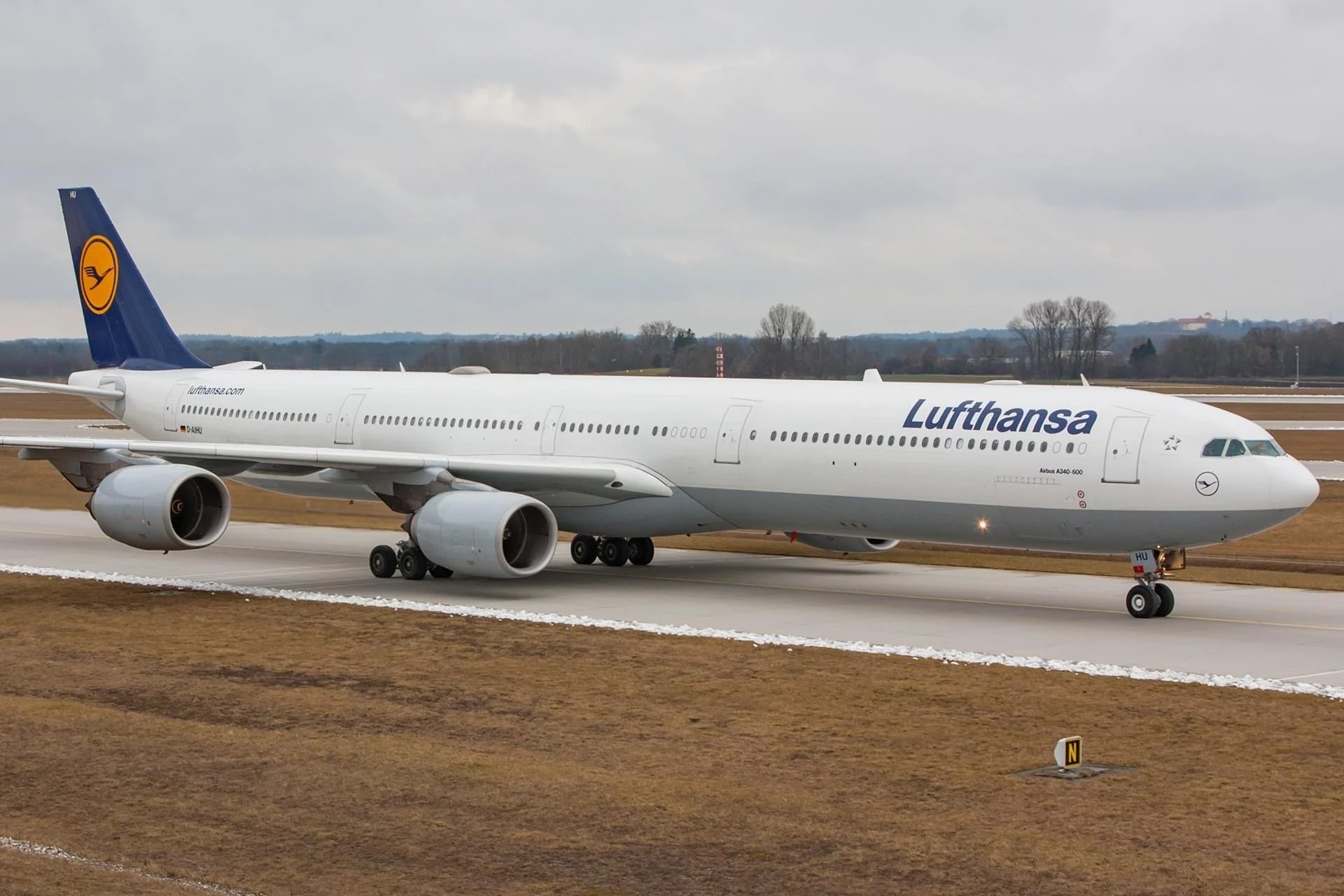
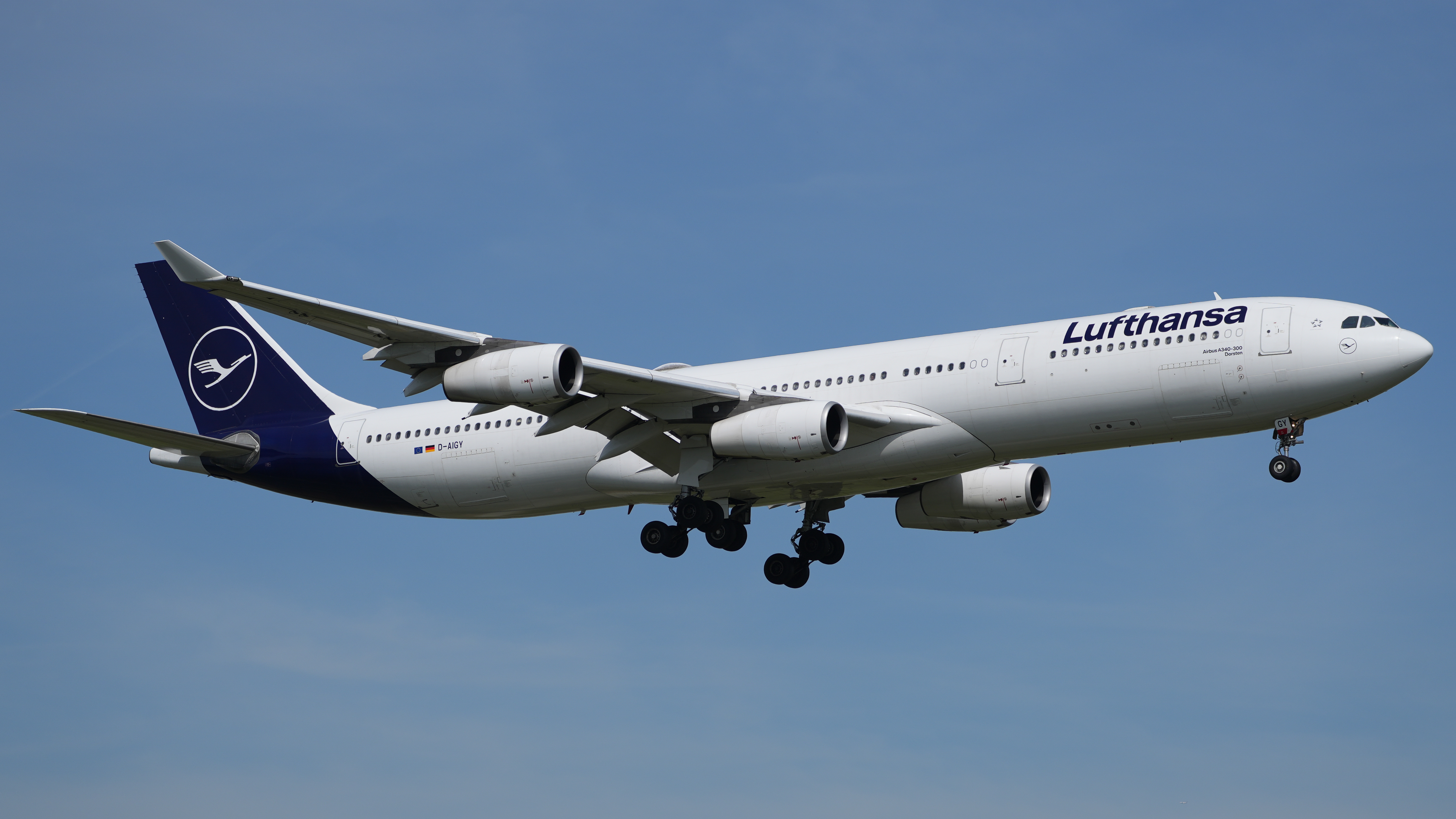
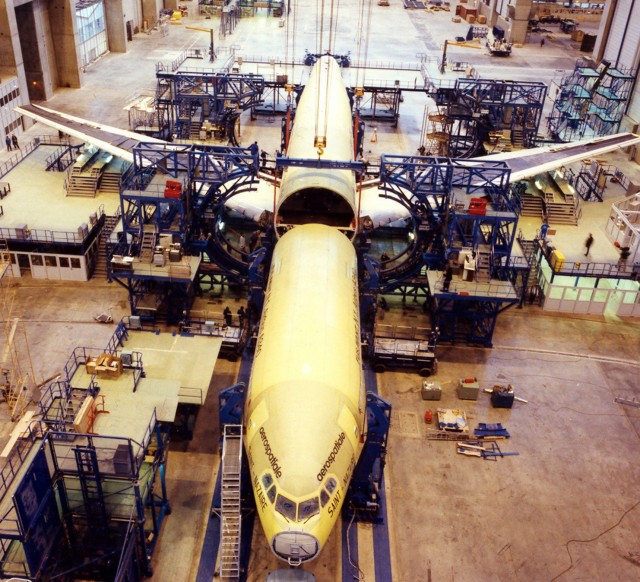
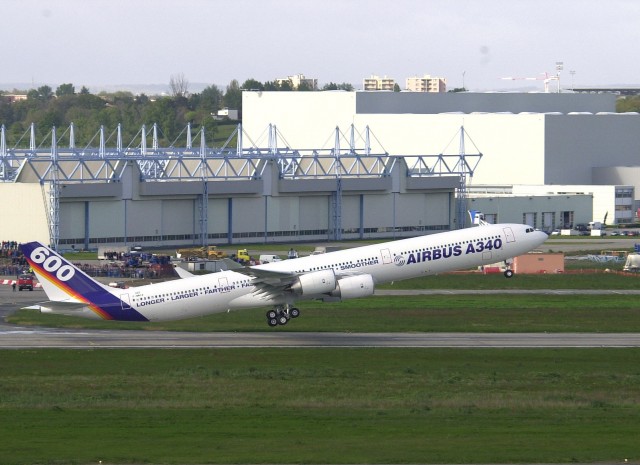
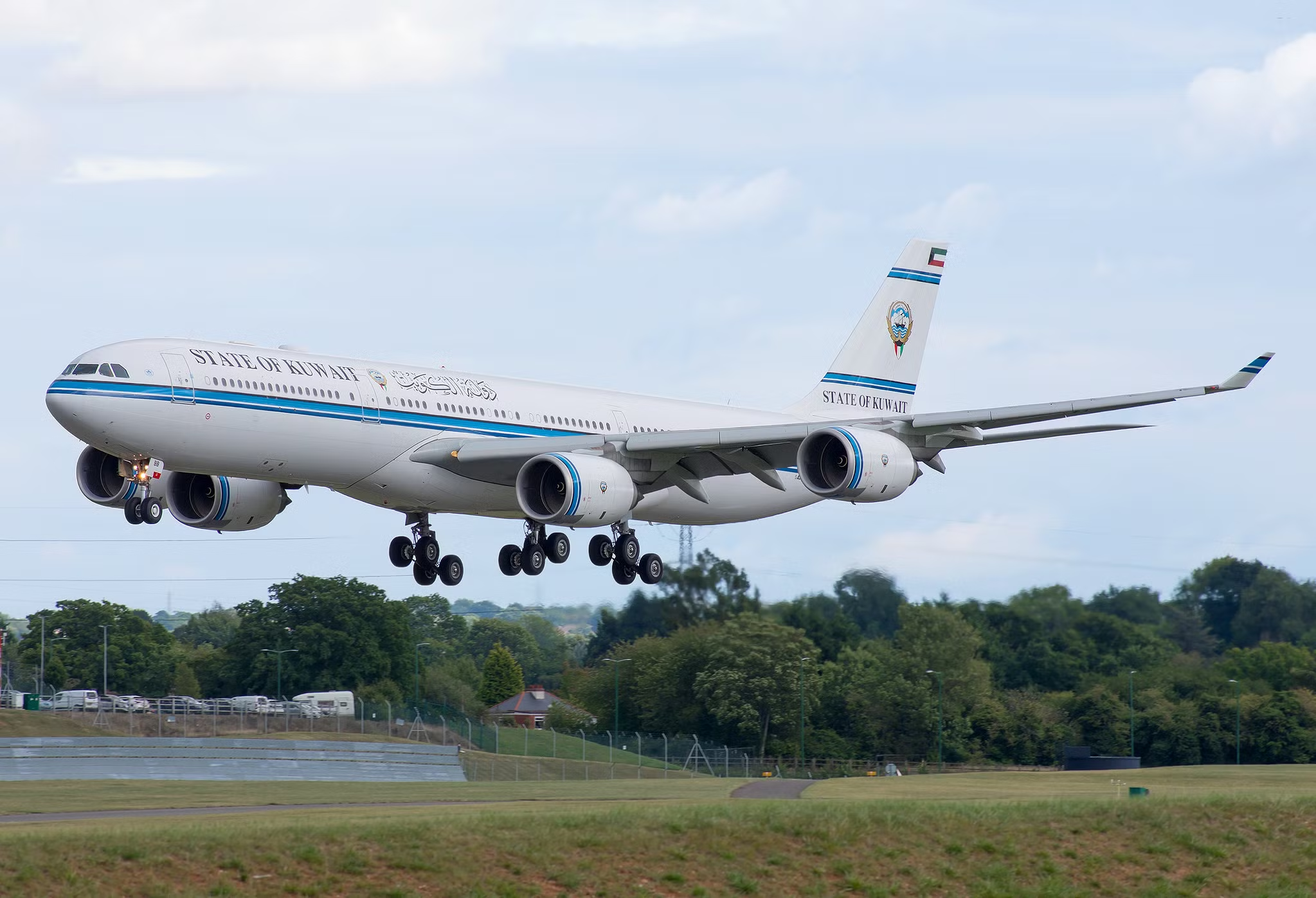
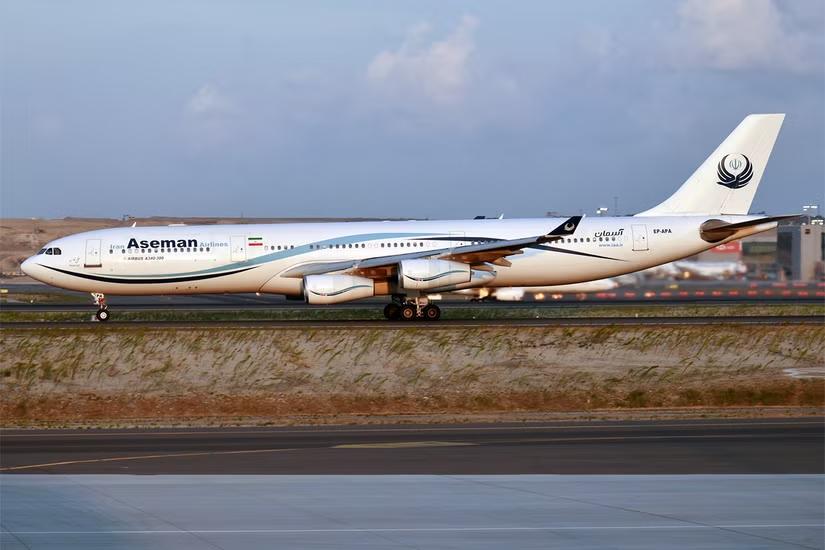
The Airbus A340 is a long-range, four-engine, wide-body commercial
airliner that holds
a significant place in aviation history as
Airbus's first dedicated long-haul aircraft.
Launched in
tandem with the twin-engine A330, the A340 was designed to service
ultra-long-haul routes
that required four engines for
regulatory redundancy
(avoiding early ETOPS restrictions on
twinjets) and to provide a more efficient alternative to the
Boeing 747 on routes where a very high capacity was not
needed.
The family includes the shorter, ultra-long-range
A340-500 which once held the record for the world's longest
commercial flight,
and the stretched A340-600, which was, for
a time, the longest passenger aircraft ever built.
Despite
being a favourite among many airlines for its range and passenger
comfort,
its production ceased in 2011 as advances in engine
technology made the modern twin-engine aircraft,
like the
Boeing 777 and Airbus A350, significantly more fuel-efficient and
commercially viable.
A350 Family
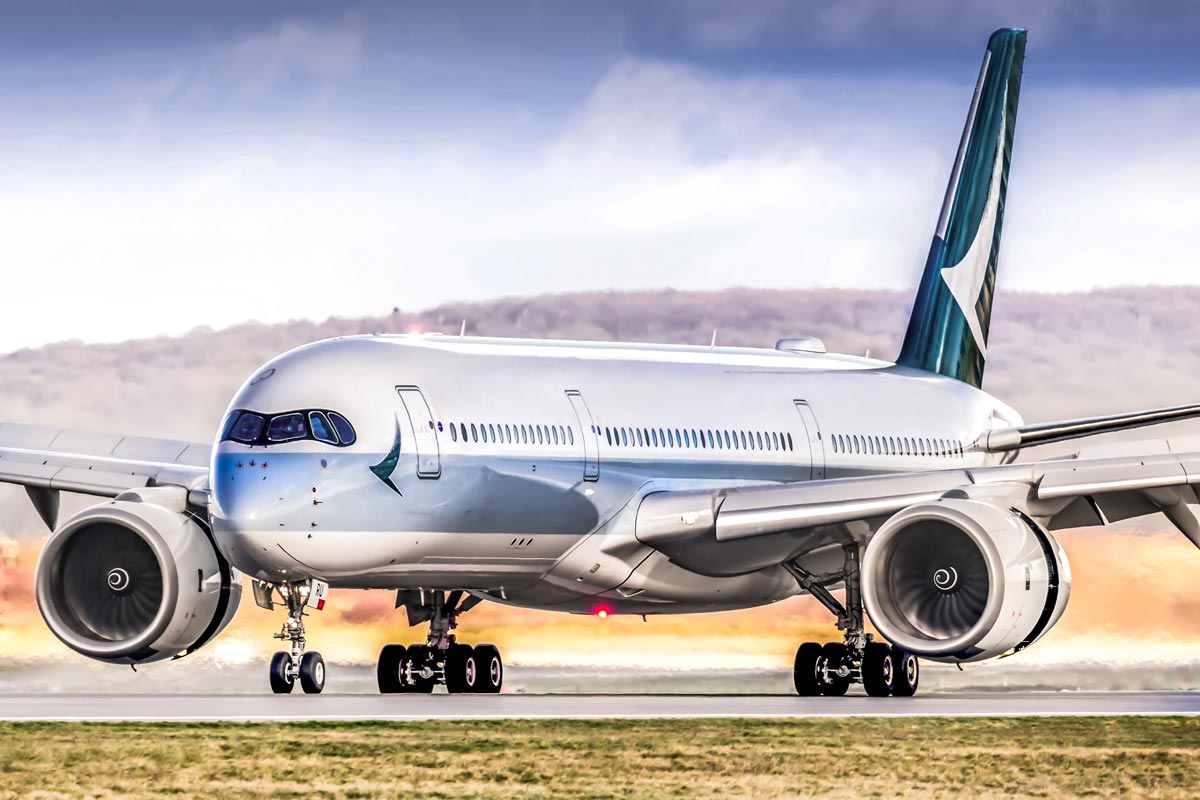
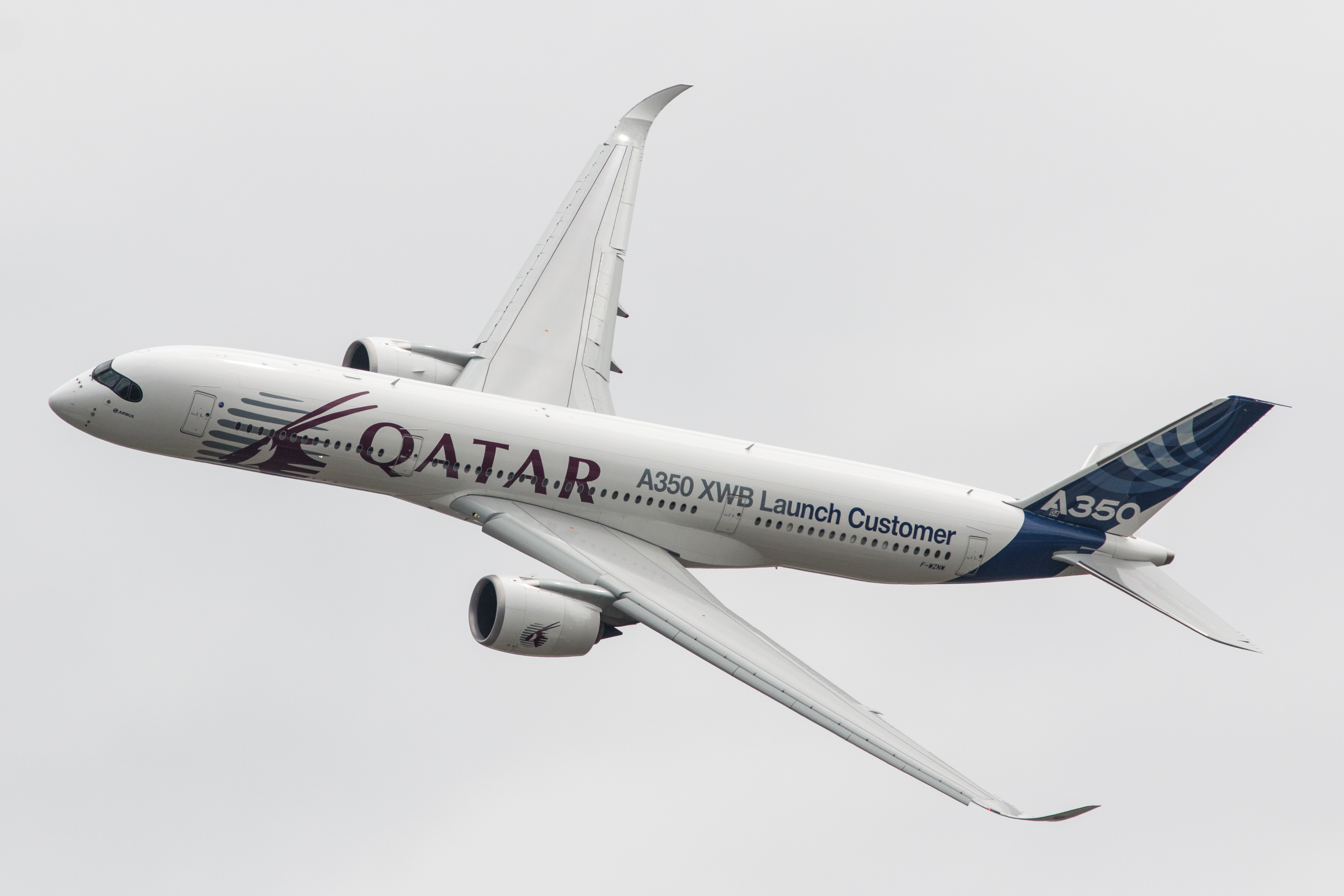
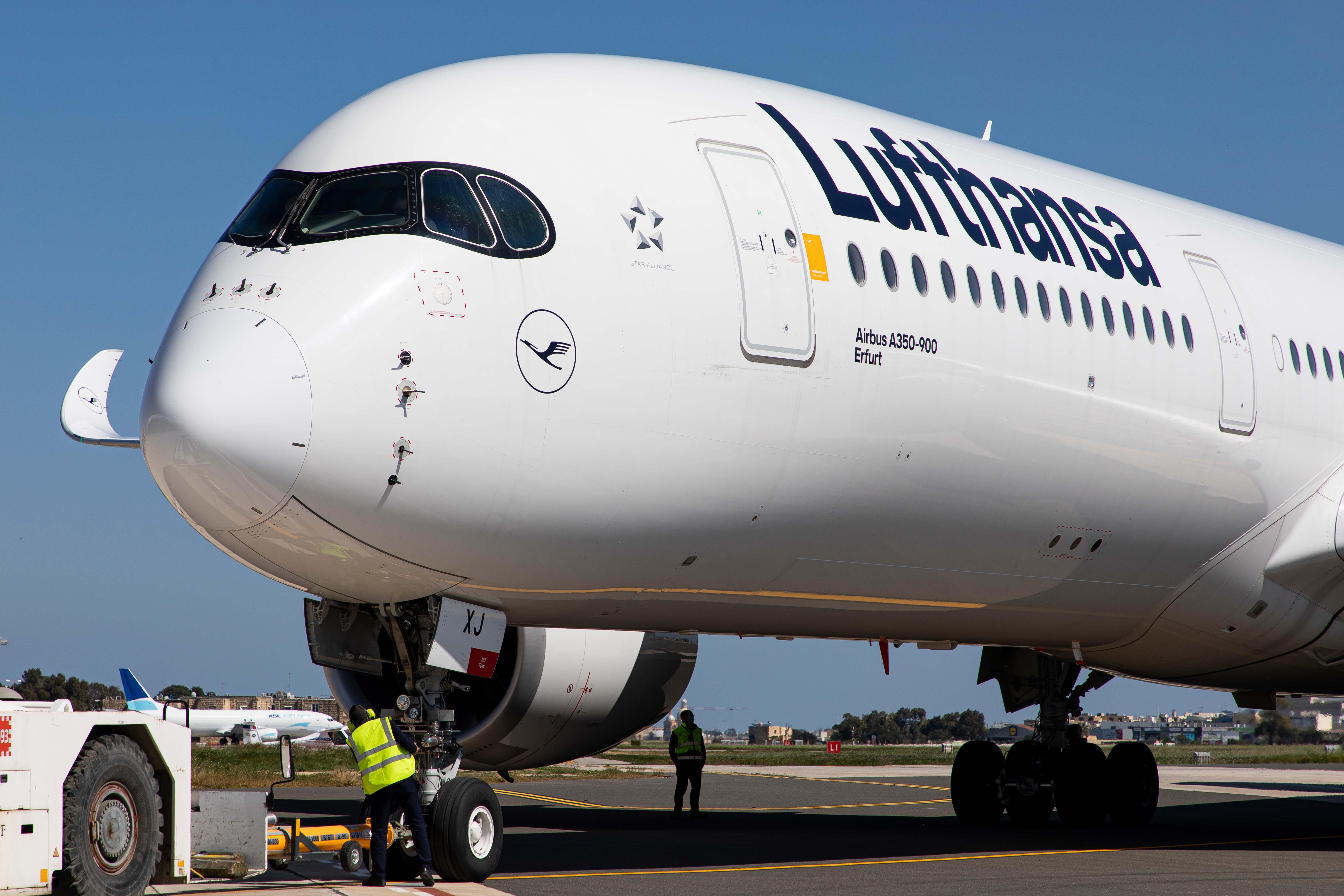
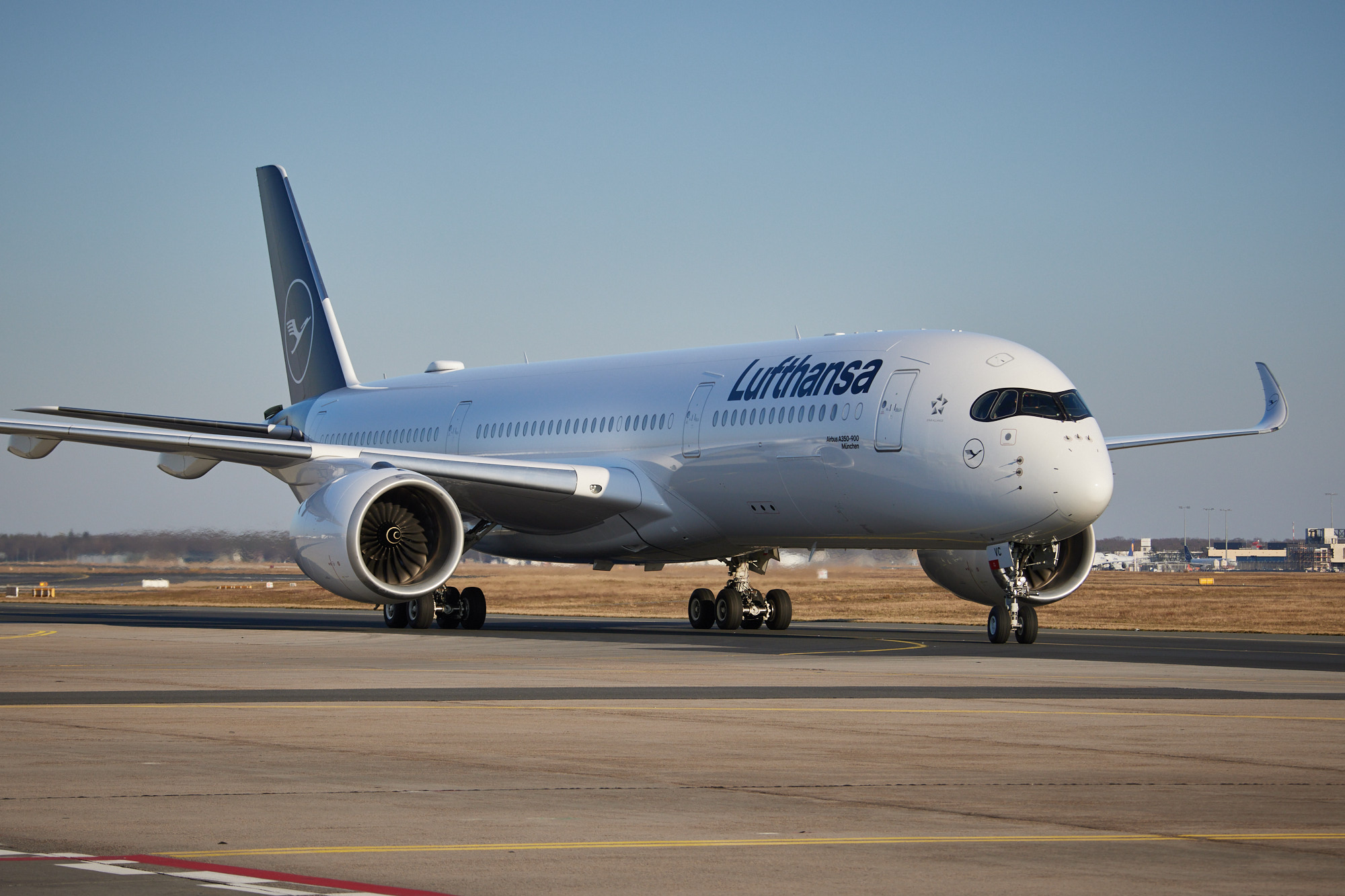
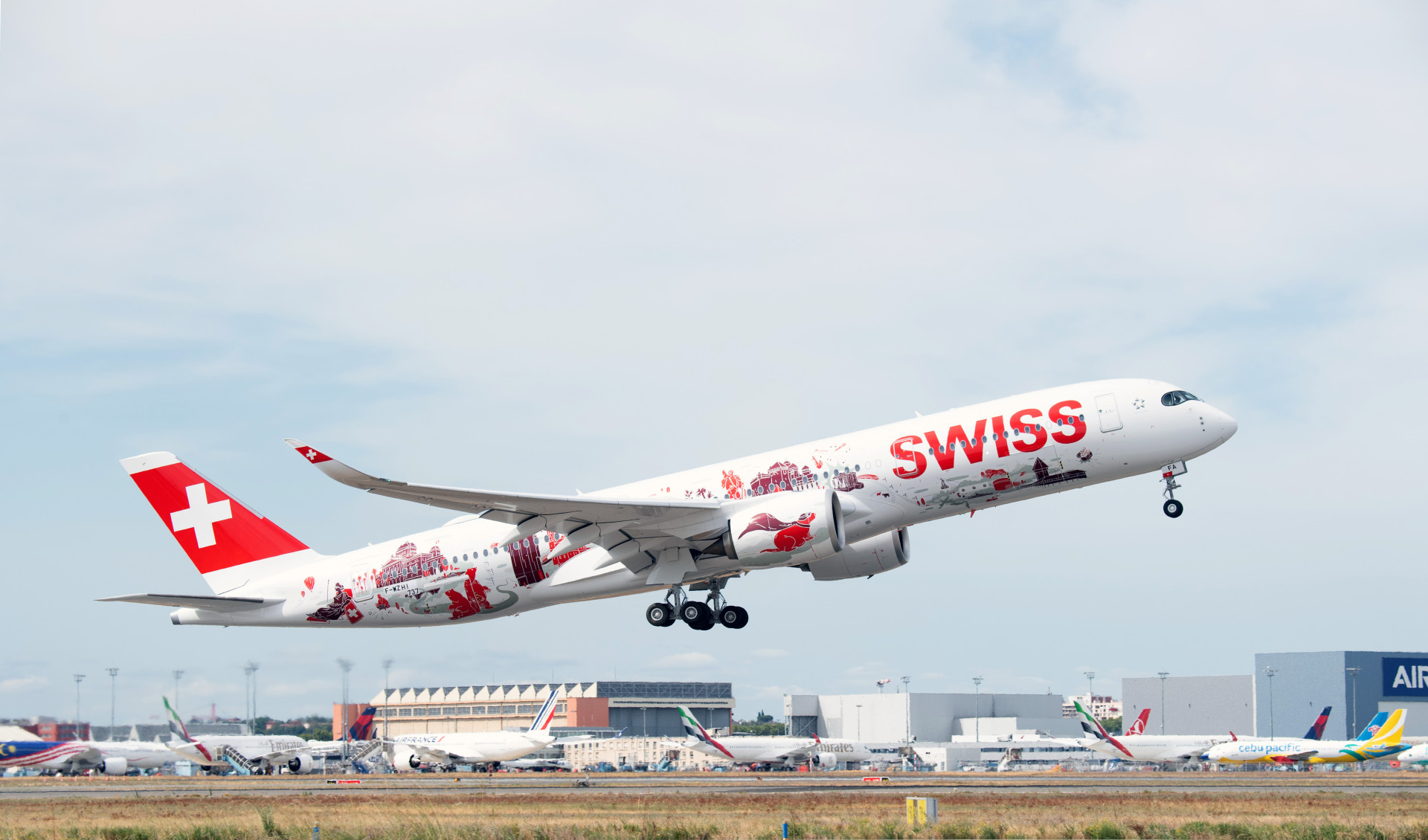
The Airbus A350 XWB (eXtra Wide Body) is a state-of-the-art,
long-range, twin-engine wide-body jet airliner designed
to
compete directly with the Boeing 787 Dreamliner and the larger
Boeing 777.
The A350 represents a major leap in efficiency for
Airbus, being the first of their aircraft with
both the
fuselage and wing structures made primarily of
carbon-fiber-reinforced polymer (CFRP).
This advanced
composite material significantly reduces weight, leading to a 25%
reduction in fuel burn
and CO₂ emissions compared to
previous-generation aircraft.
A key feature for passengers is
the "Airspace" cabin, which is the quietest twin-aisle cabin in the
sky and
includes larger windows, LED mood lighting, and an
optimized cabin altitude for reduced jet lag.
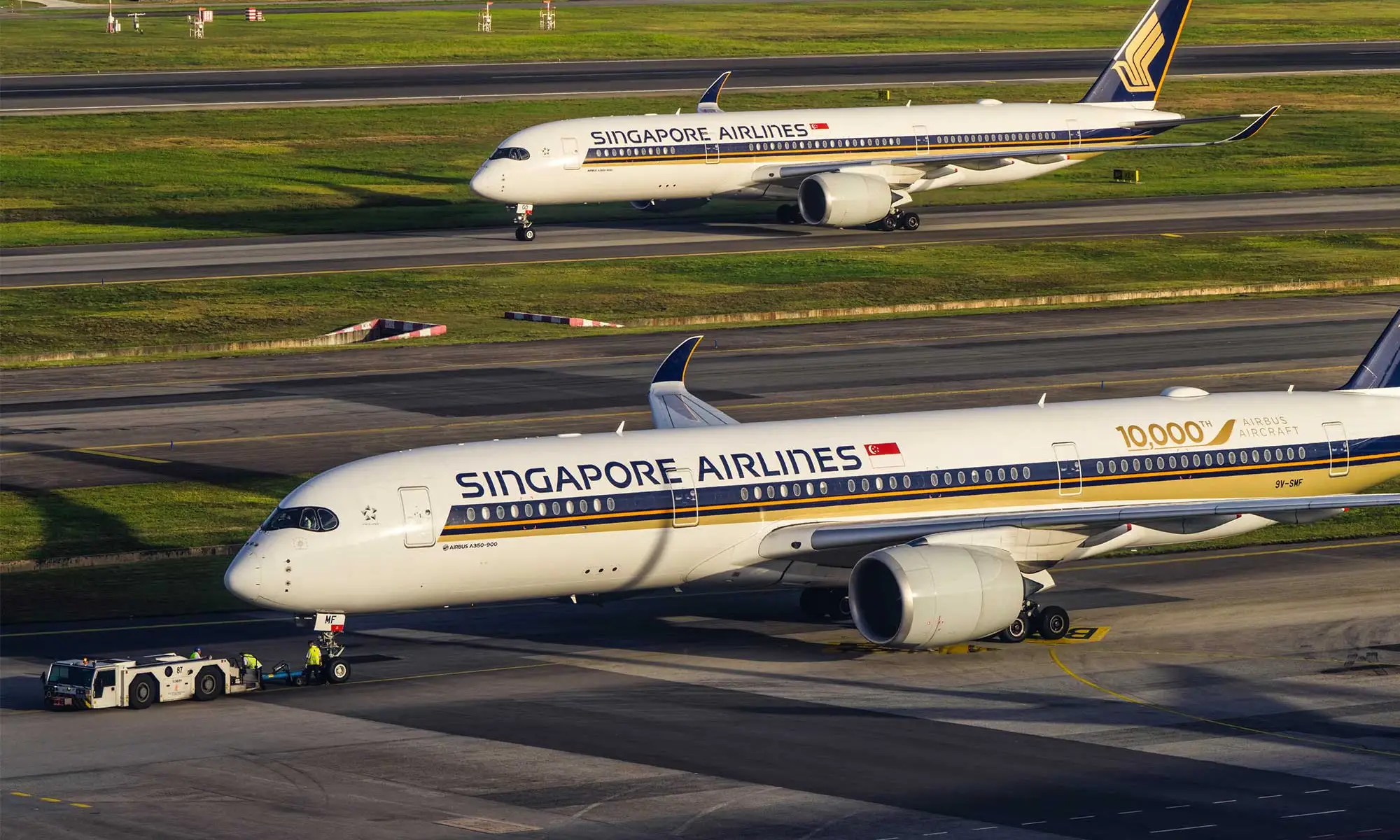
The A350 is a
popular choice for major flag carriers, often operating some of the
world's longest non-stop flights,
such as the famous Singapore
Airlines route from Singapore to New York.
A380
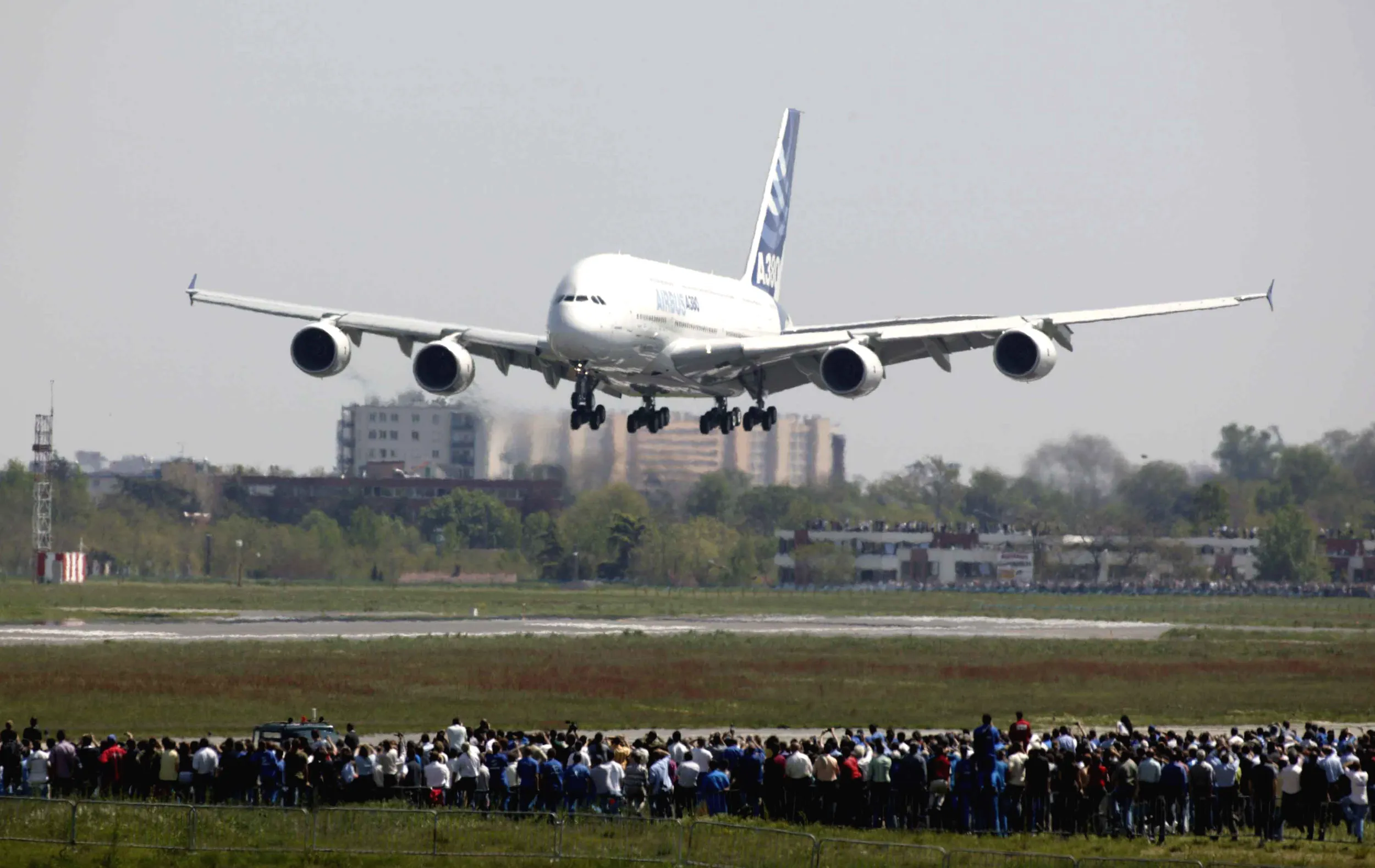
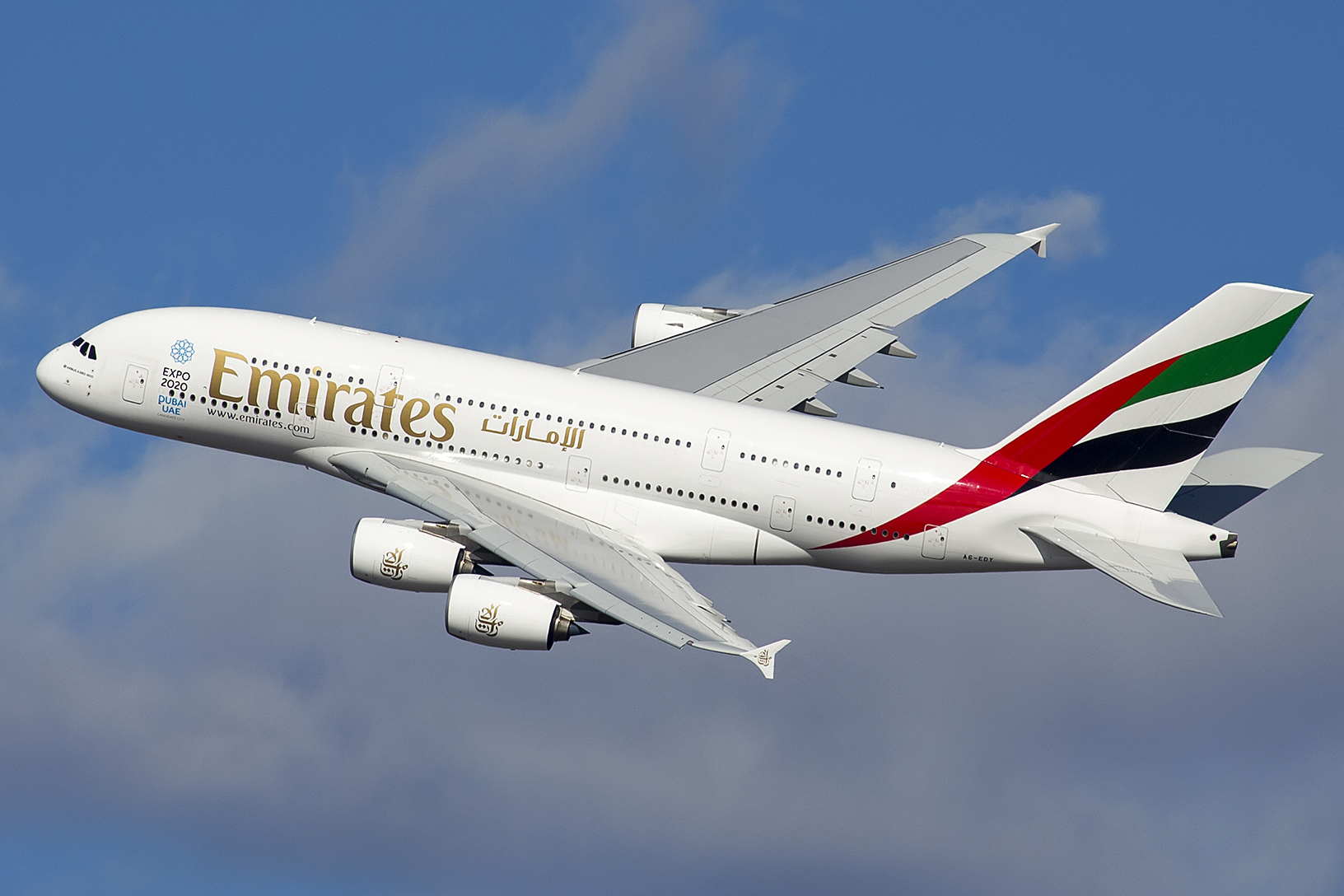
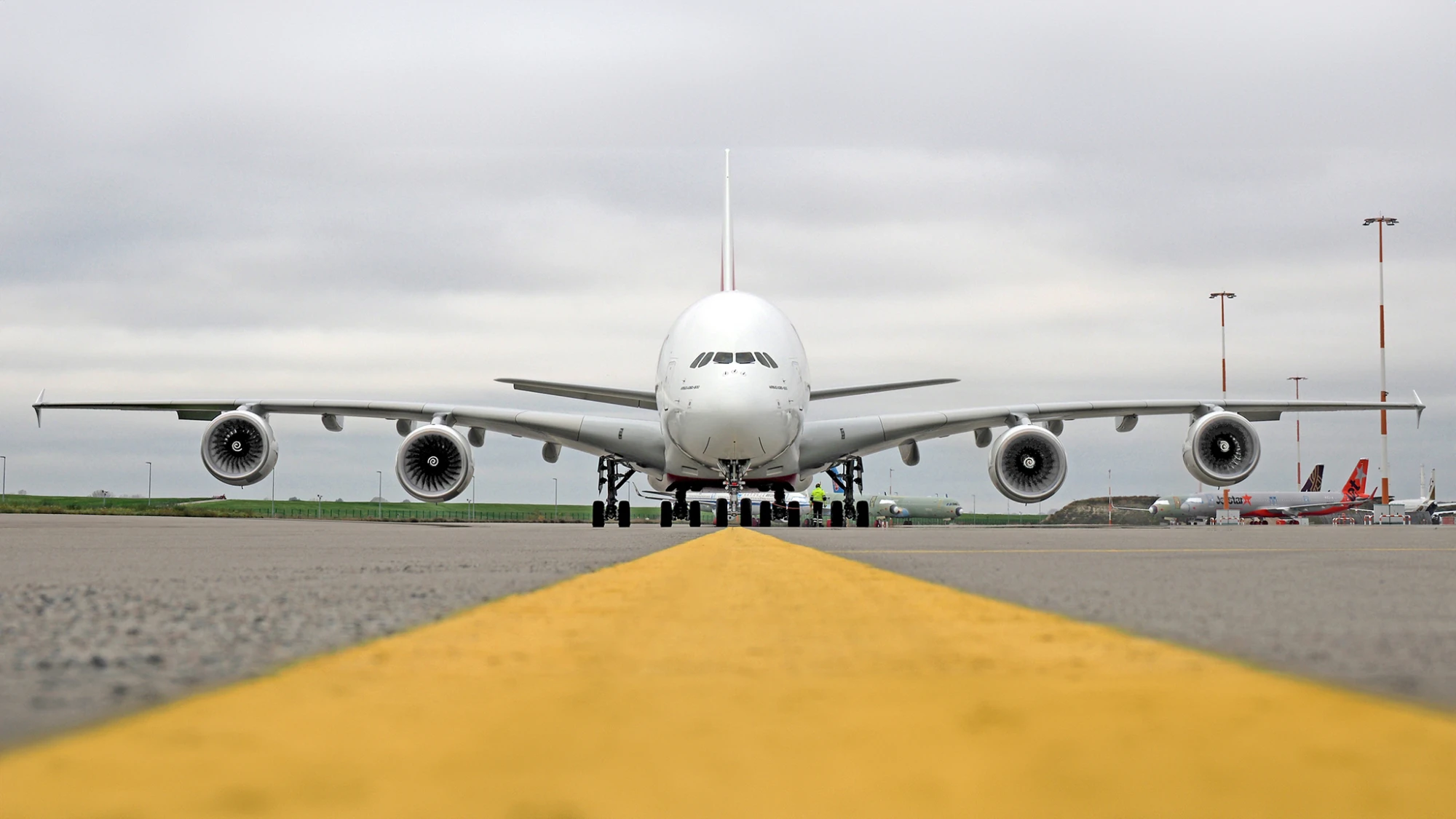
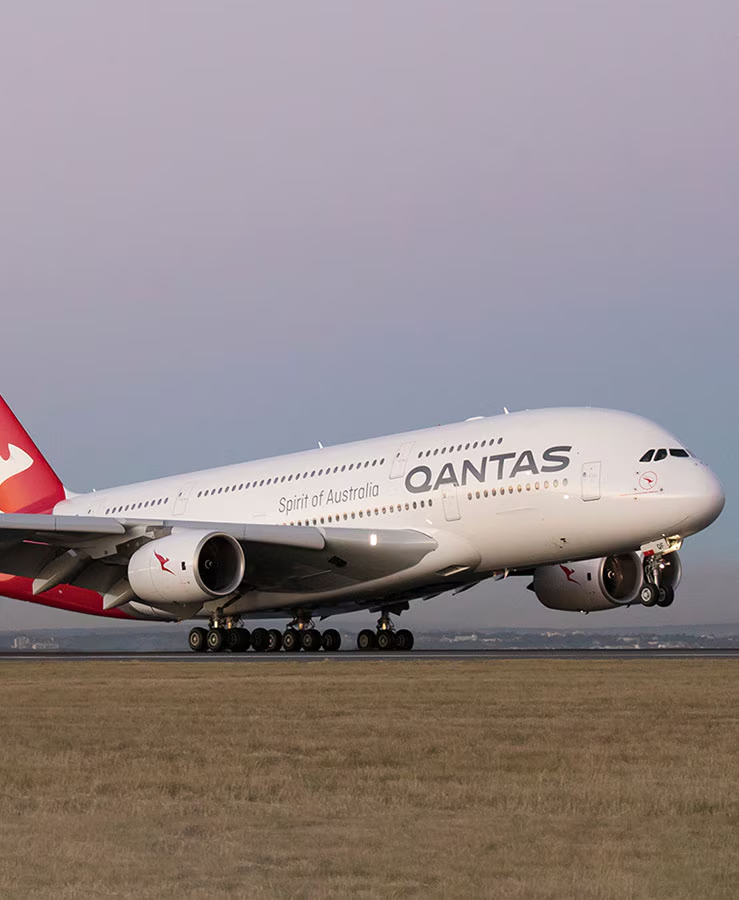
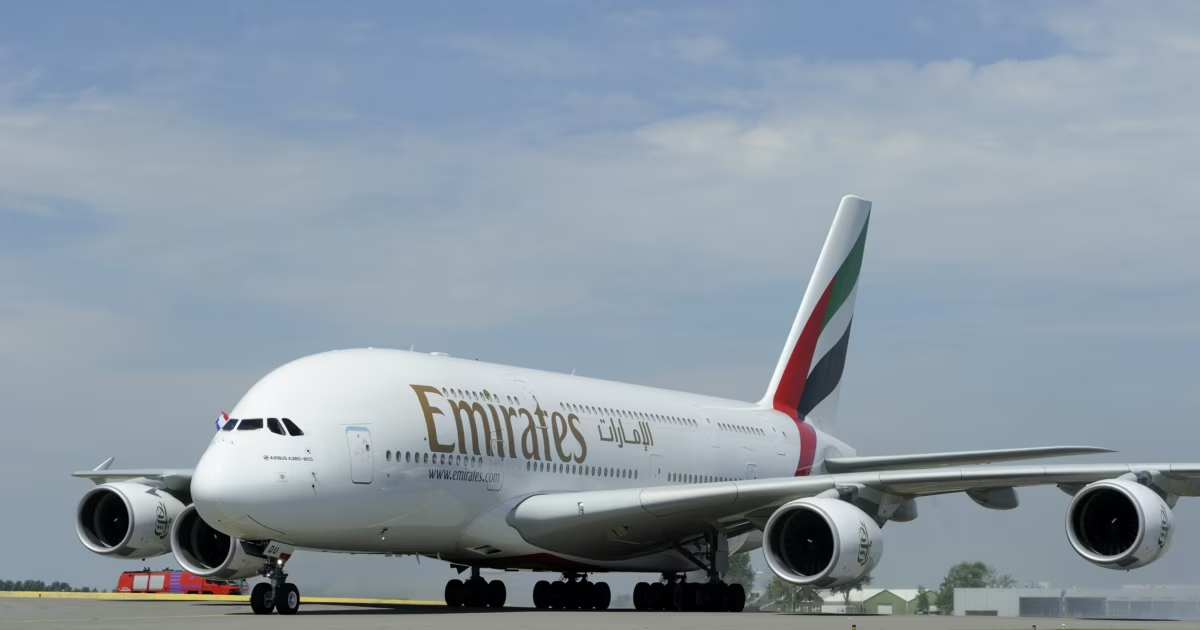
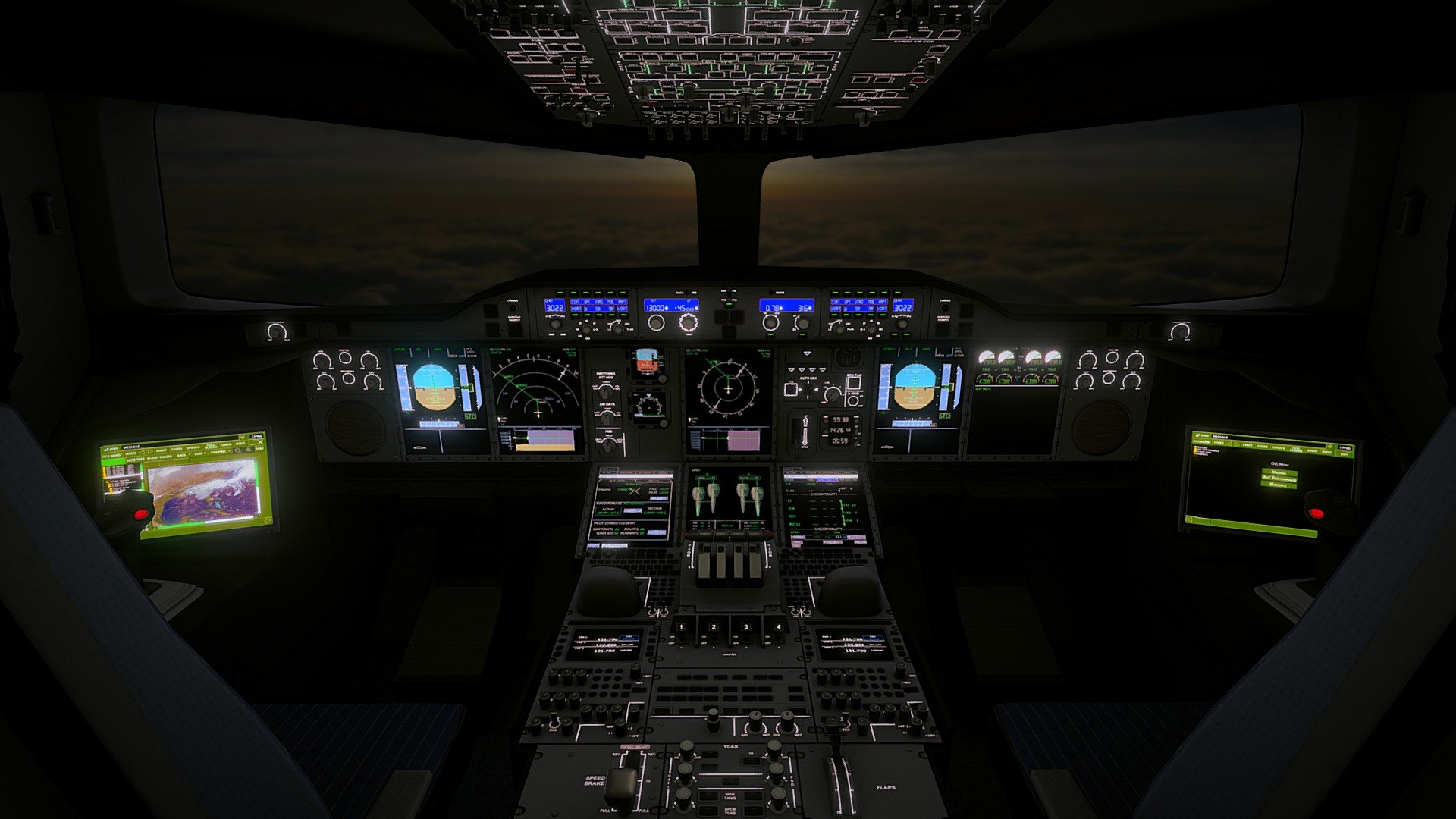
The Airbus A380 is the world's largest passenger airliner and the
only commercial aircraft to feature two complete full-length decks,
a design choice that gives it a standard seating capacity of
over 500 passengers and a maximum certified capacity of up to 853.
Developed to challenge the dominance of the Boeing 747 in the
long-haul, high-capacity market,
the "Superjumbo" made its
maiden commercial flight with Singapore Airlines in 2007.
Its
massive size and four powerful engines (Engine Alliance GP7200 or
Rolls-Royce Trent 900)
enable it to fly vast distances, with a range of approximately 8,000
nautical miles.
A hallmark of the A380 is its unprecedented
passenger amenities, which, on some carriers like
Emirates (its largest operator), include onboard bars, lounges, and
even First Class shower suites.
Despite being a favourite among passengers for its quiet and
spacious cabin, the aircraft's high operating costs and a global
shift by airlines toward smaller,
more fuel-efficient
twin-engine jets ultimately led Airbus to cease production in 2021.
Beluga
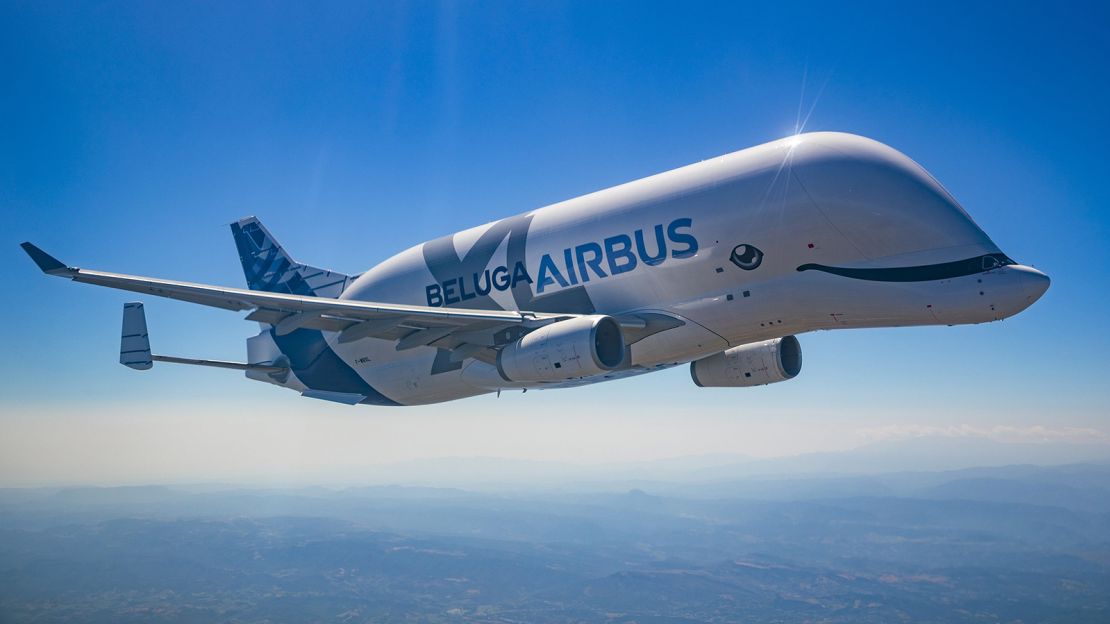
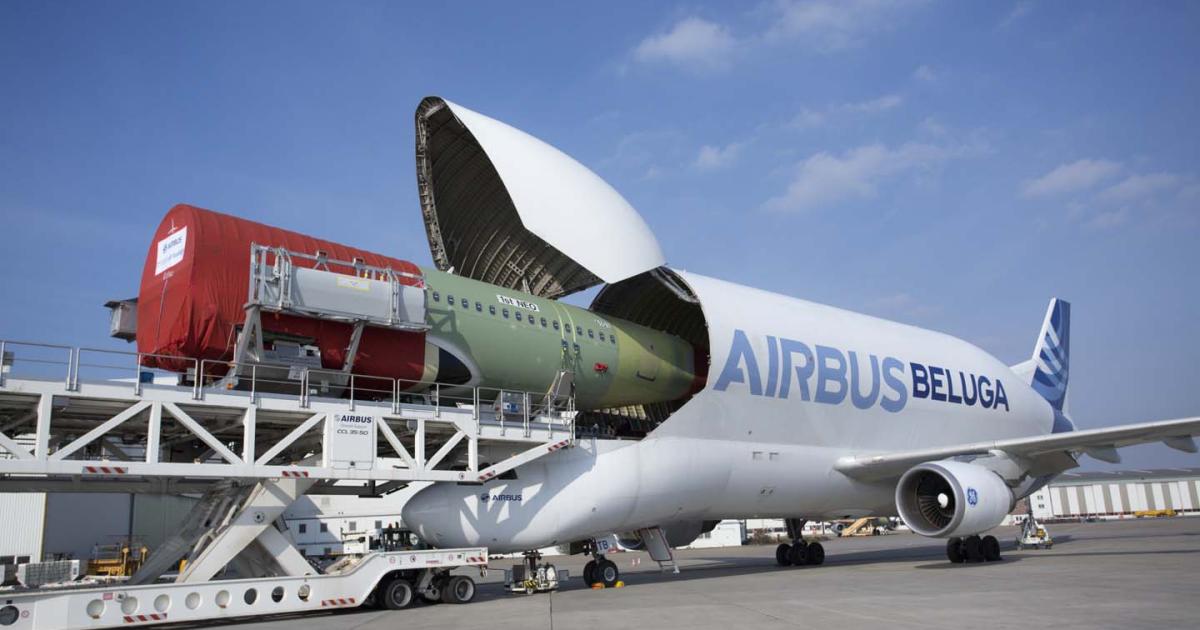

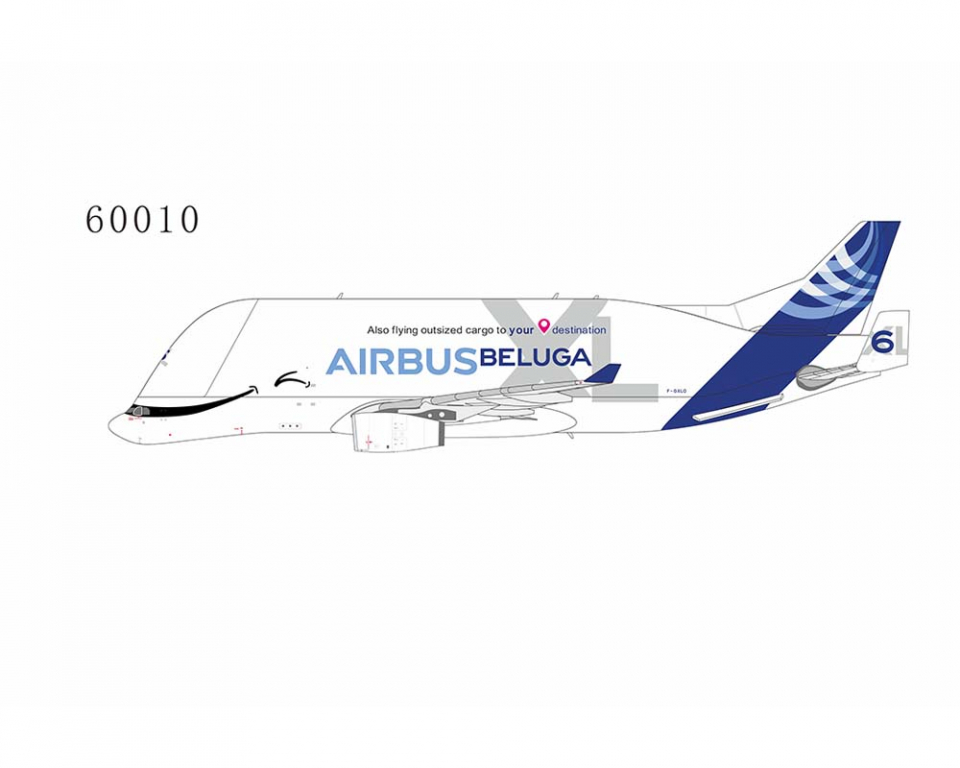
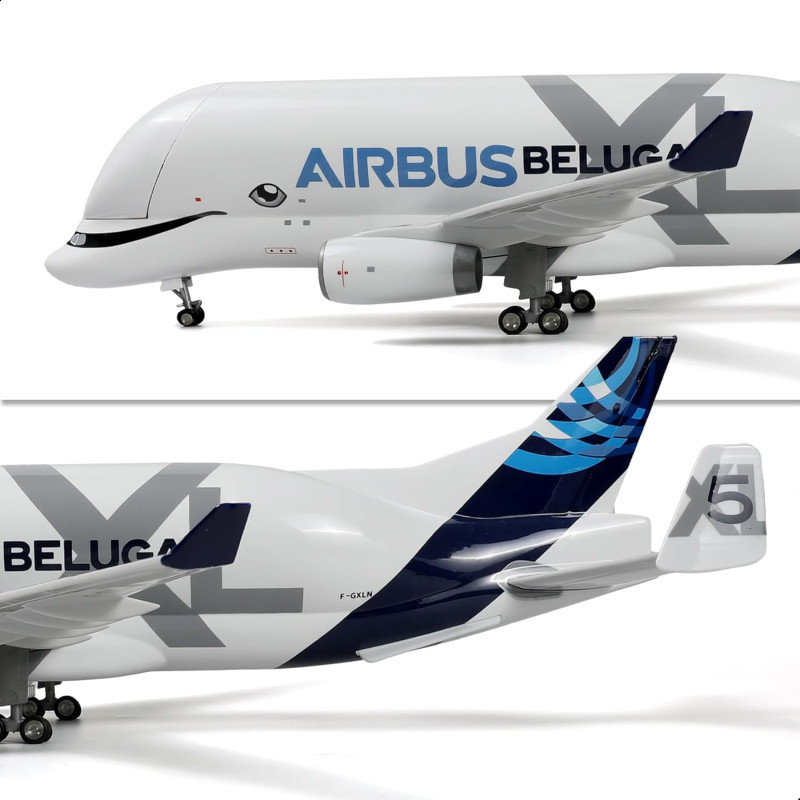
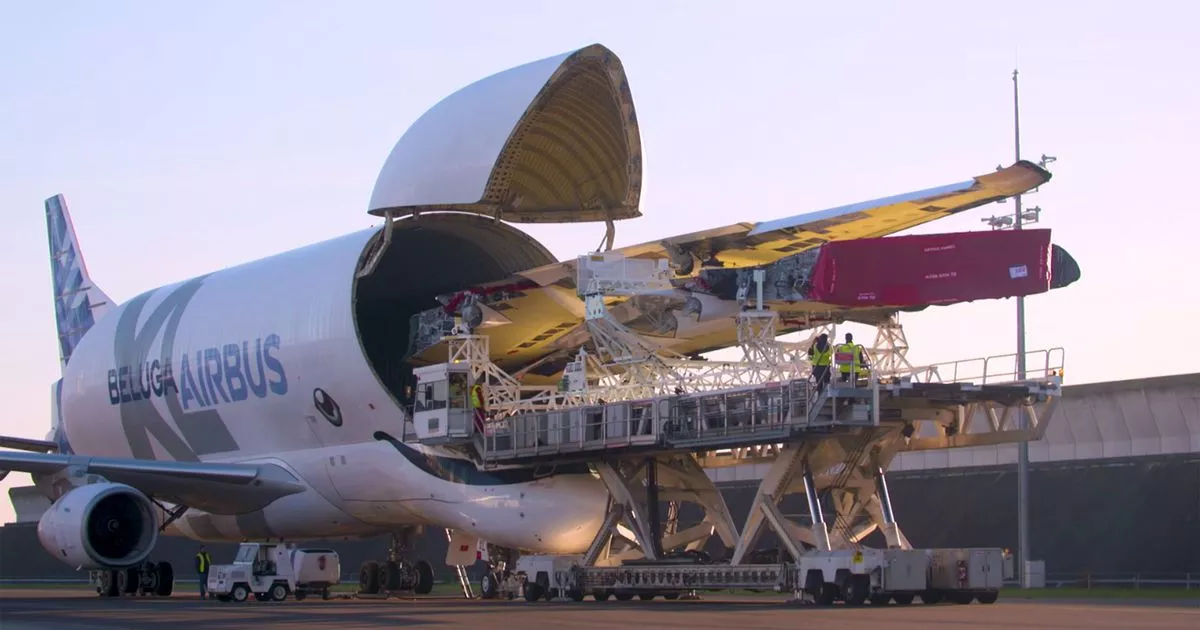
Finally, the unique and highly specialized aircraft: the
Airbus BelugaXL (and its predecessor the BelugaST).
These are
built not primarily for airline passenger service, but to transport
oversized aircraft components—
such as huge wing sections or
fuselage parts—between Airbus production sites.
Key stats: The
BelugaXL fleet consists of six aircraft (as of June 2024, the last
of those six entered service).
It offers 30% more payload
capacity than its predecessor, and is designed specifically to carry
extremely large cargo
(for example two 30-metre wings of the
A350).
In imagery: the “sky whale” of Airbus—fun shape,
serious engineering, essential to the Airbus industrial machine.
Airbus Aircraft Family Summary
| Family | Notable Models / Variants |
|---|---|
| A220 Family | A220-100, A220-300 |
| A300 Family | A300 (-600, -600ST Beluga) |
| A310 Family | A310 (-200, -300) |
| A318 | A318 (smallest A320-family member) |
| A319 | A319 (ceo & neo) |
| A320 Family | A320 (-100/-200), A320neo, A321, A321XLR |
| A330 Family | A330 (-200, -300), A330neo (-800, -900) |
| A340 Family | A340 (-200, -300, -500, -600) |
| A350 Family | A350-900, A350-1000 |
| A380 | A380 (world’s largest passenger aircraft) |
| Beluga | Beluga, Beluga XL |